
Abandoned Village V-QQ
Description
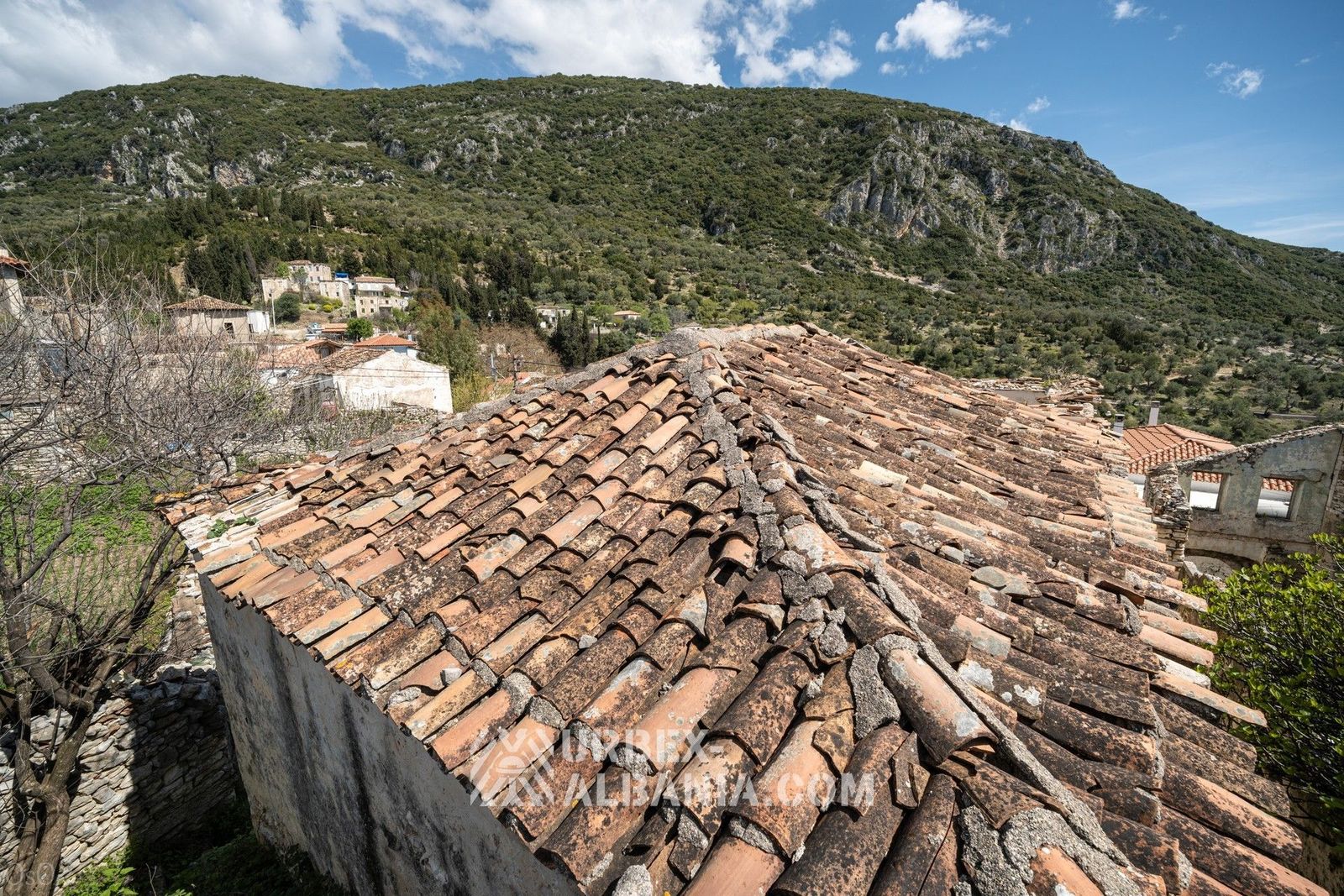
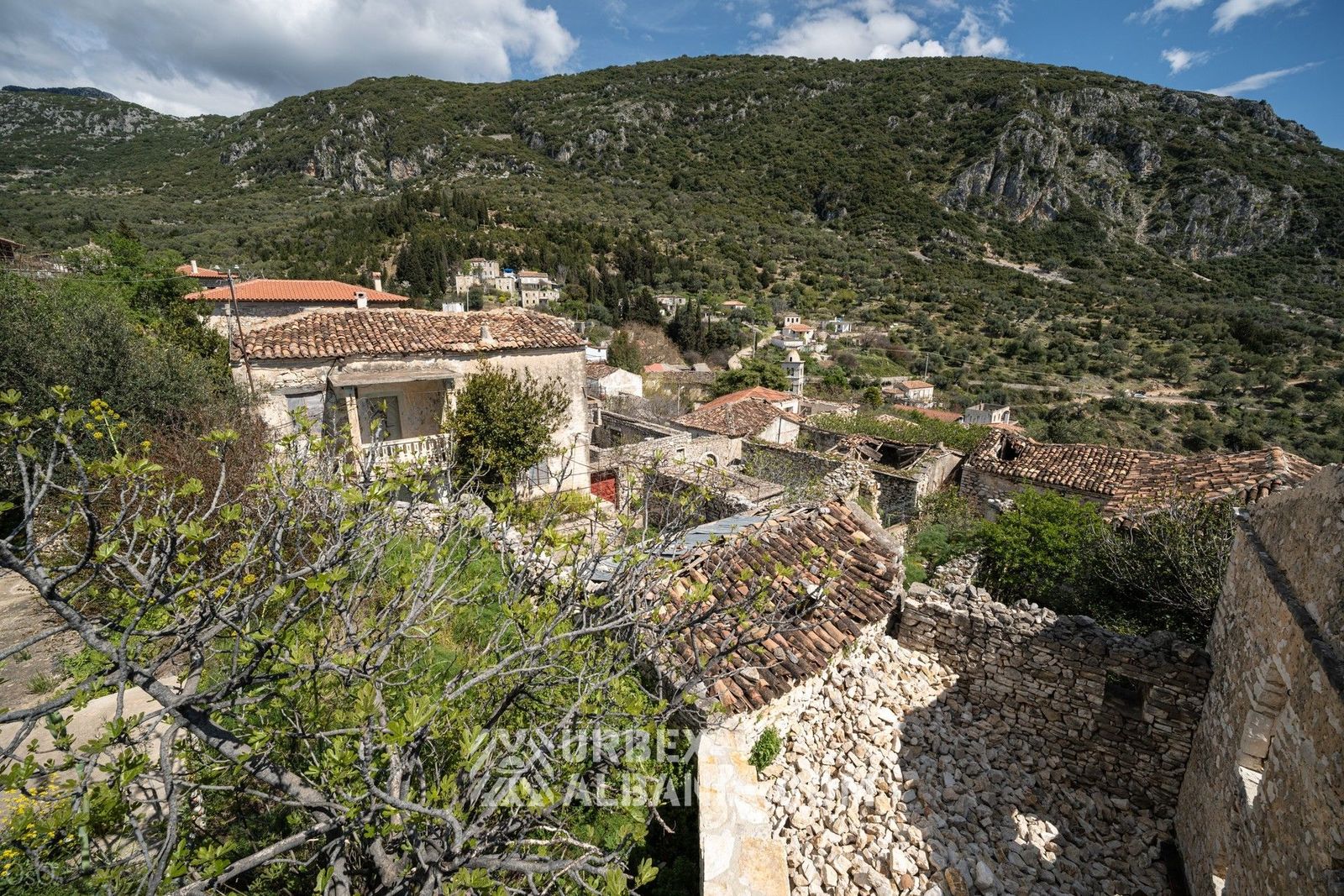
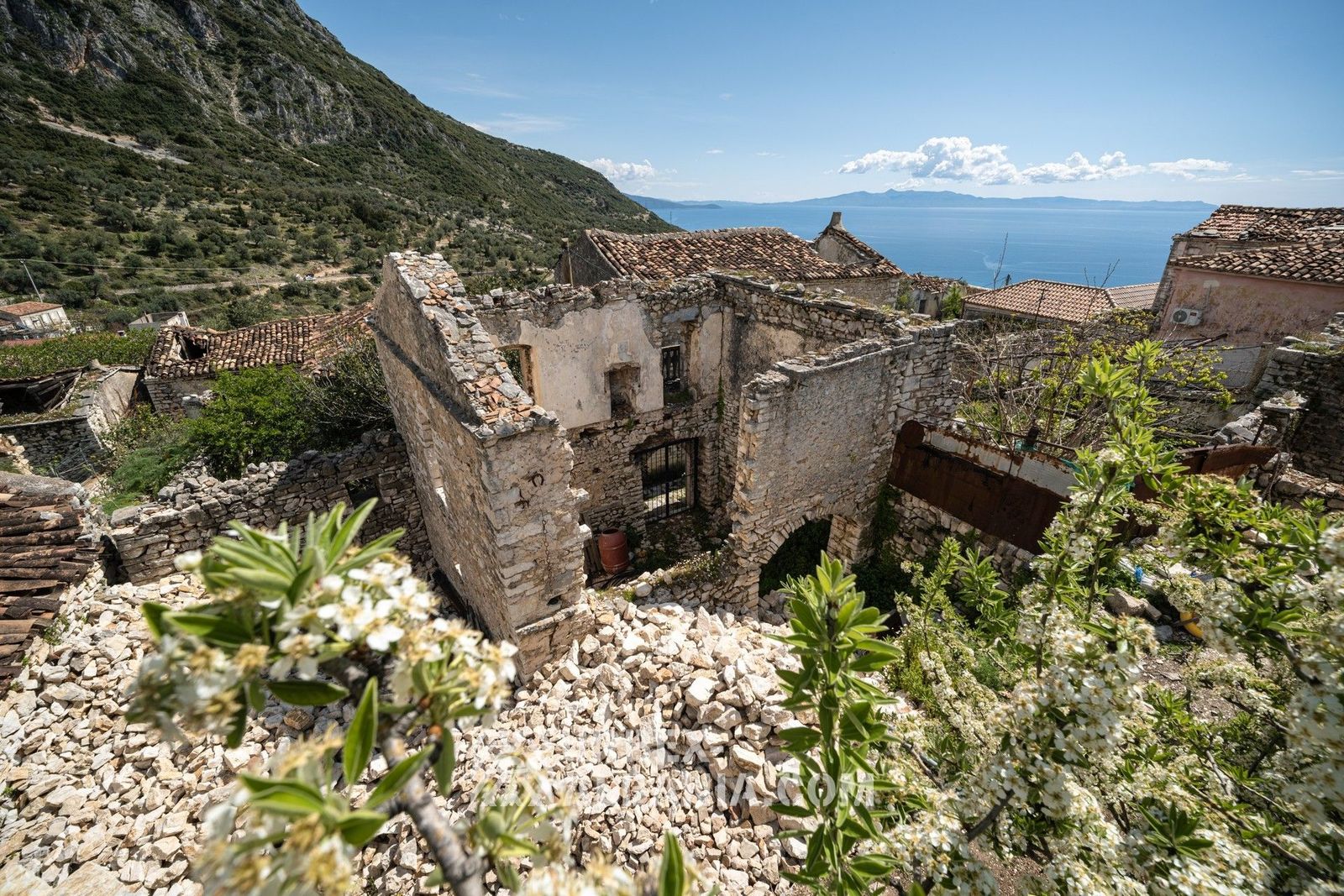
A sizeable and historically rich village that has been slowly fading for decades. The area has been inhabited for many centuries, though the surviving structures date to the Ottoman period. Located in southern Albania near the sea, the village sits on a fairly high hill. In the 18th and 19th centuries it had two Orthodox churches and three Greek-language schools. Until the mid-20th century, almost the entire population spoke Greek, even though the inhabitants were ethnically Albanian.
In 1957, the government of the People’s Republic of Albania built a main road along the coast, opening up new economic and social opportunities in the area. A freshwater canal constructed alongside the road gradually drew people down toward the sea, causing the village to split into two distinct parts: the old upper village and the new lower village. All public services and community life relocated to the lower section. With the end of the communist regime, around two-thirds of the population left altogether. Those who remained focused their energy on developing the lower village — building new homes and improving their quality of life.
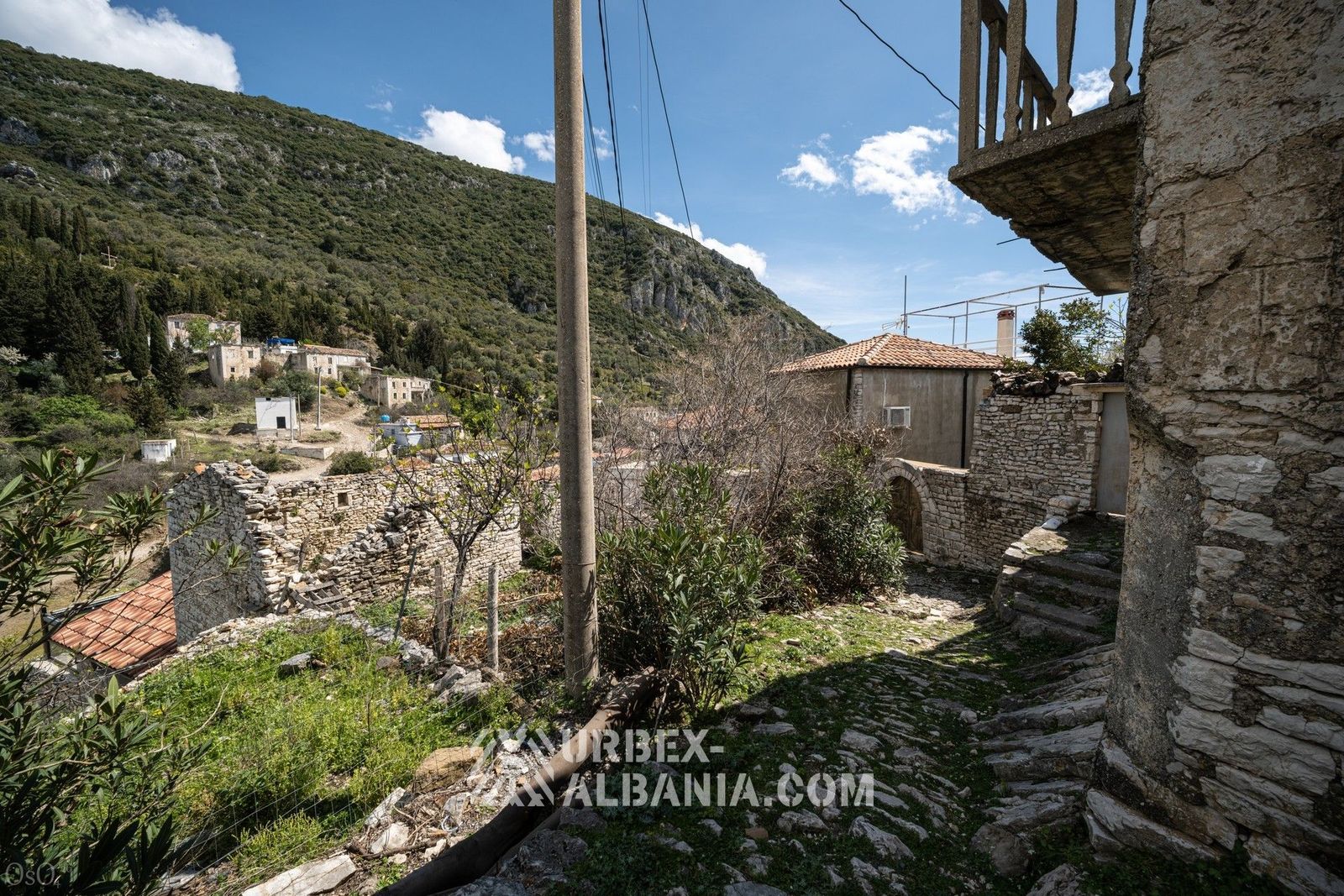
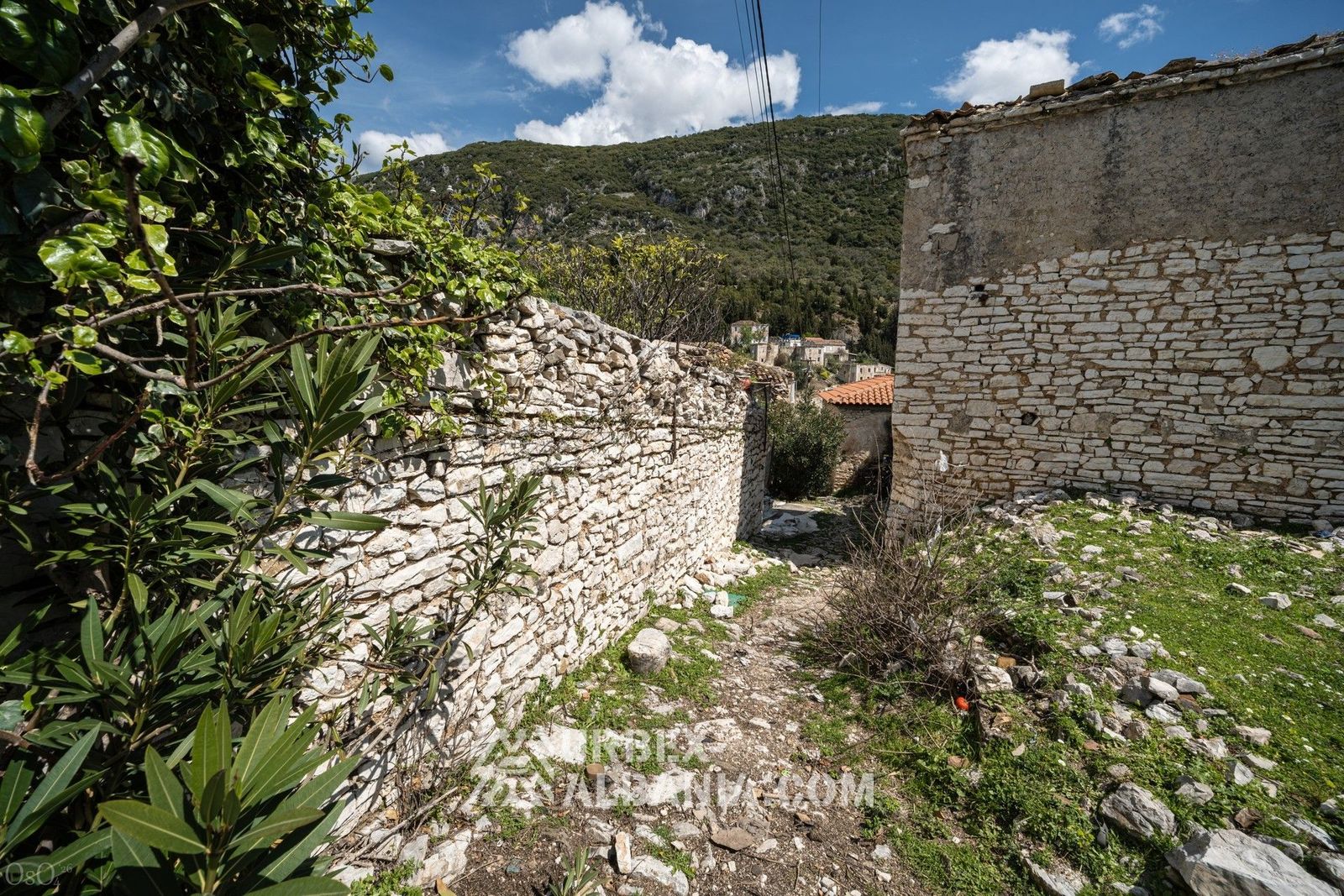
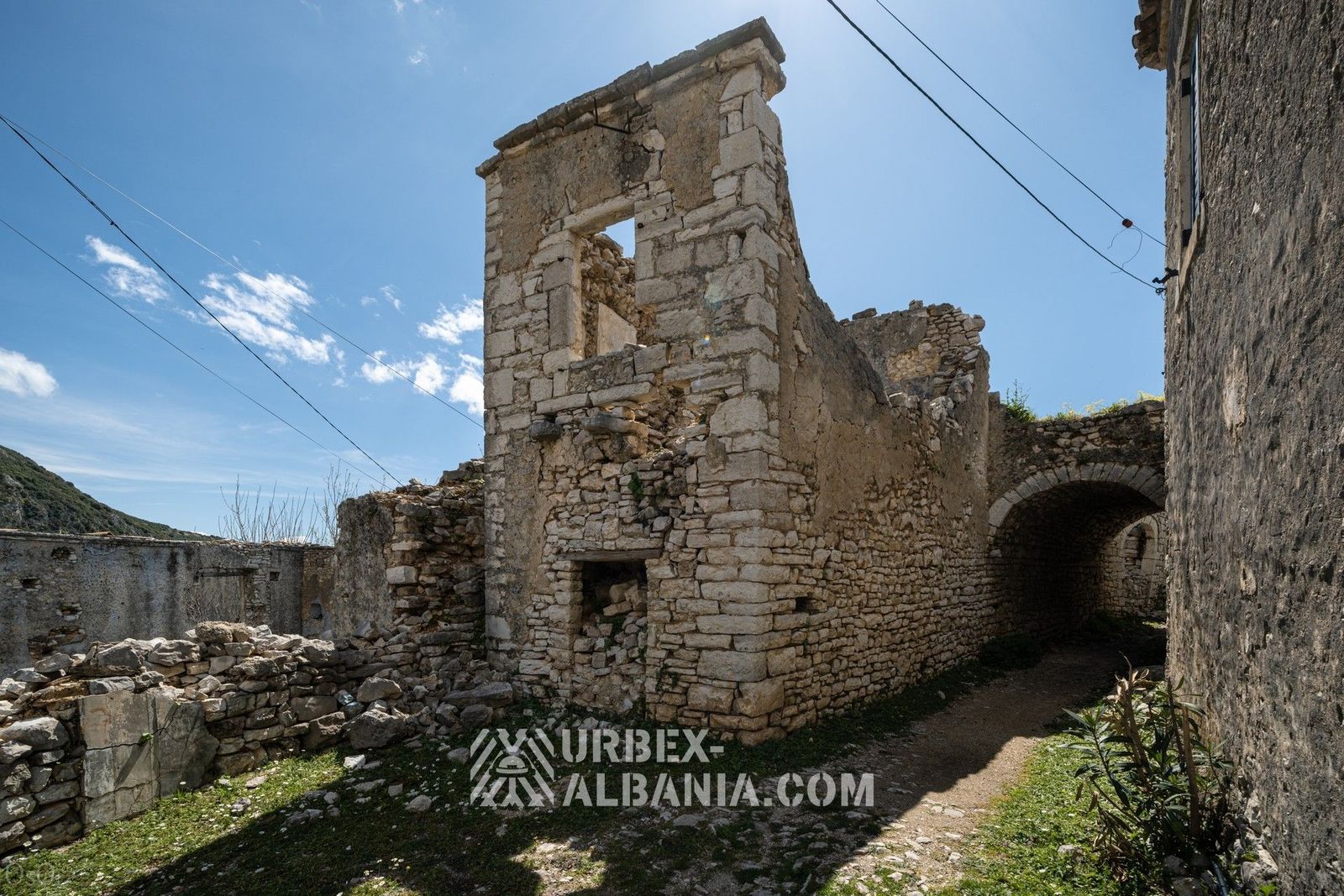
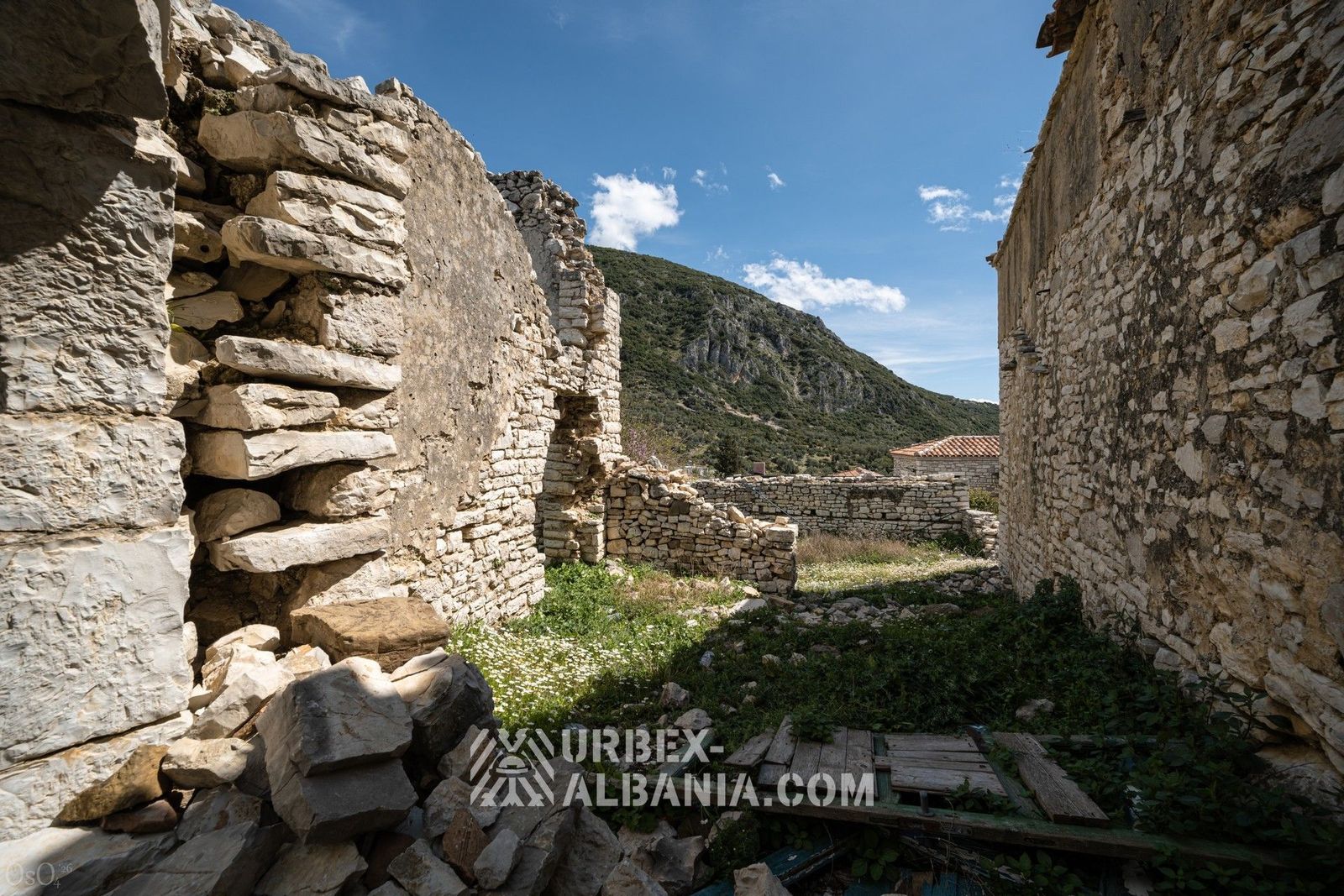
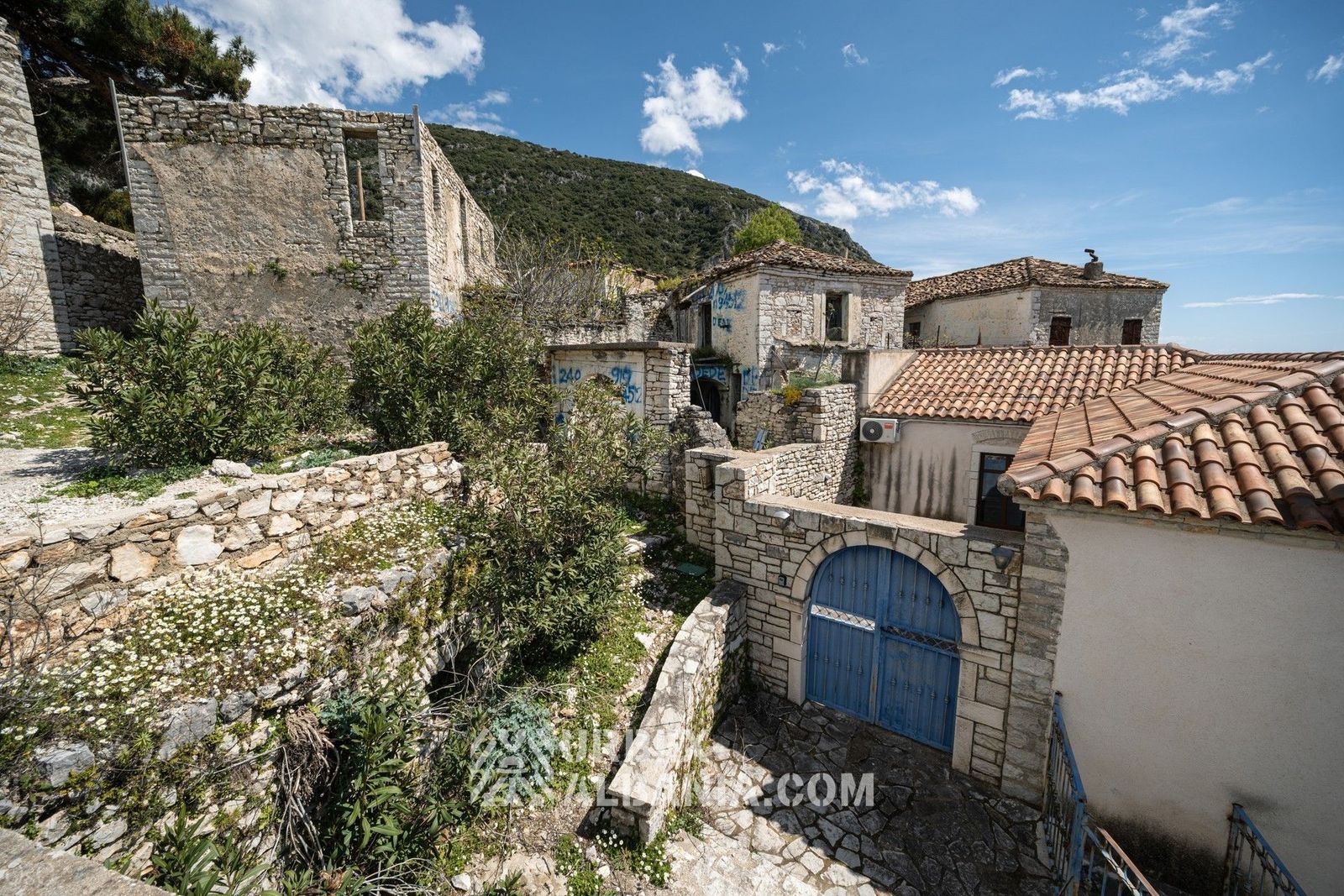
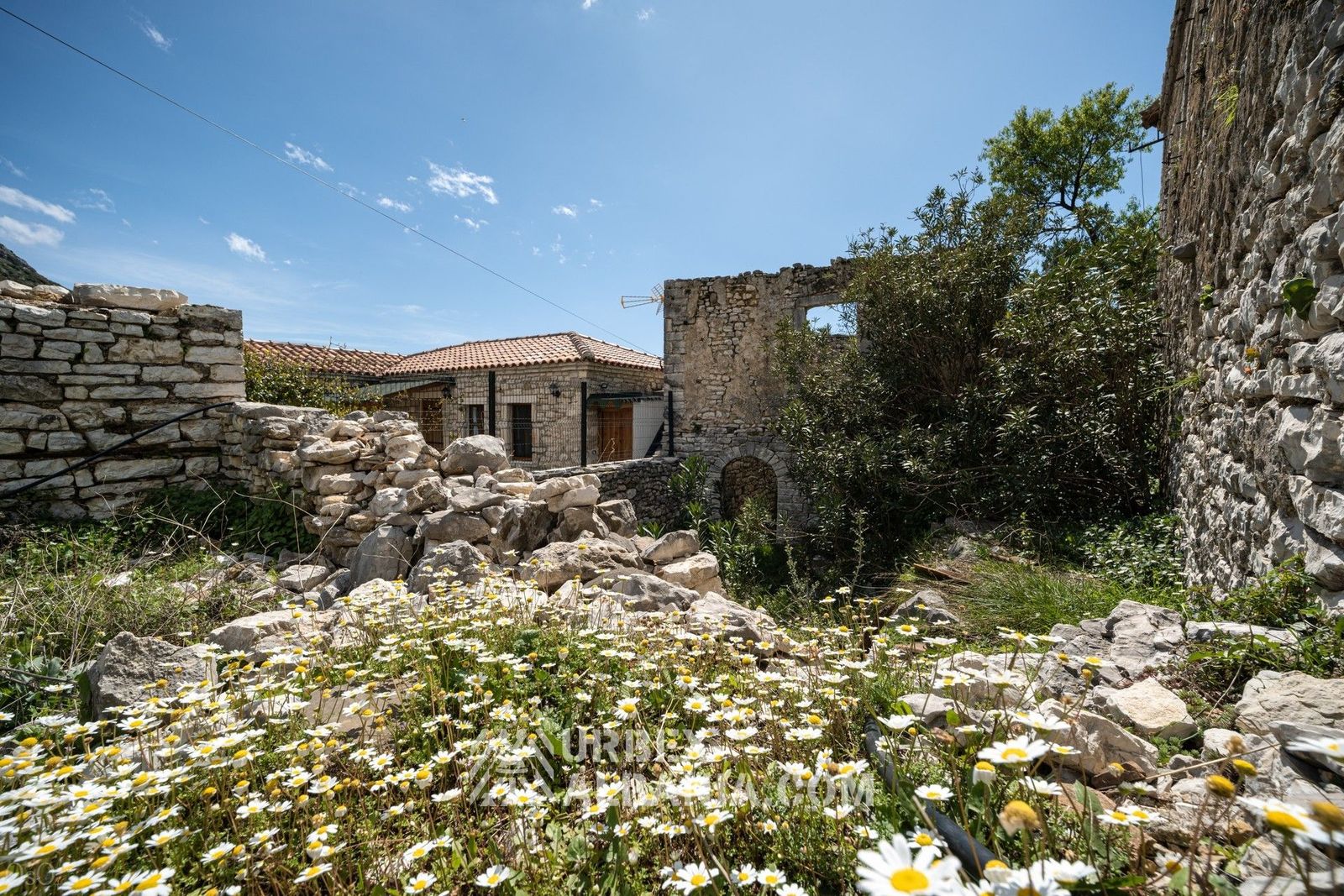
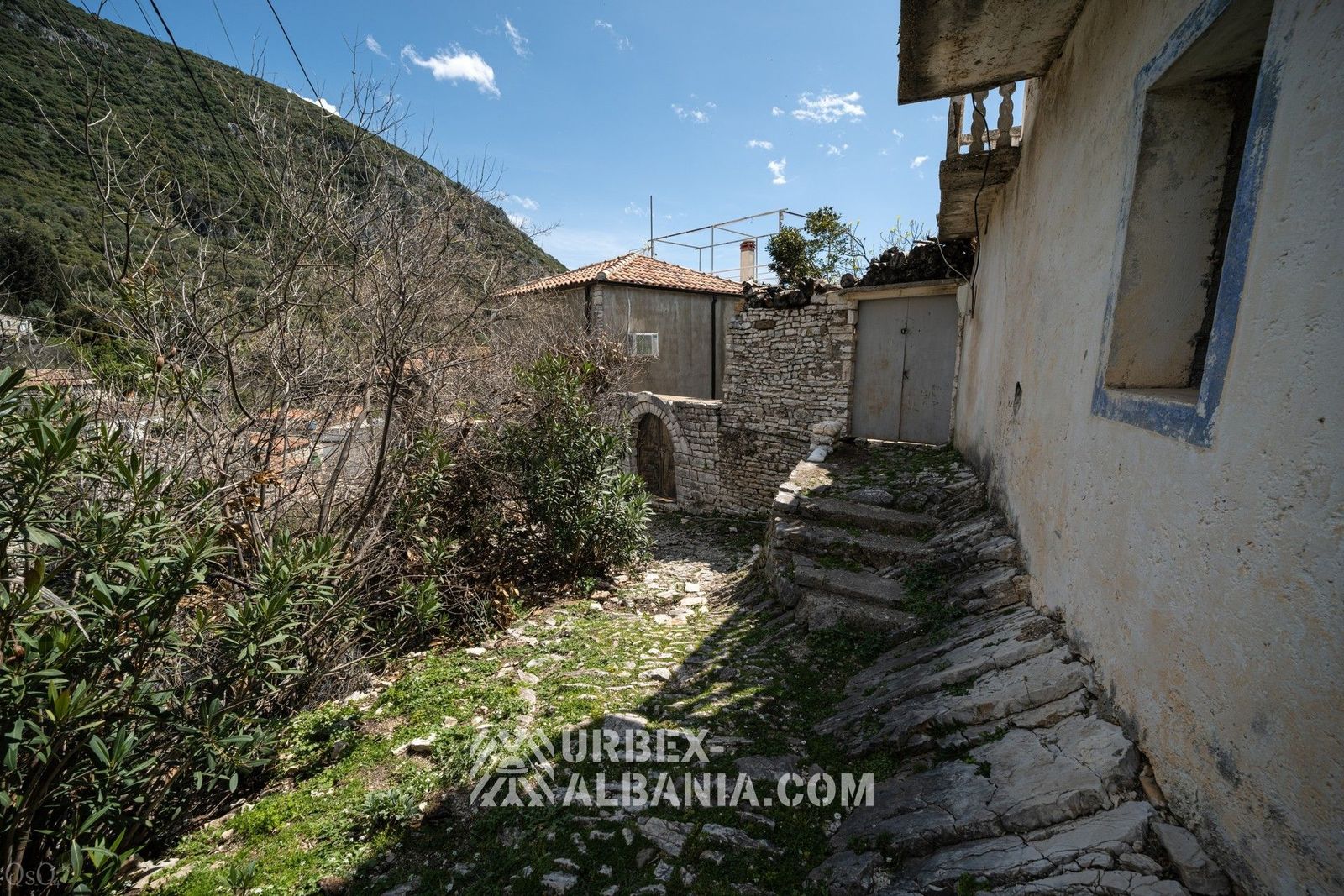
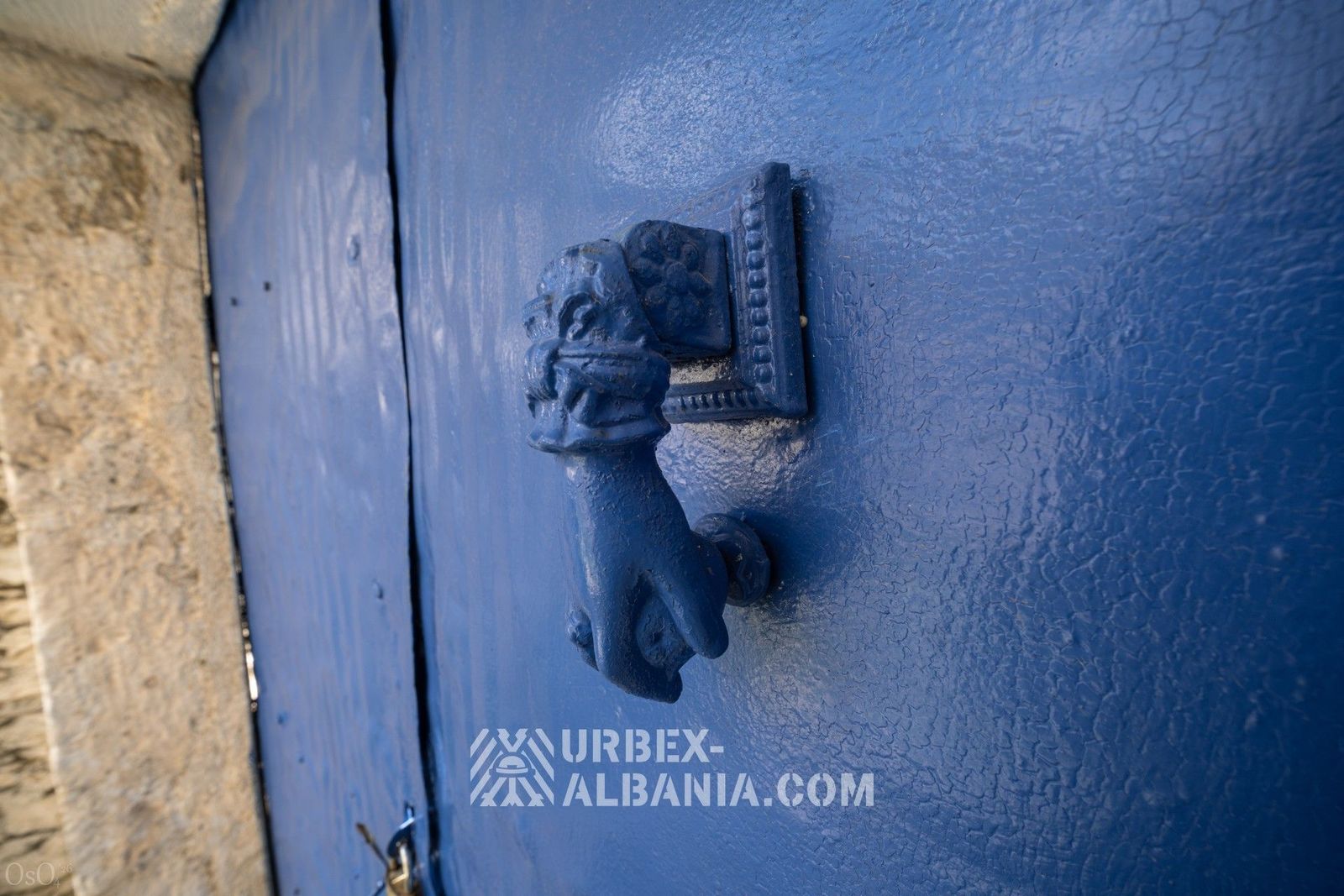
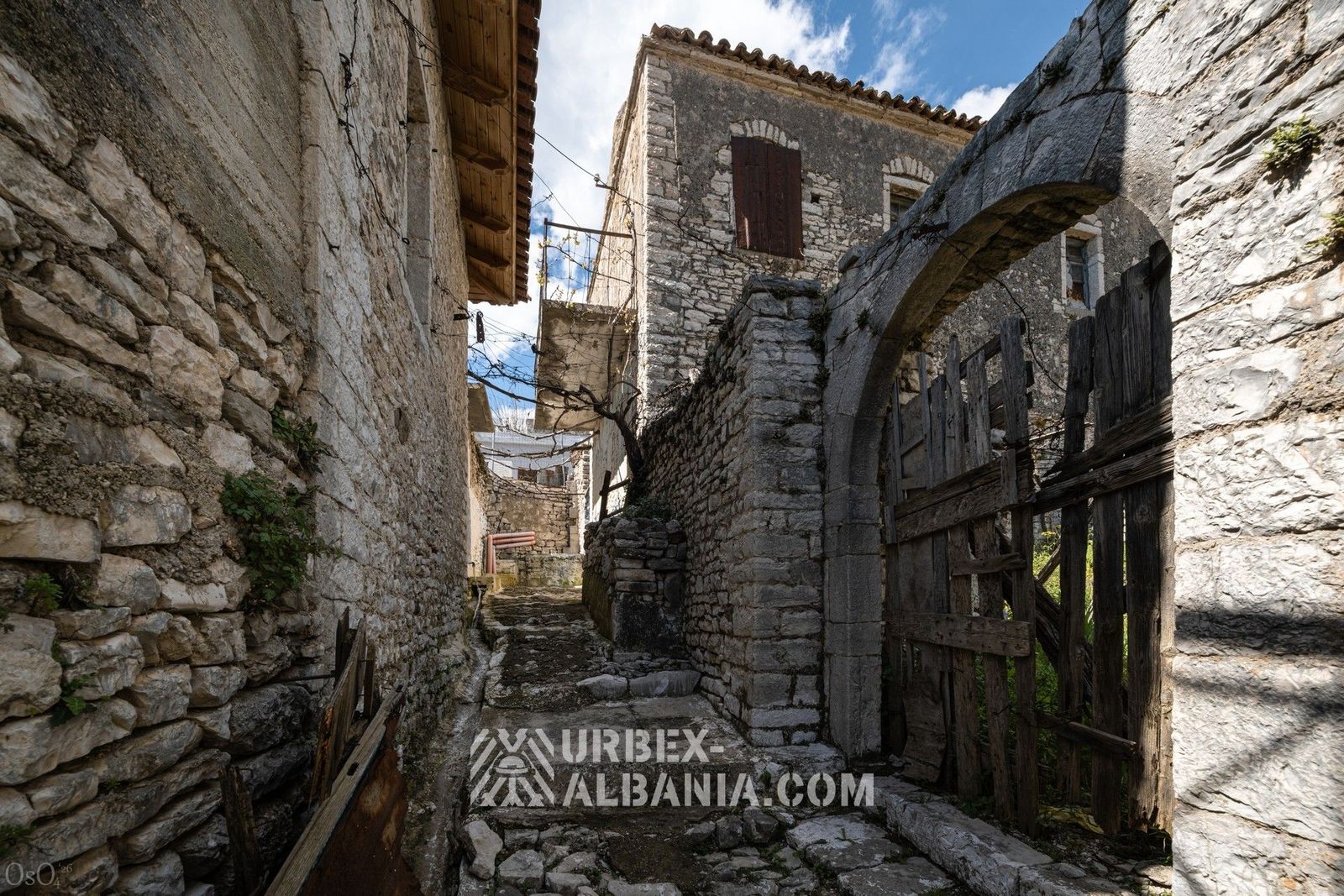
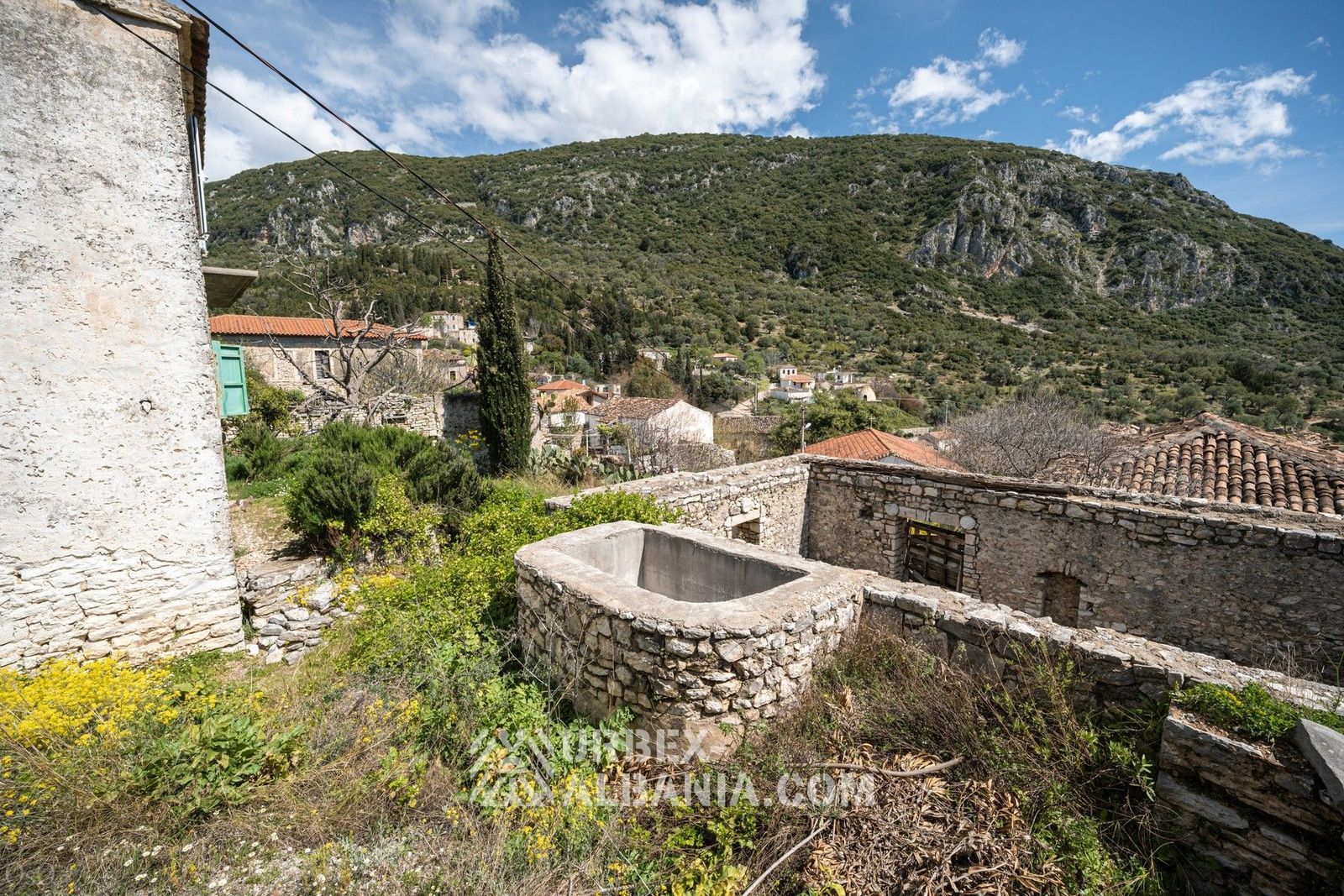
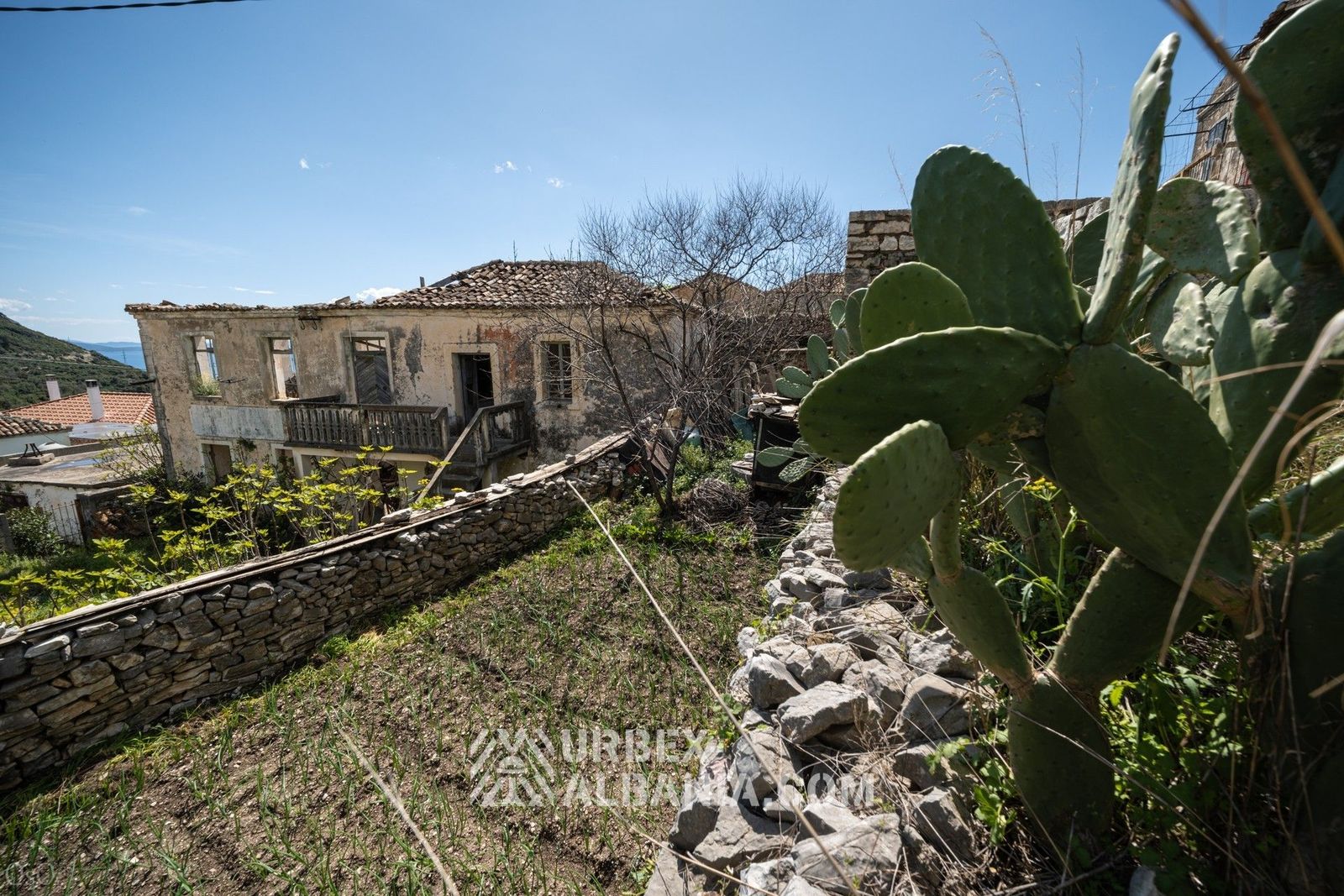
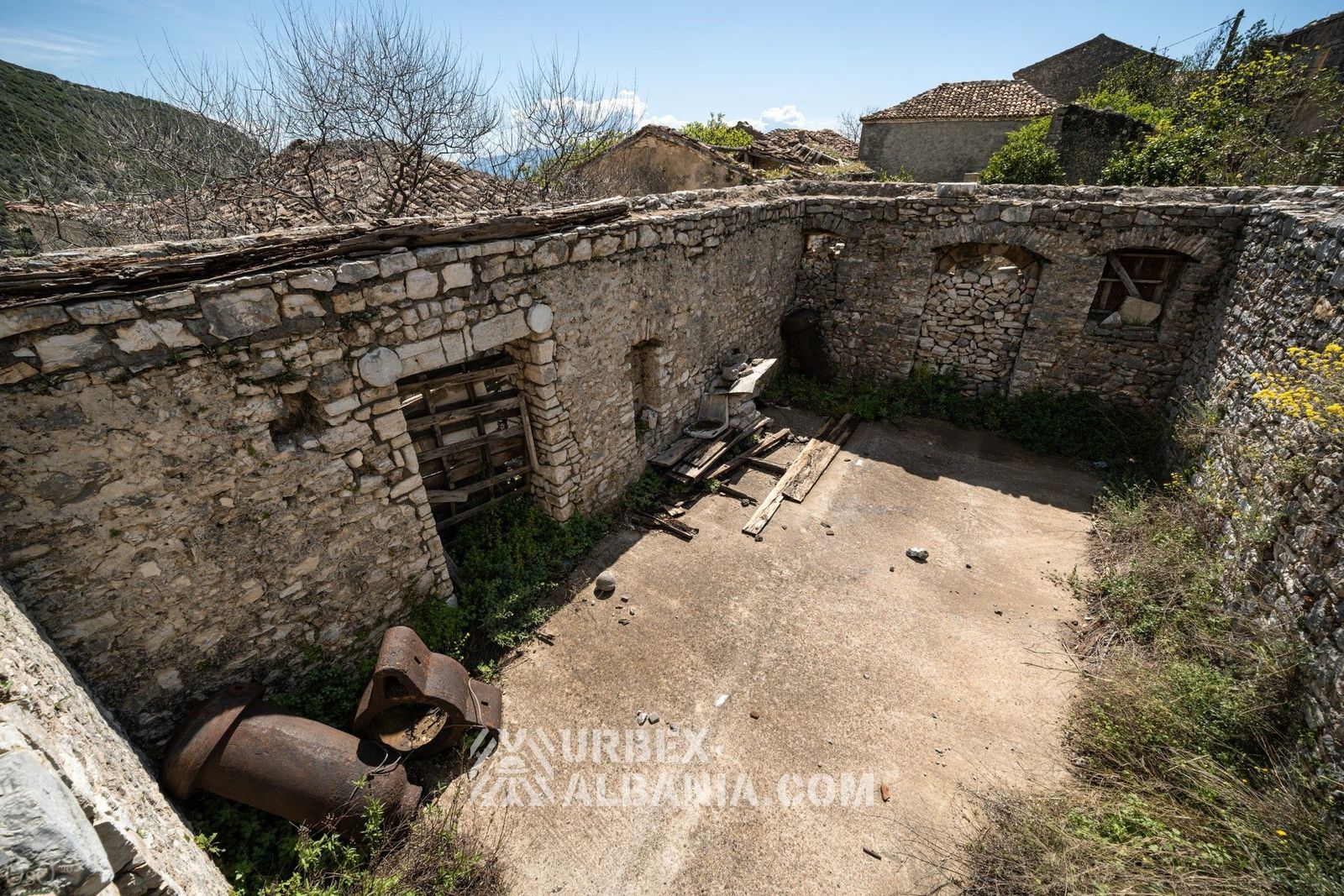
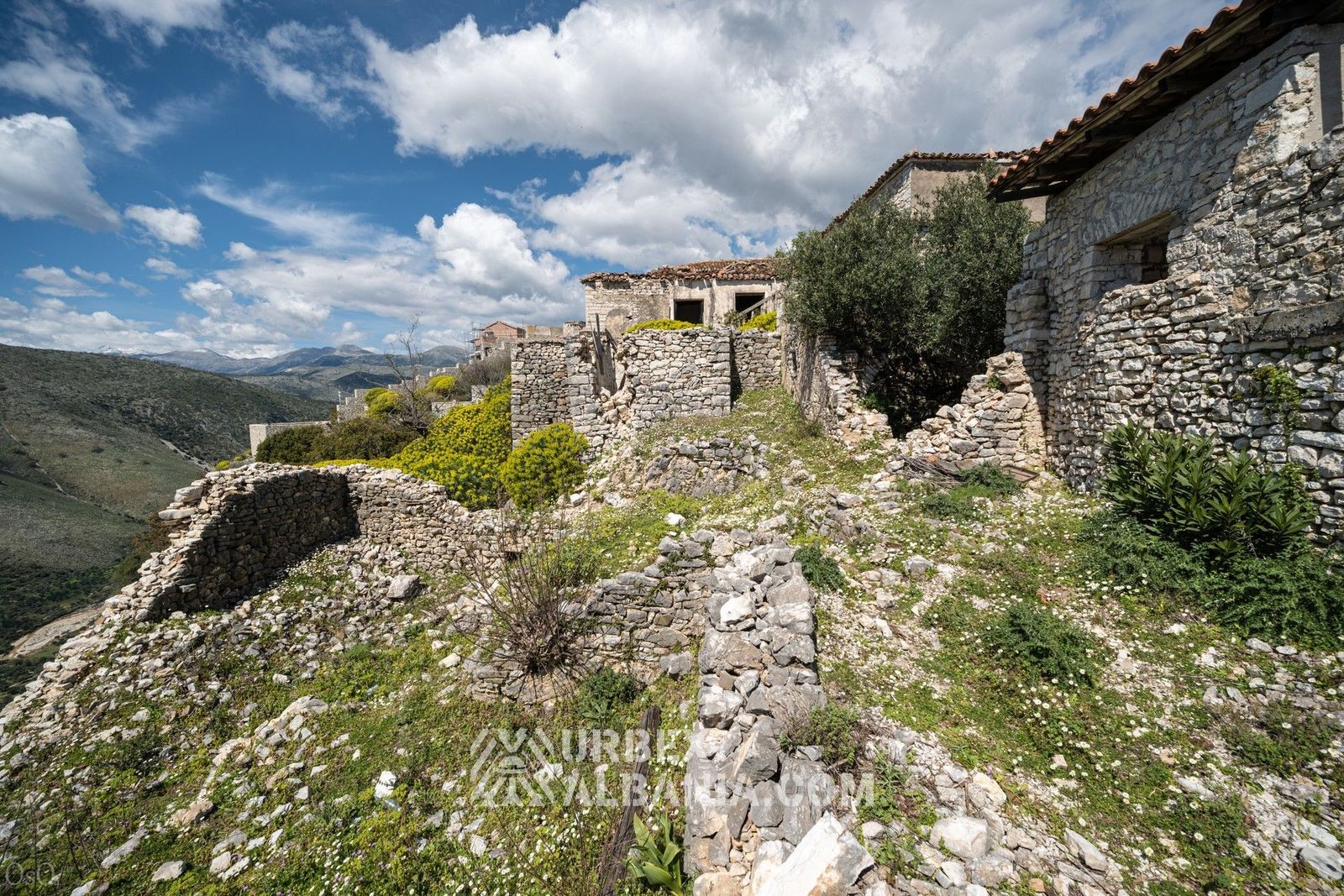
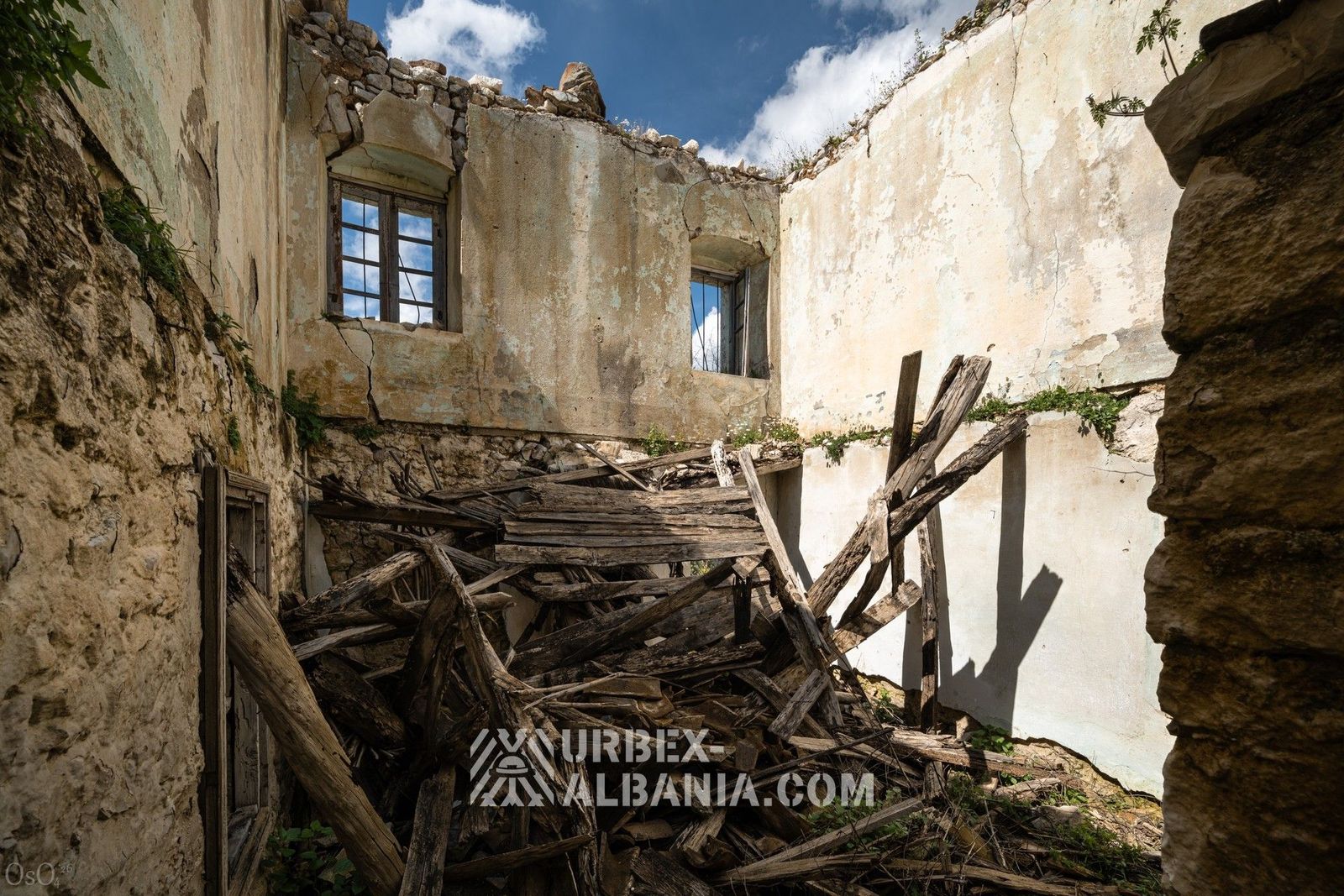
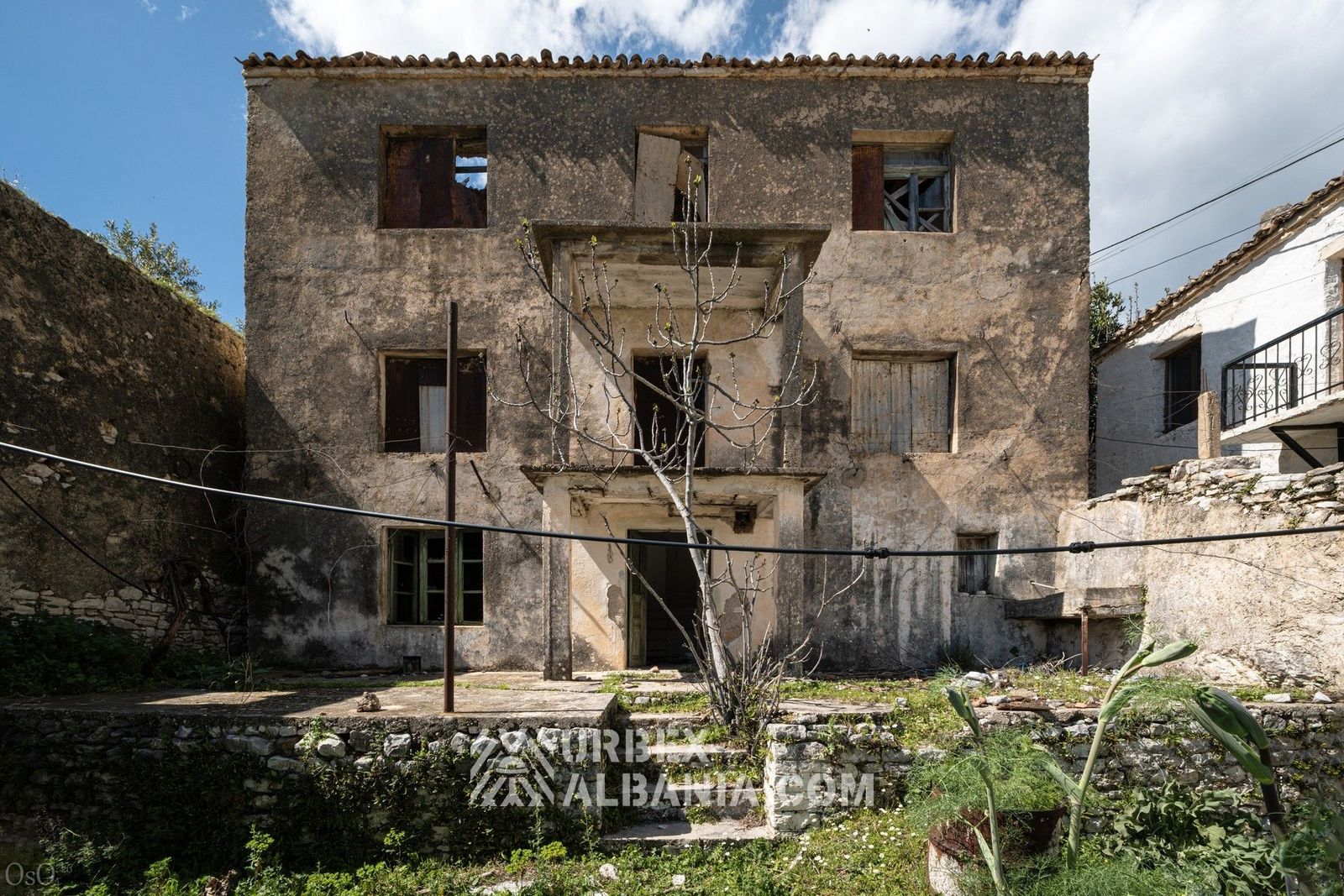
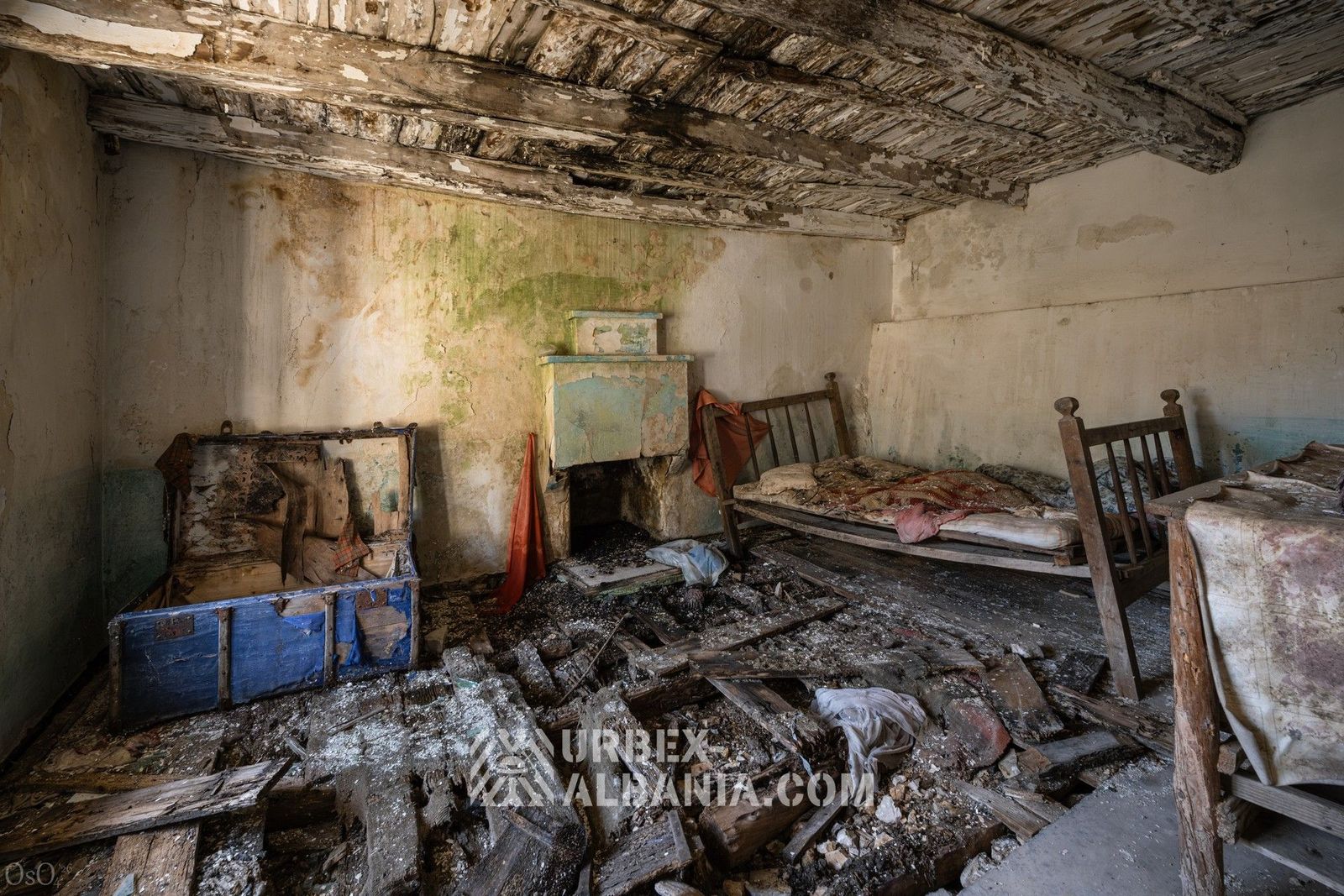
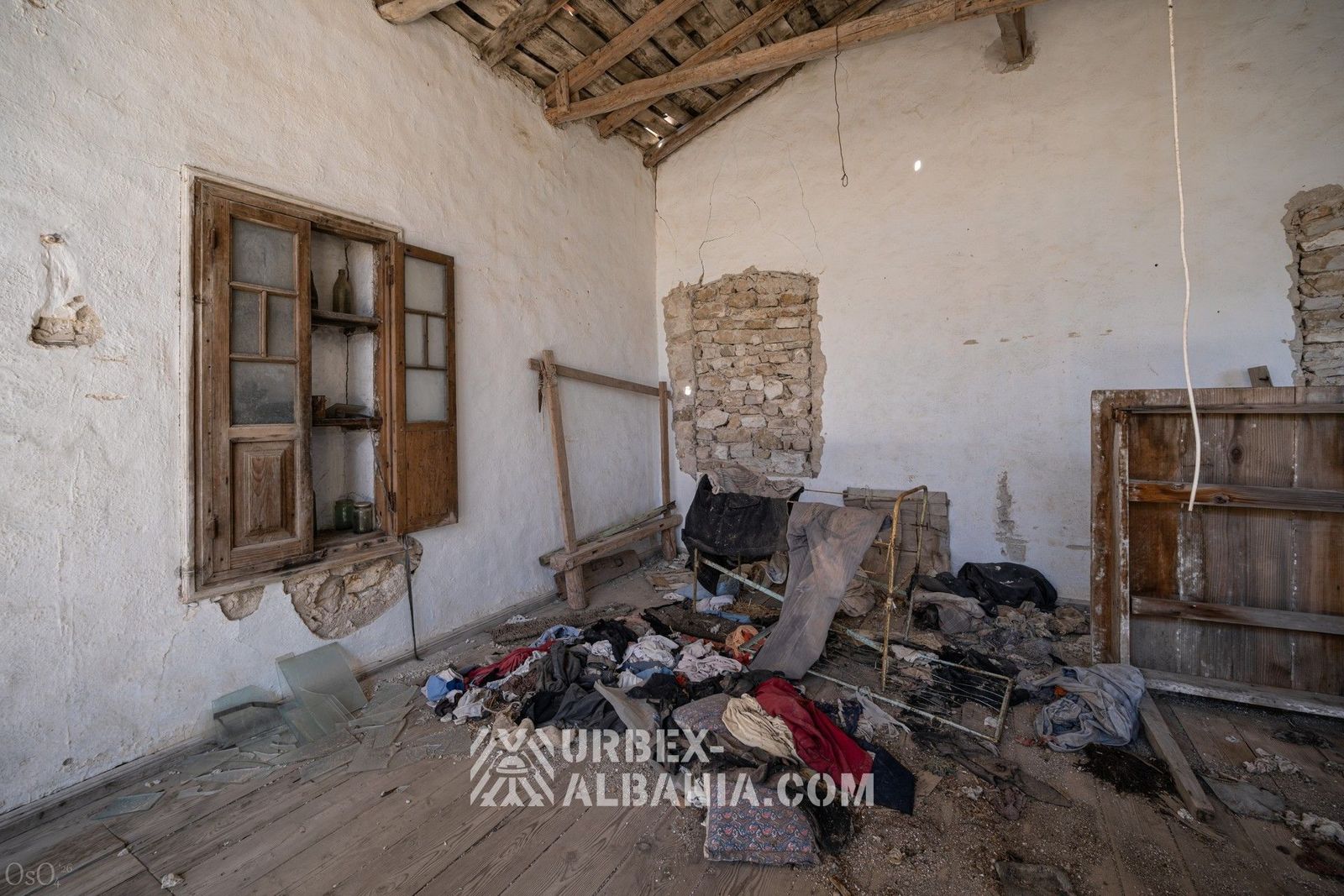
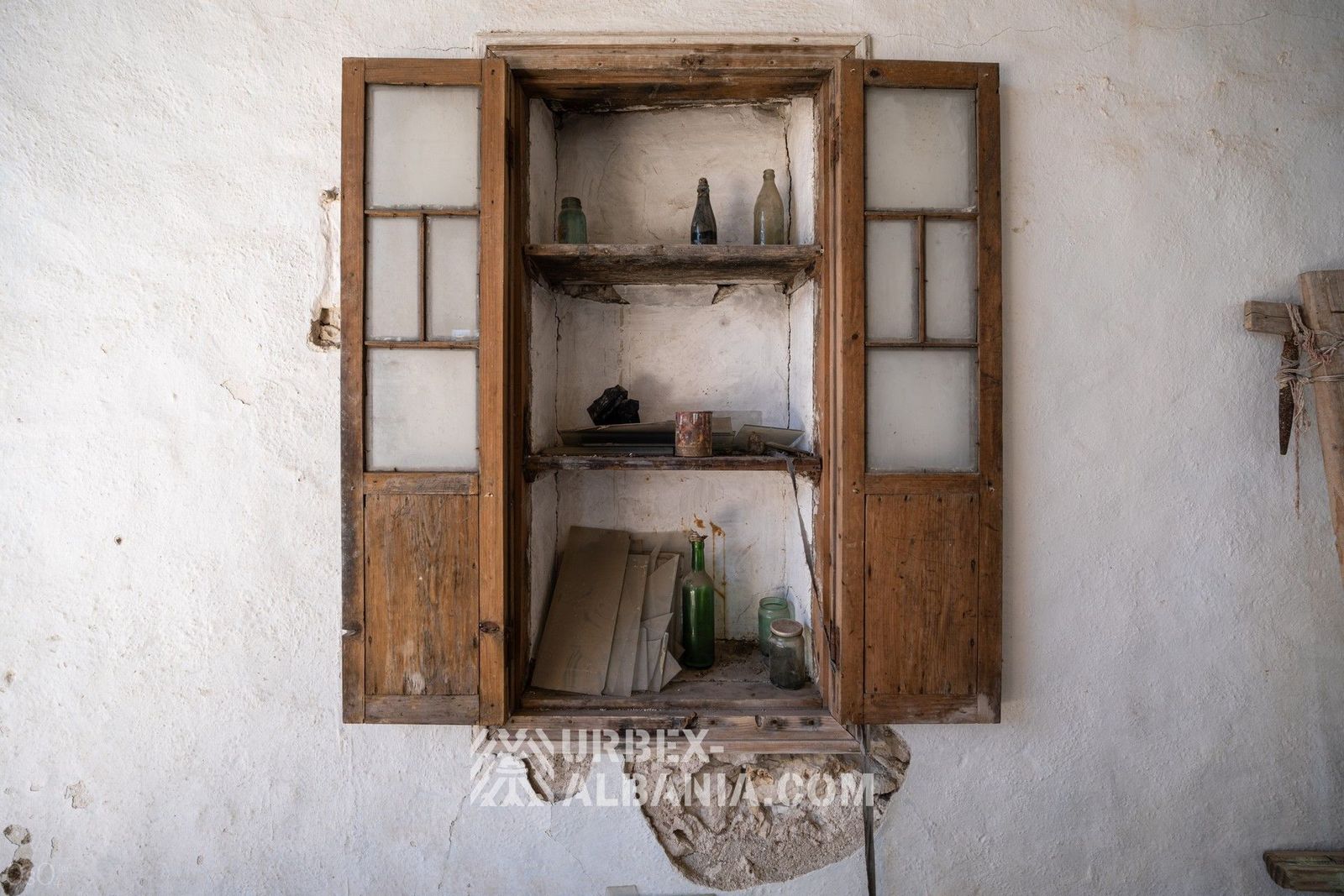
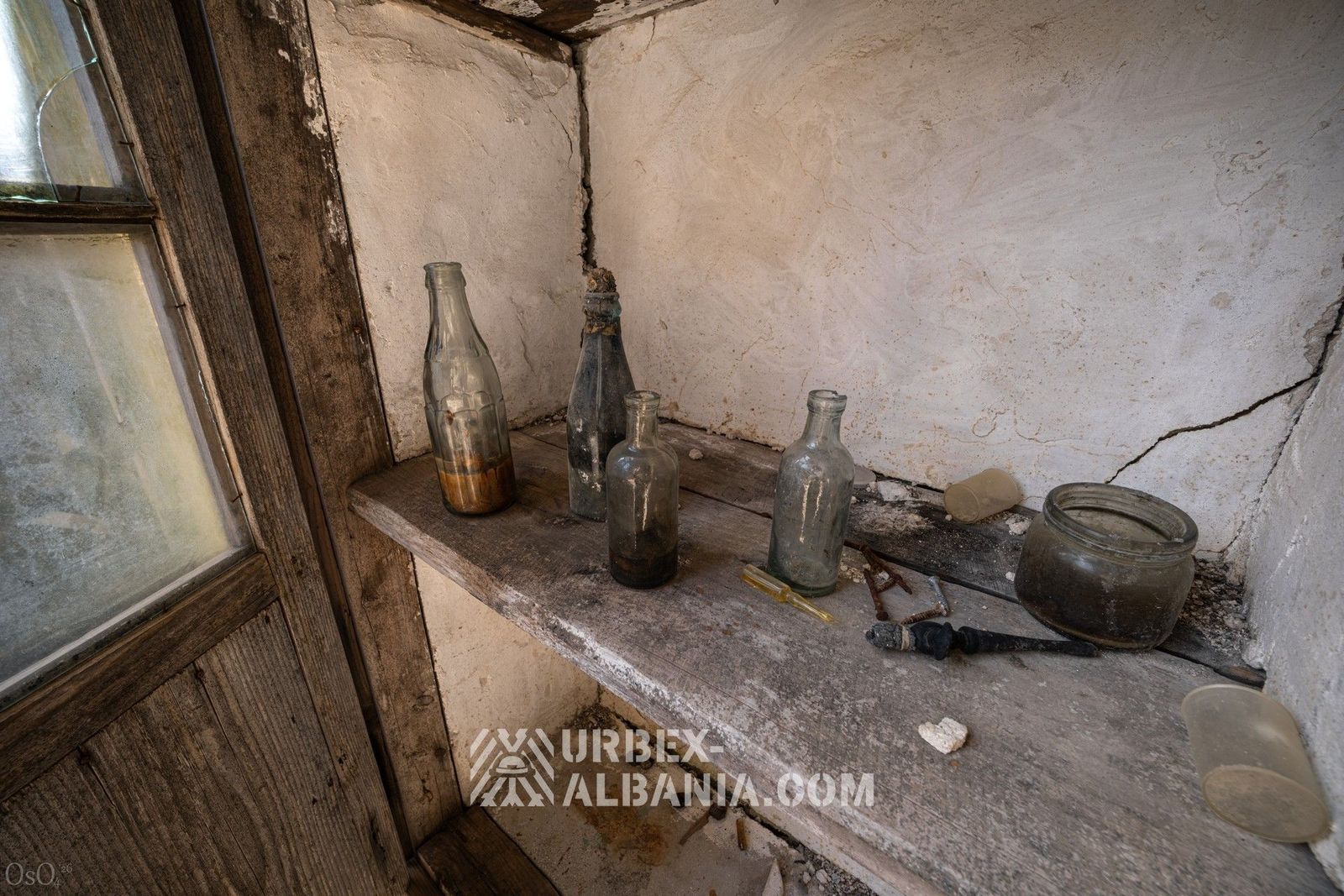
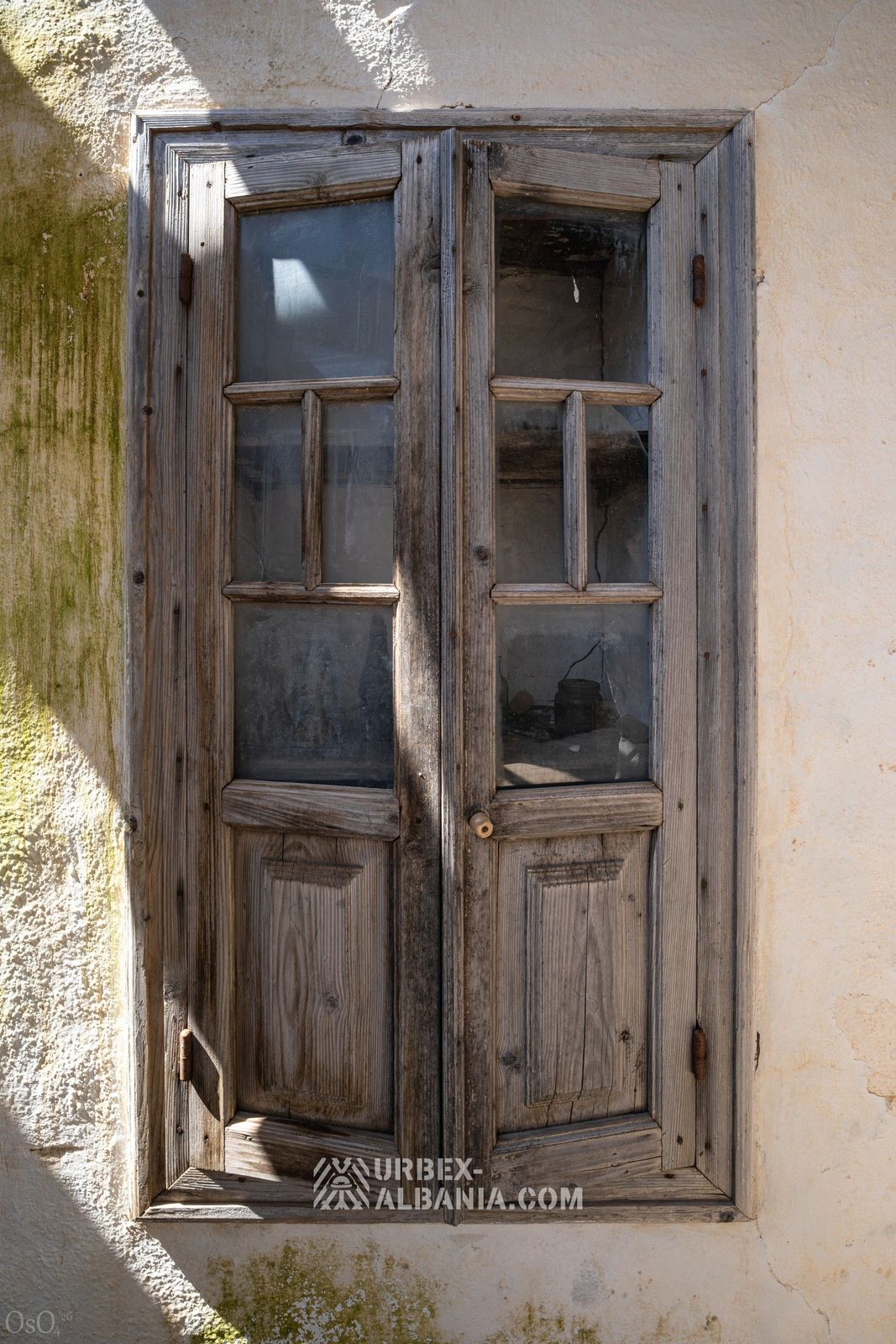
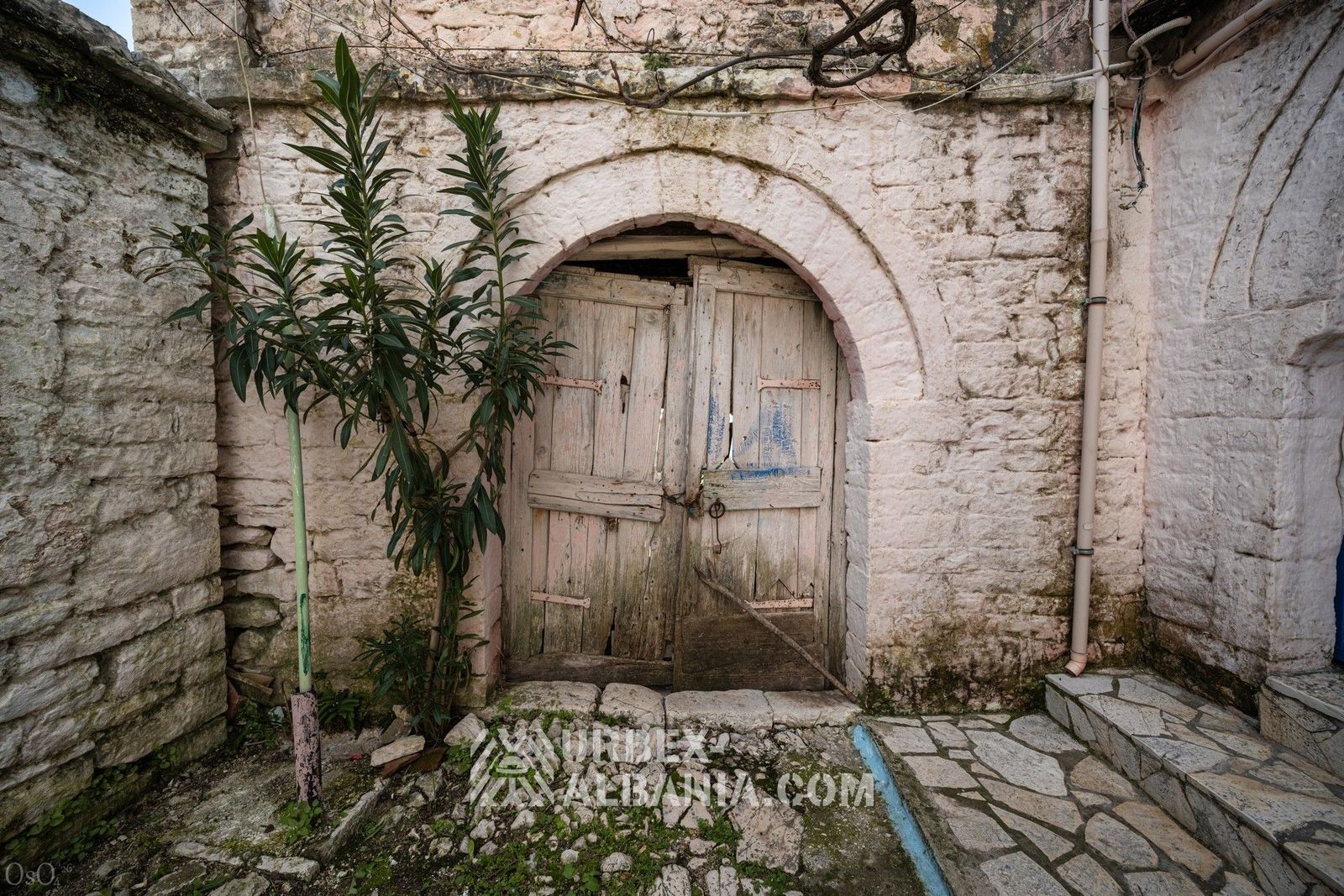
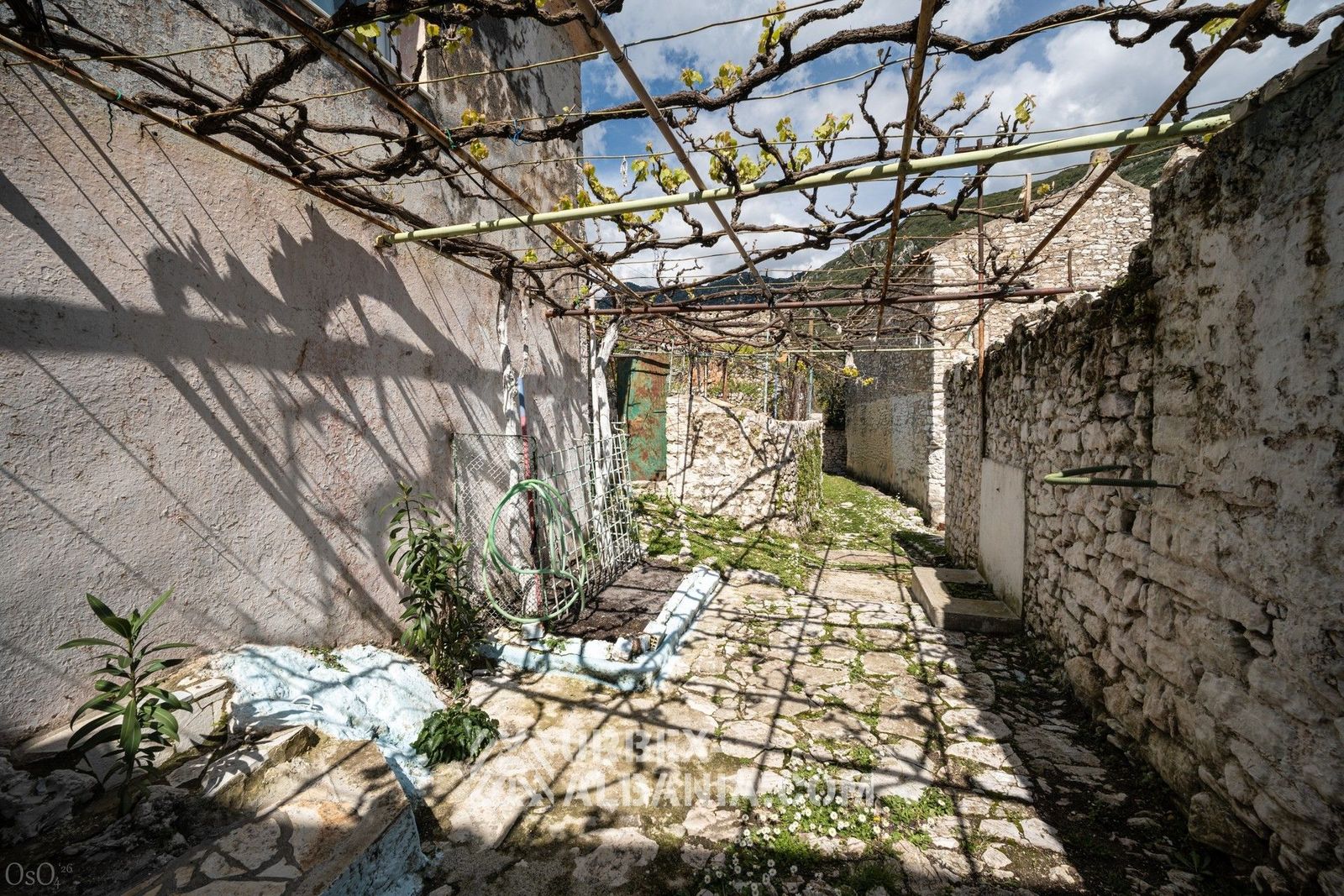
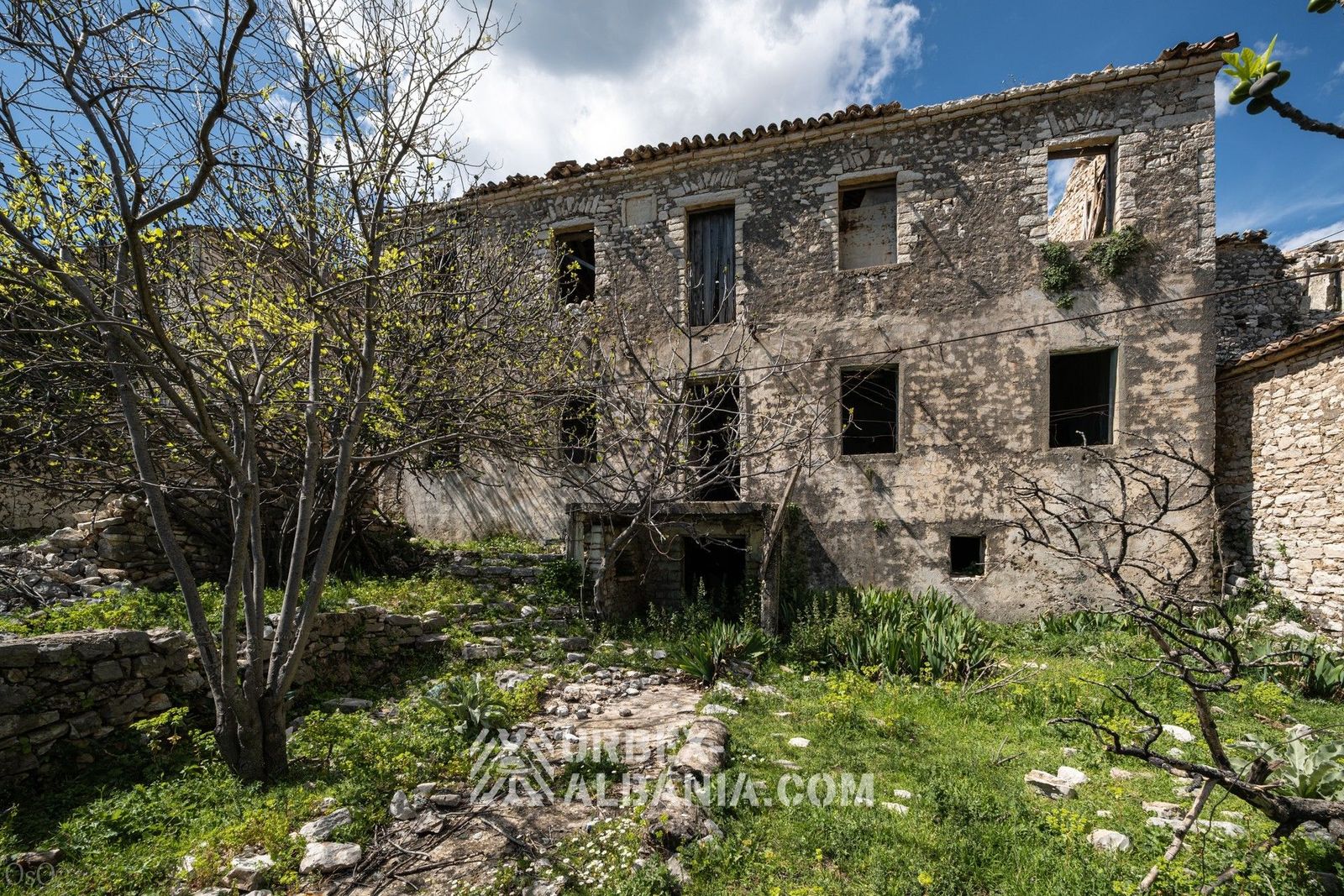
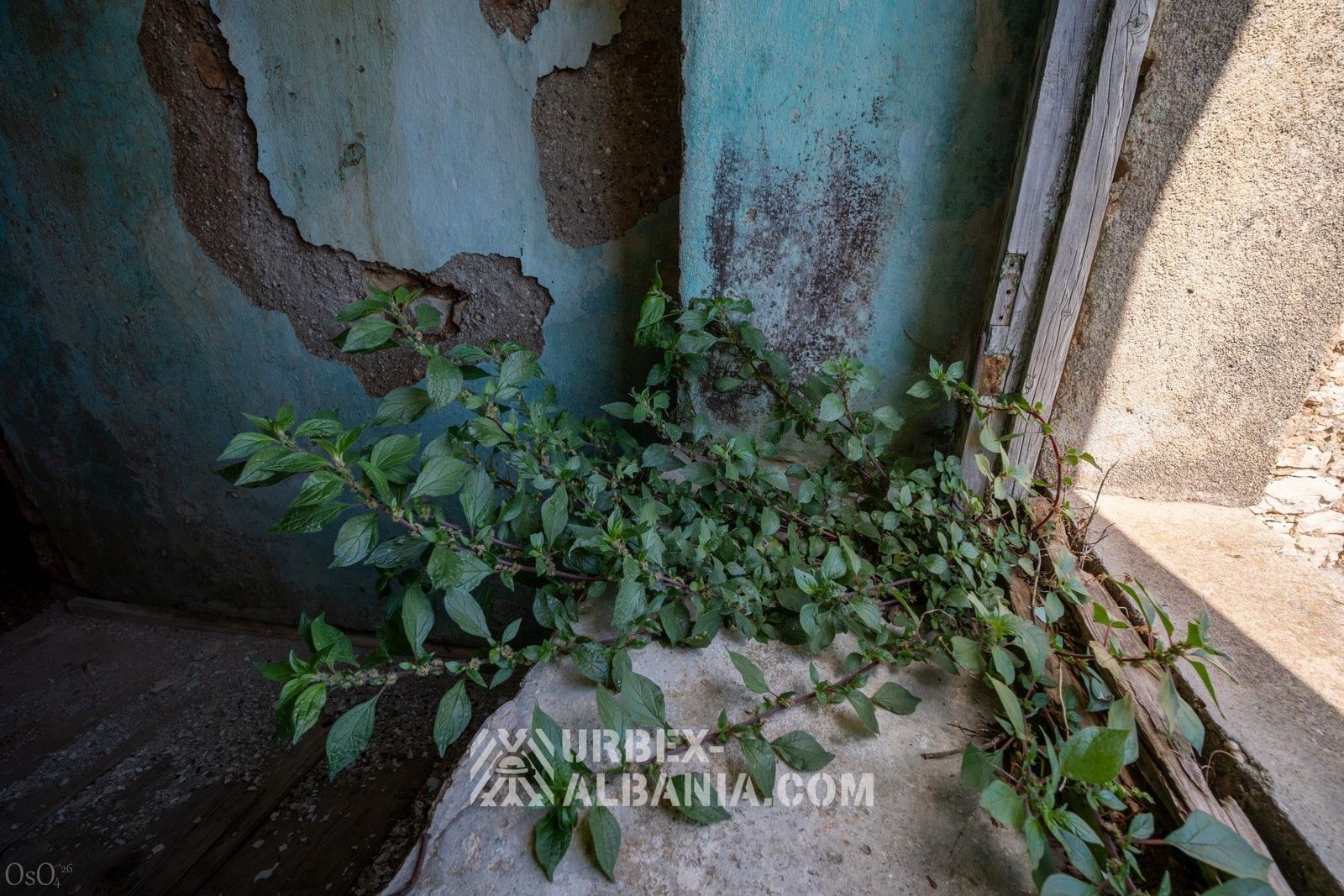
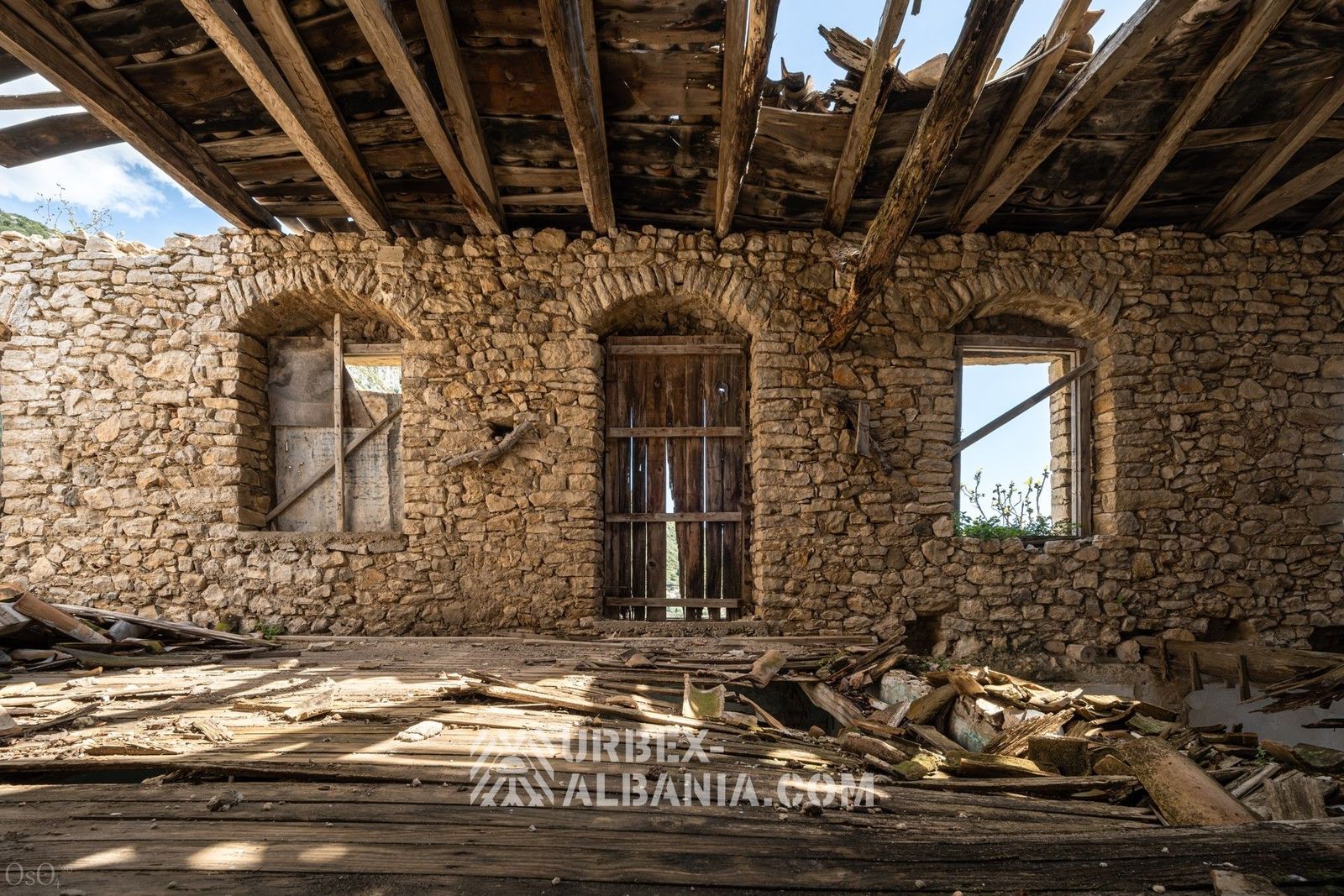
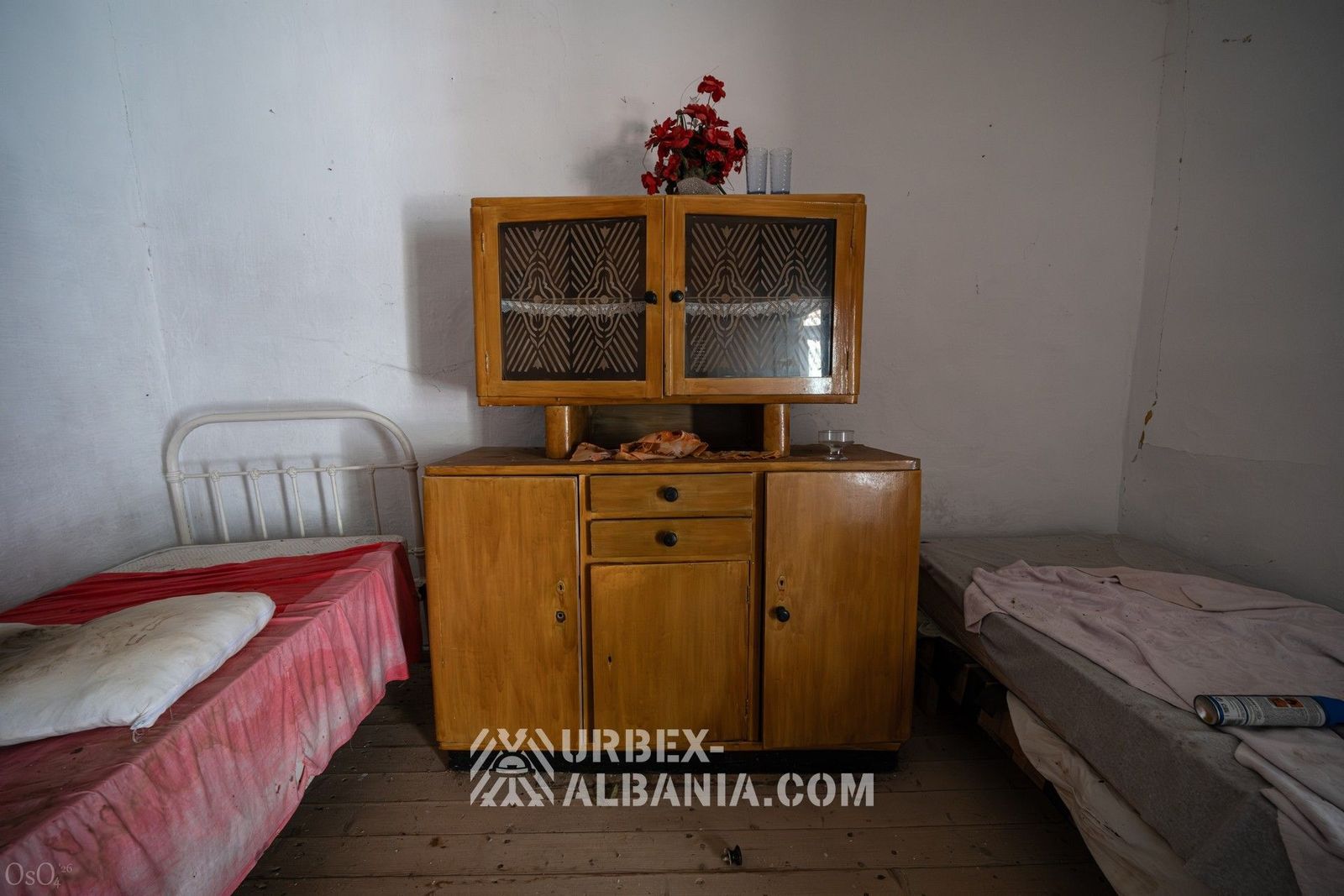
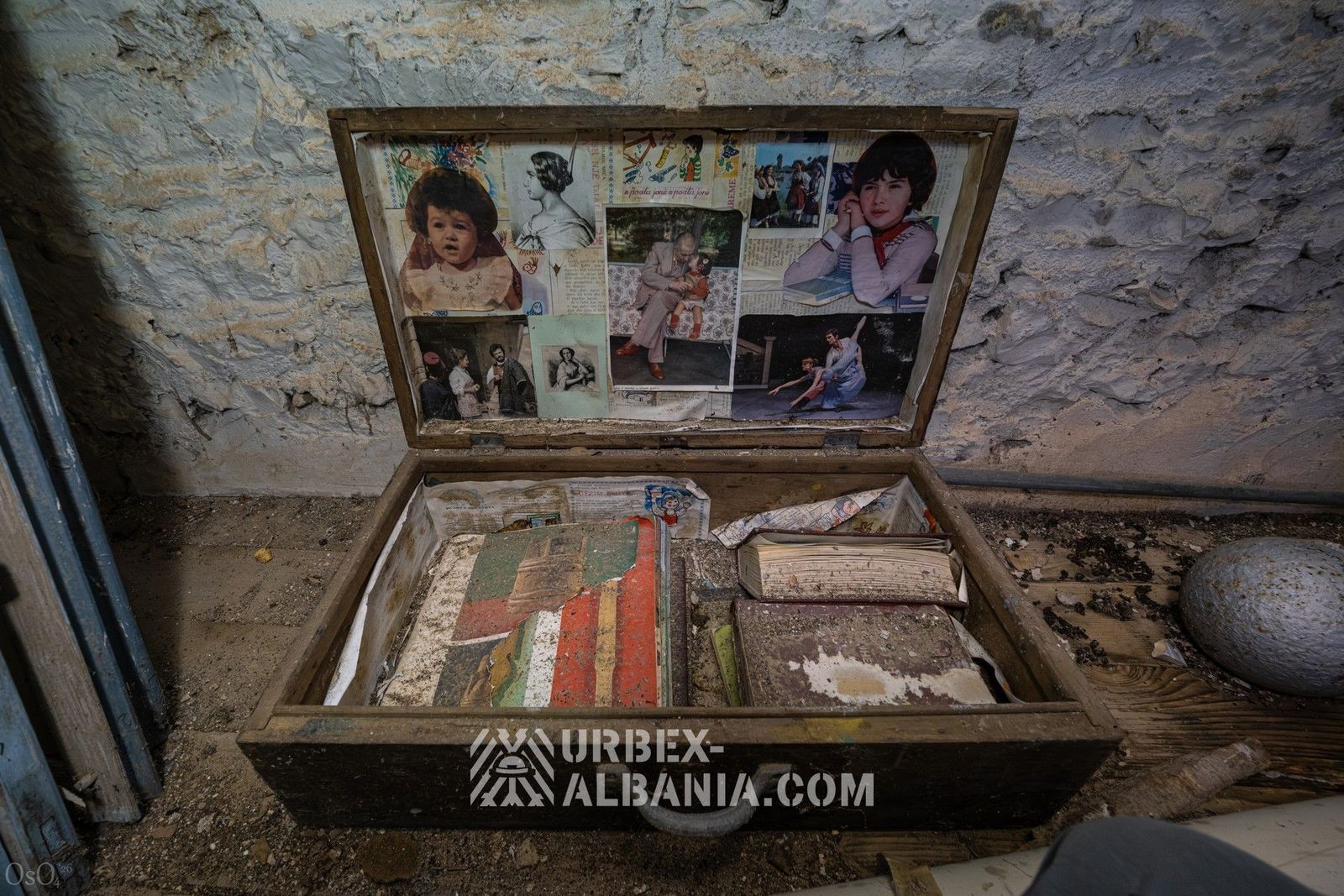
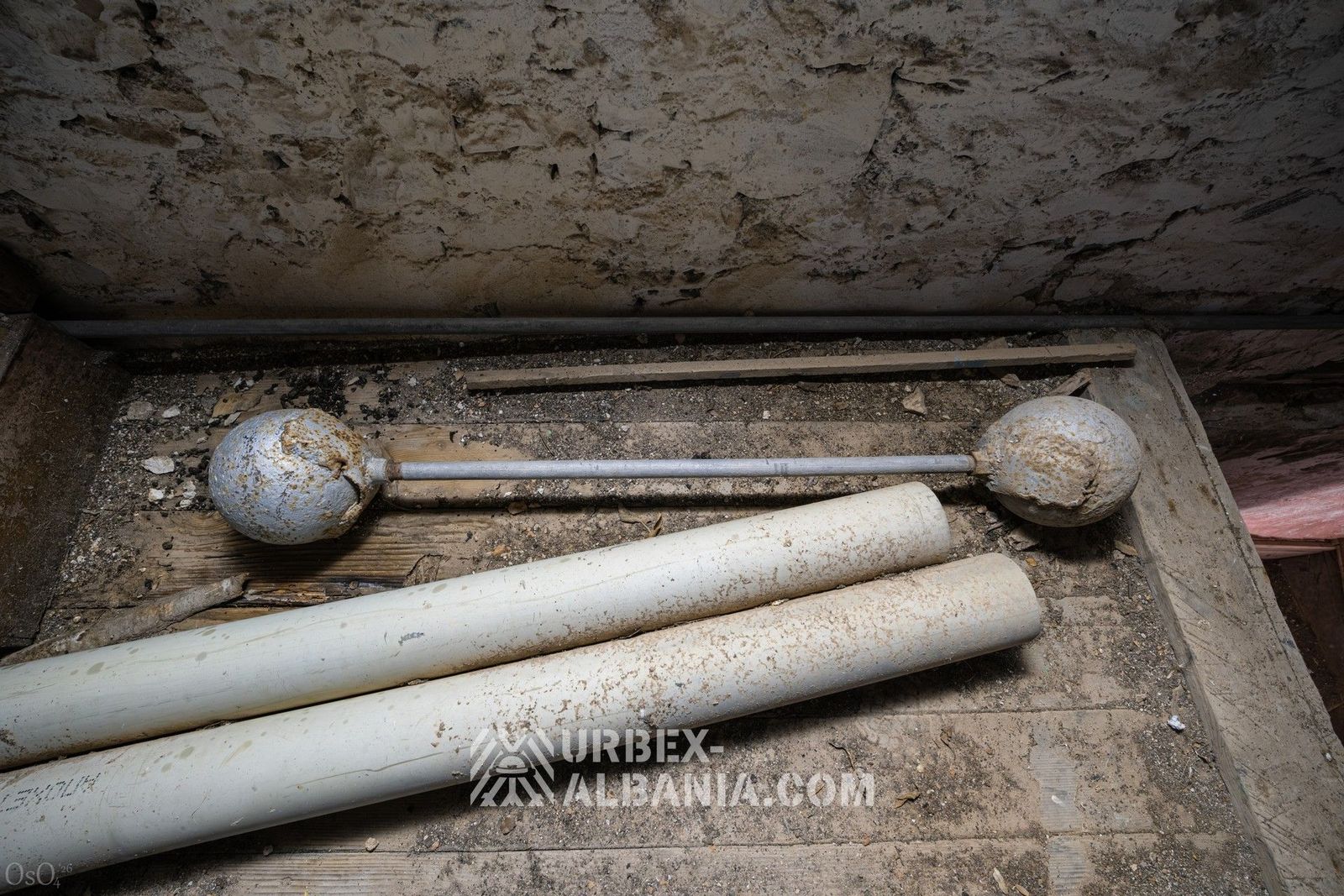
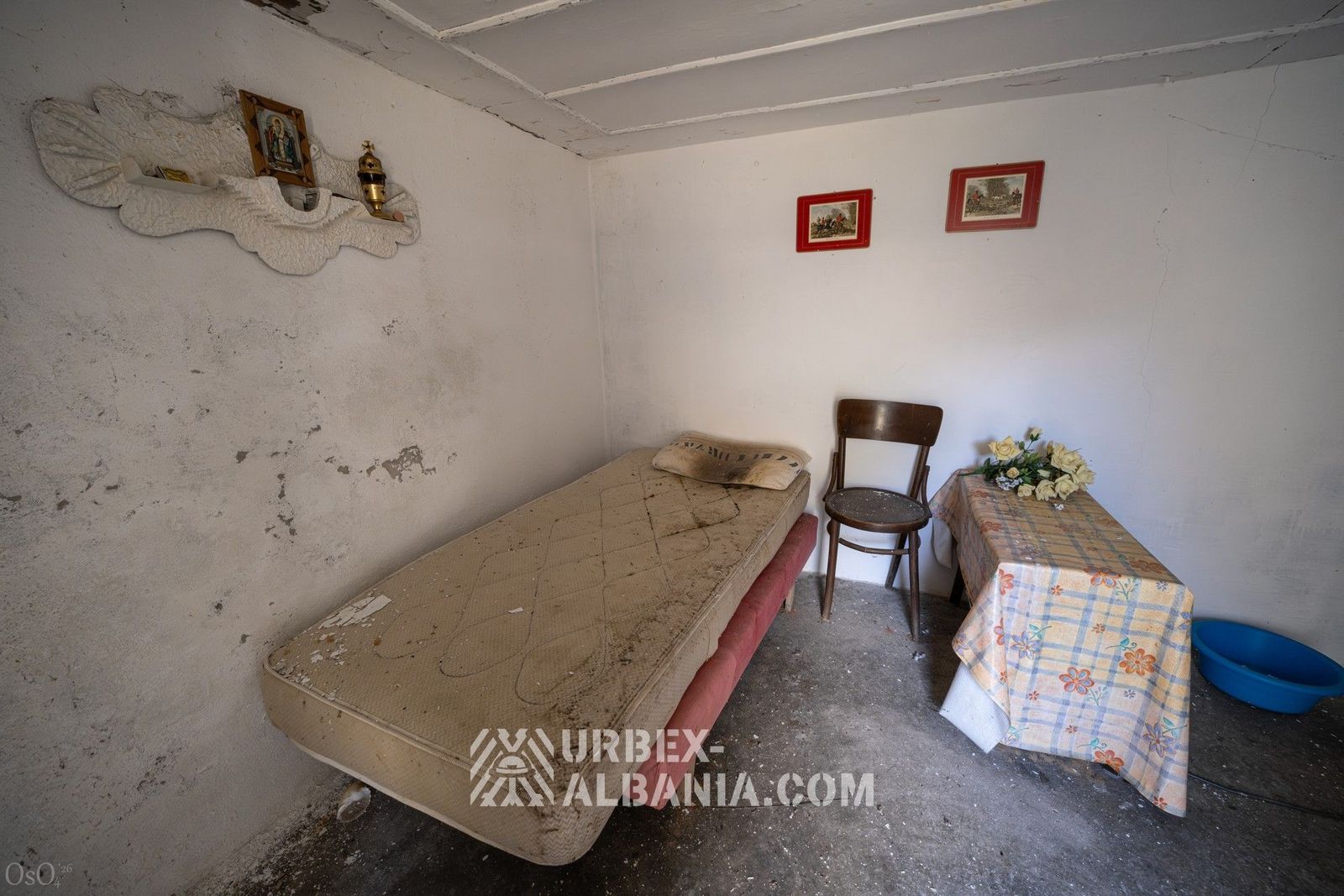
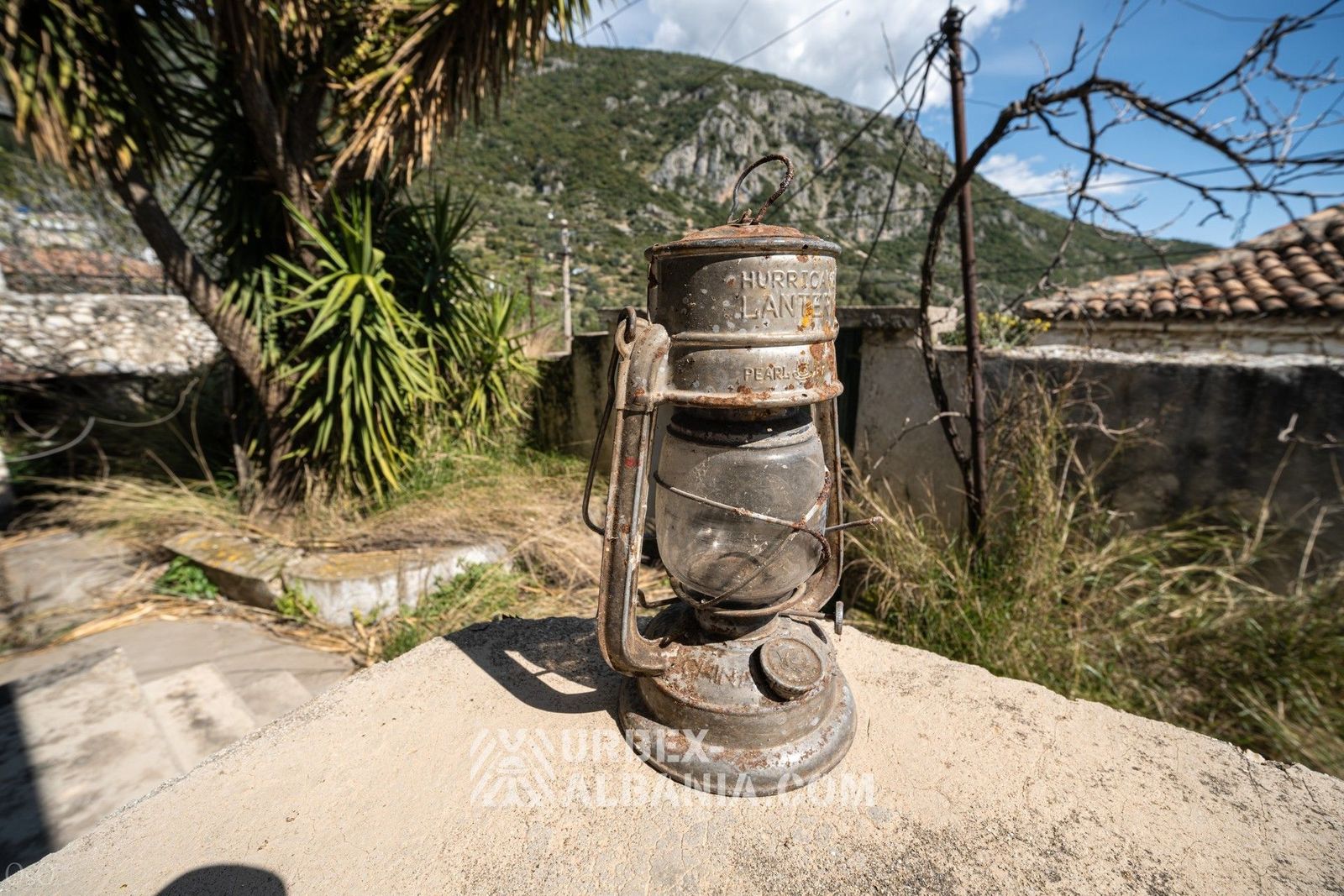
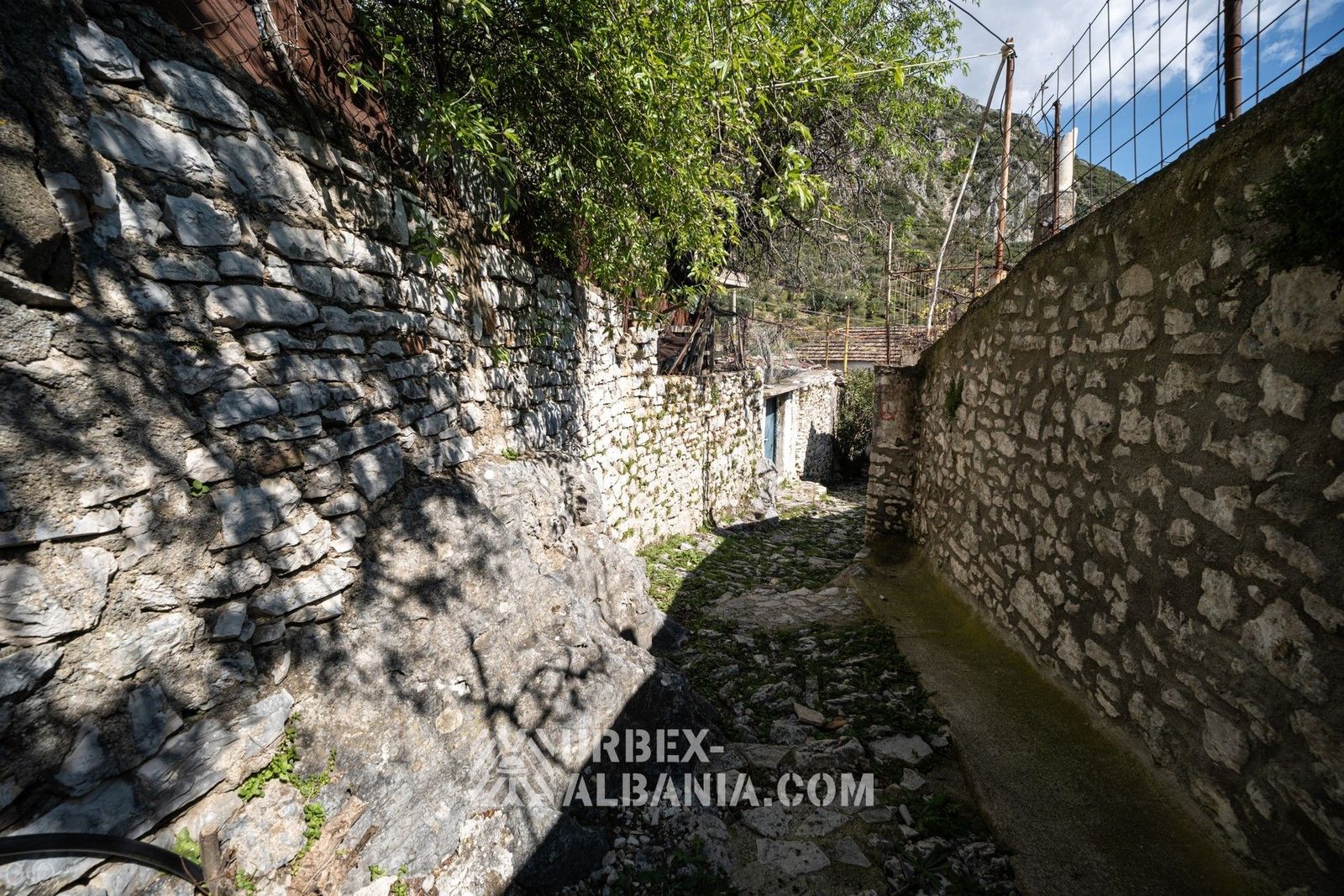
The old upper village was left behind. Its narrow winding streets are lined with abandoned houses — roughly 80% of the buildings are deserted. Their condition ranges from complete ruin to an uncanny stillness, as if the residents had just stepped out: furniture, trunks, household appliances and personal belongings remain in place. The site is unguarded, but forcing entry into locked houses in full view of the remaining inhabitants is not advisable.