
Flooded Storage Tunnels
Description
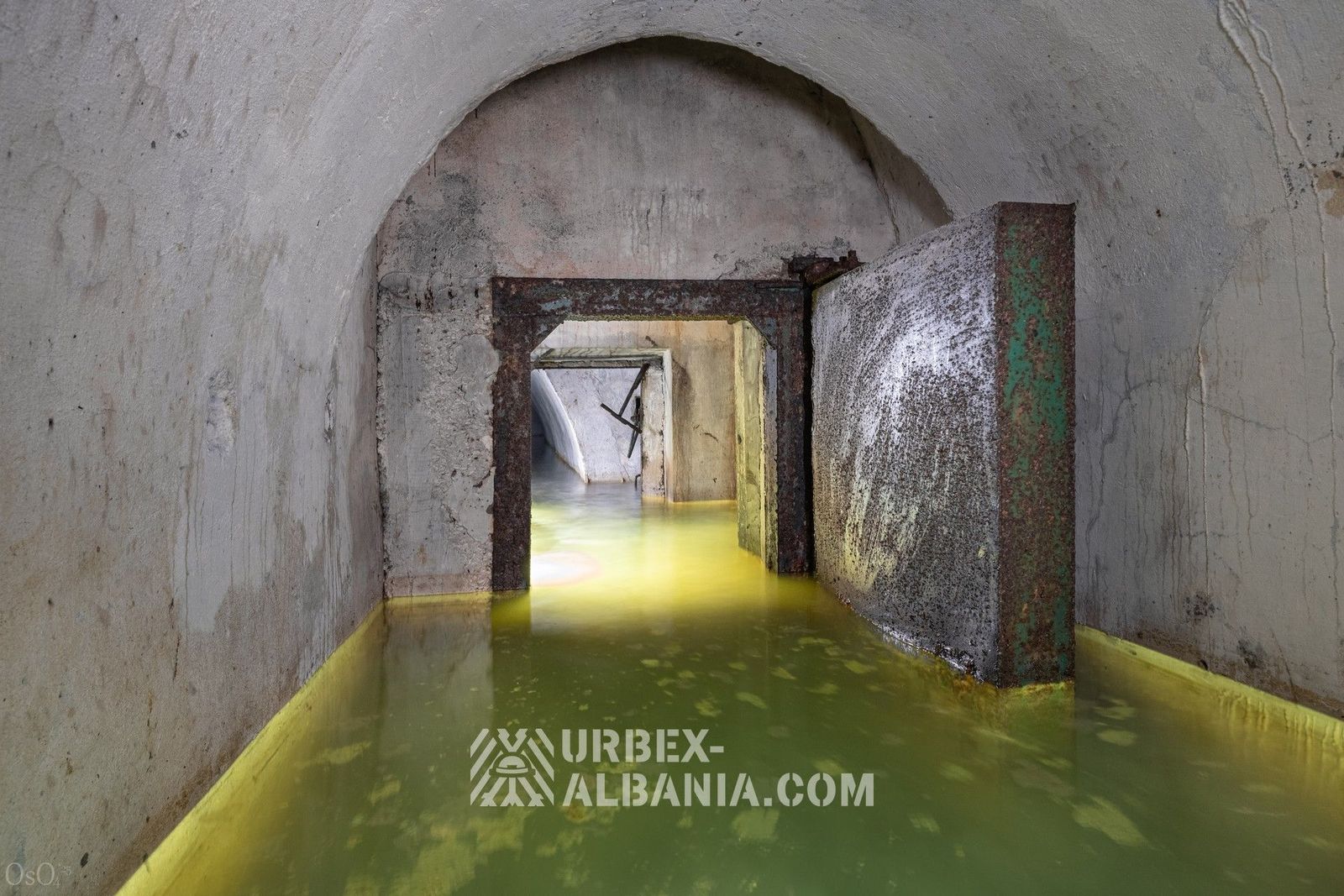
Carved into a hillside near a former cement factory during Albania’s communist period, these are several tunnel storage facilities. One was completed and put to use: a semicircular arched passage horseshoe-shaped in plan, with two street-level entrances. The entrance to another is buried under earth and overgrown with thorns. A third was never finished and dead-ends into the rock.
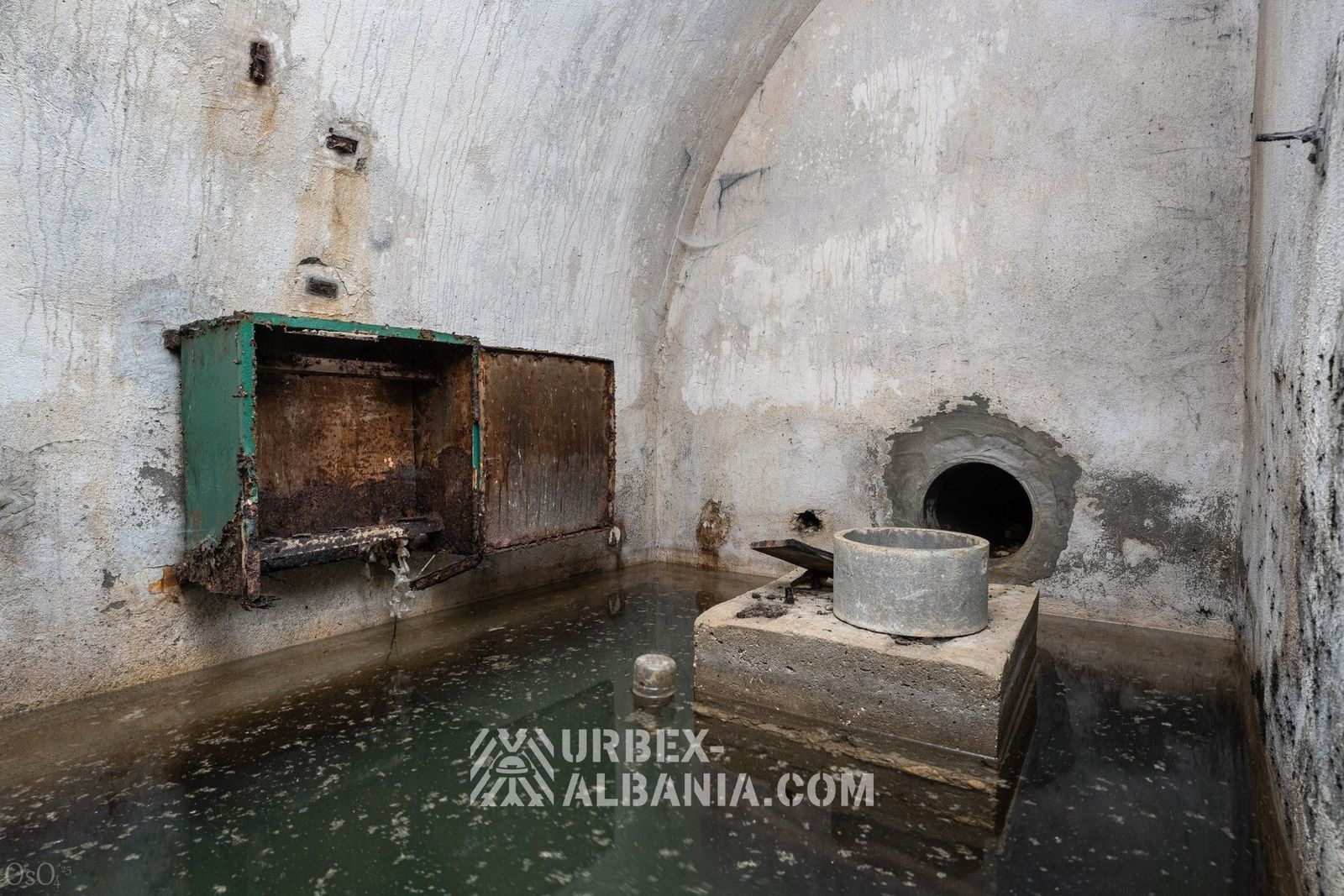
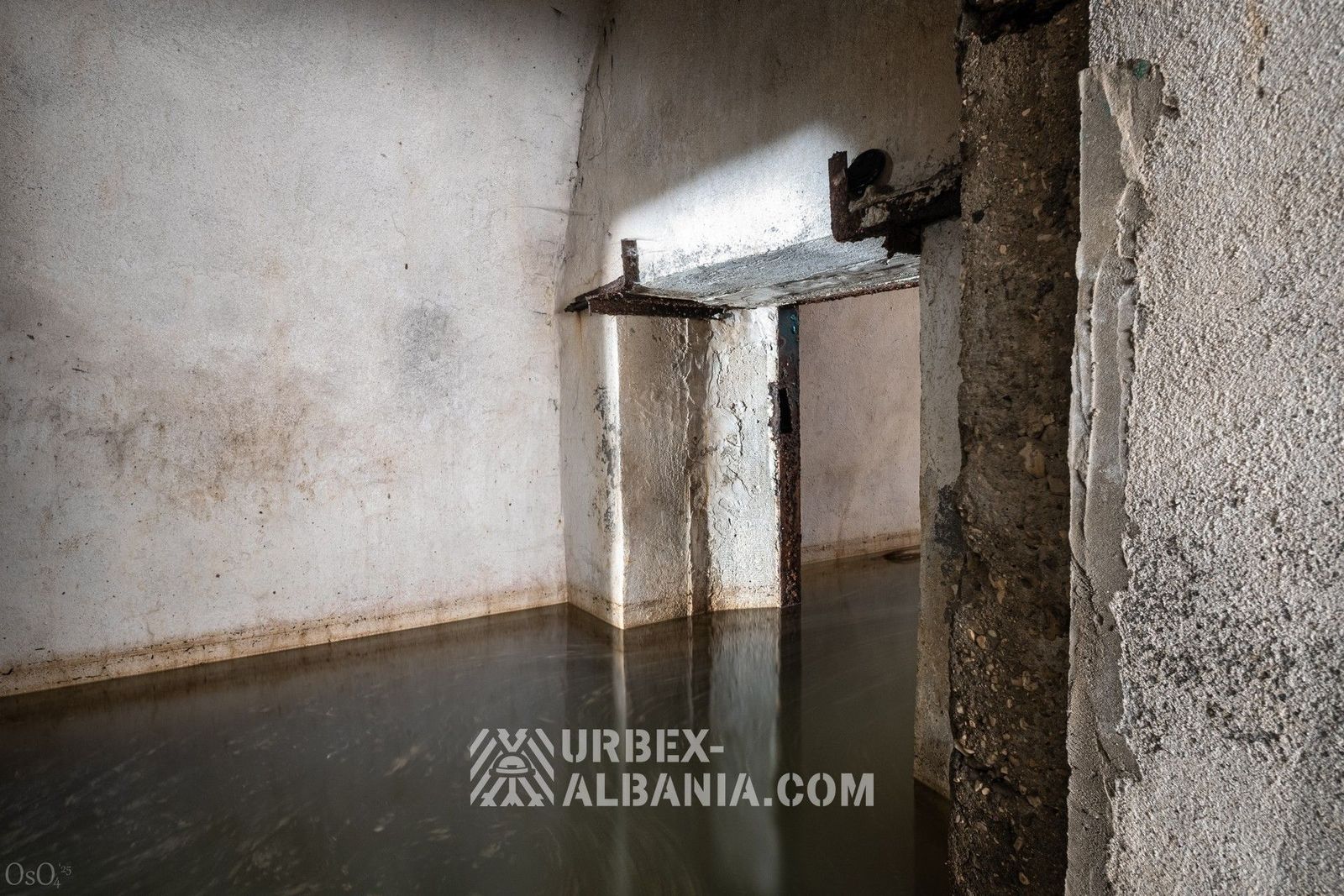
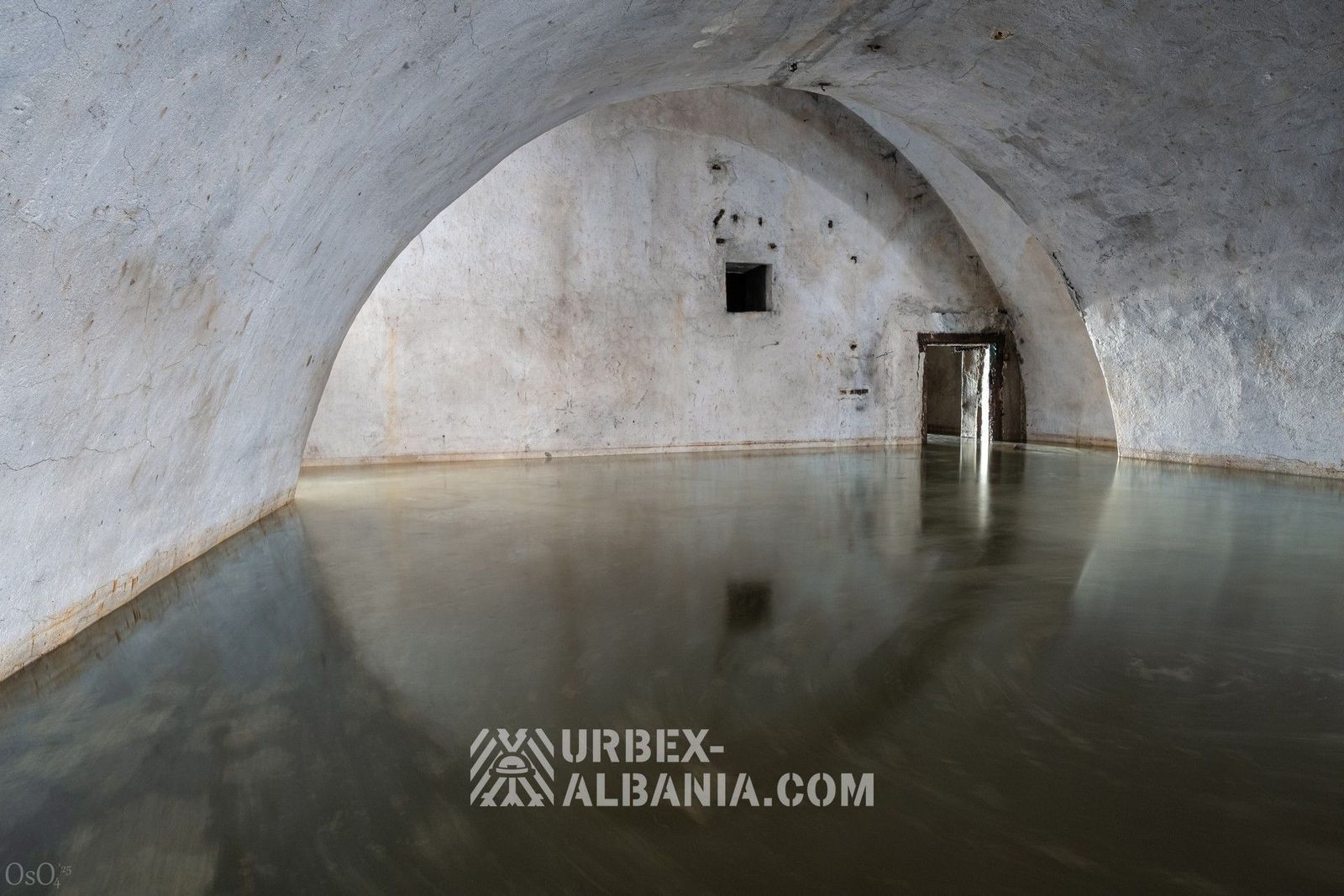
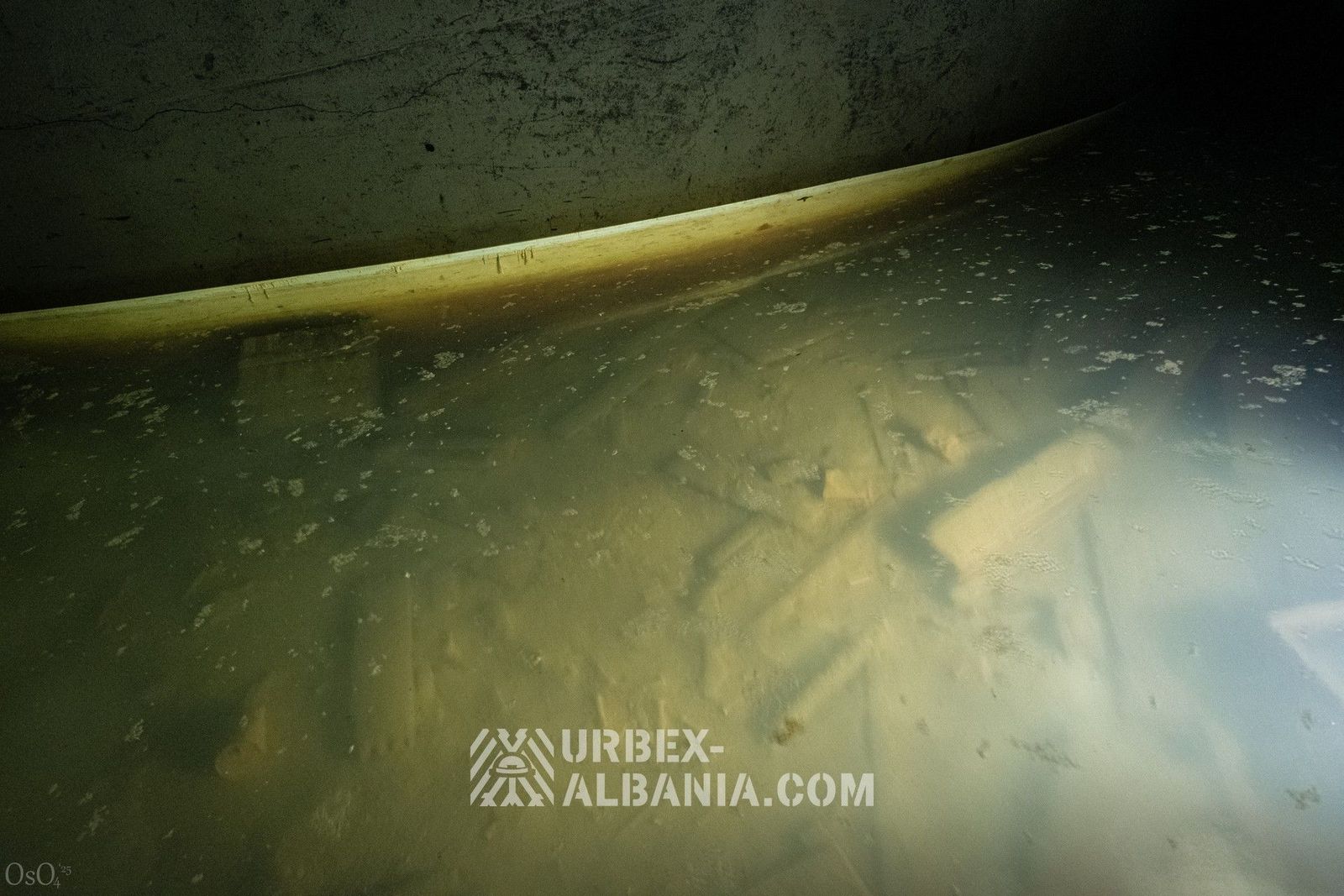
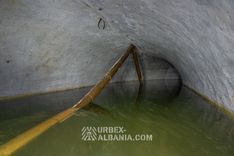
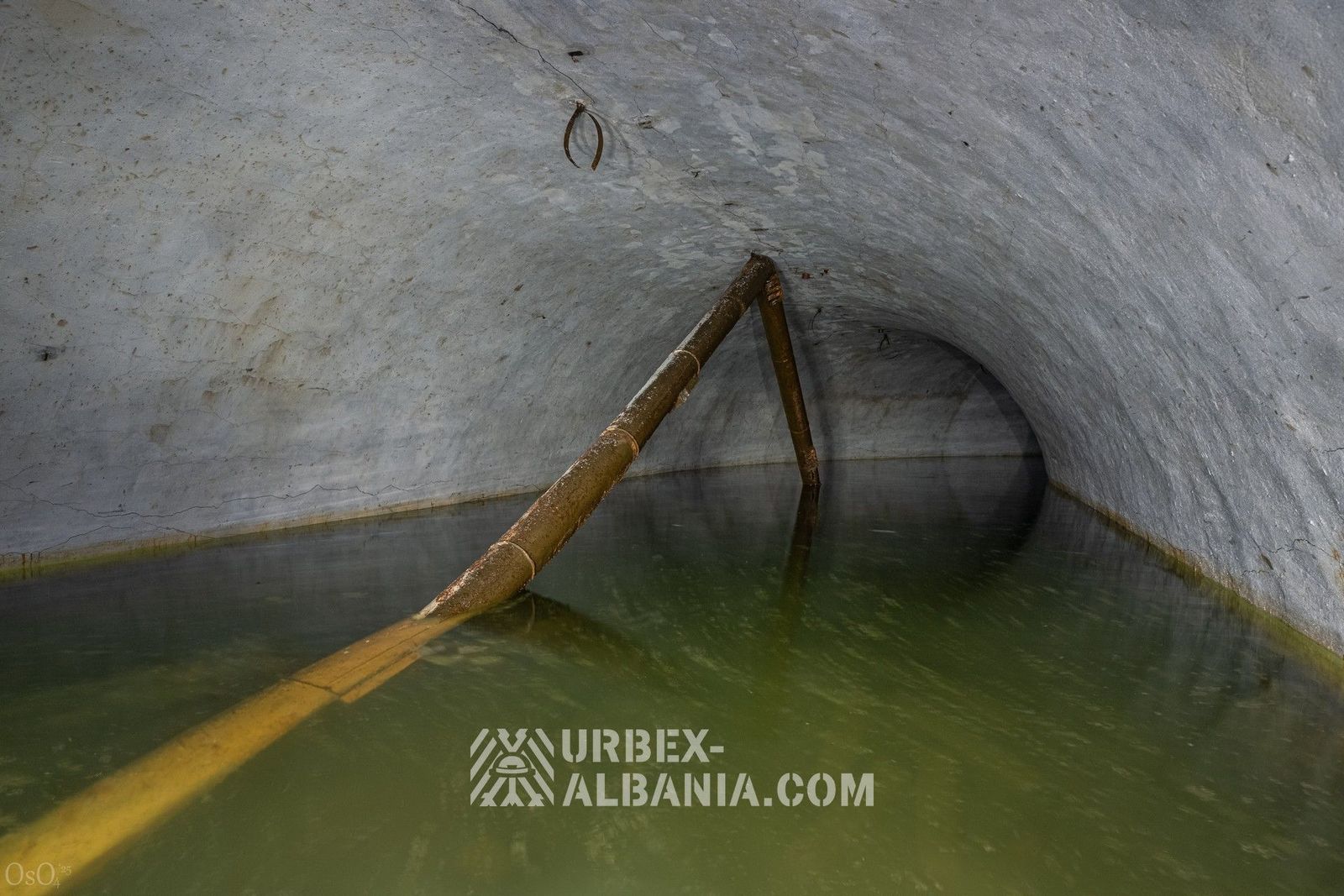
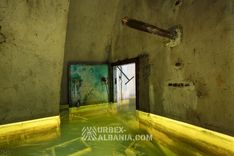
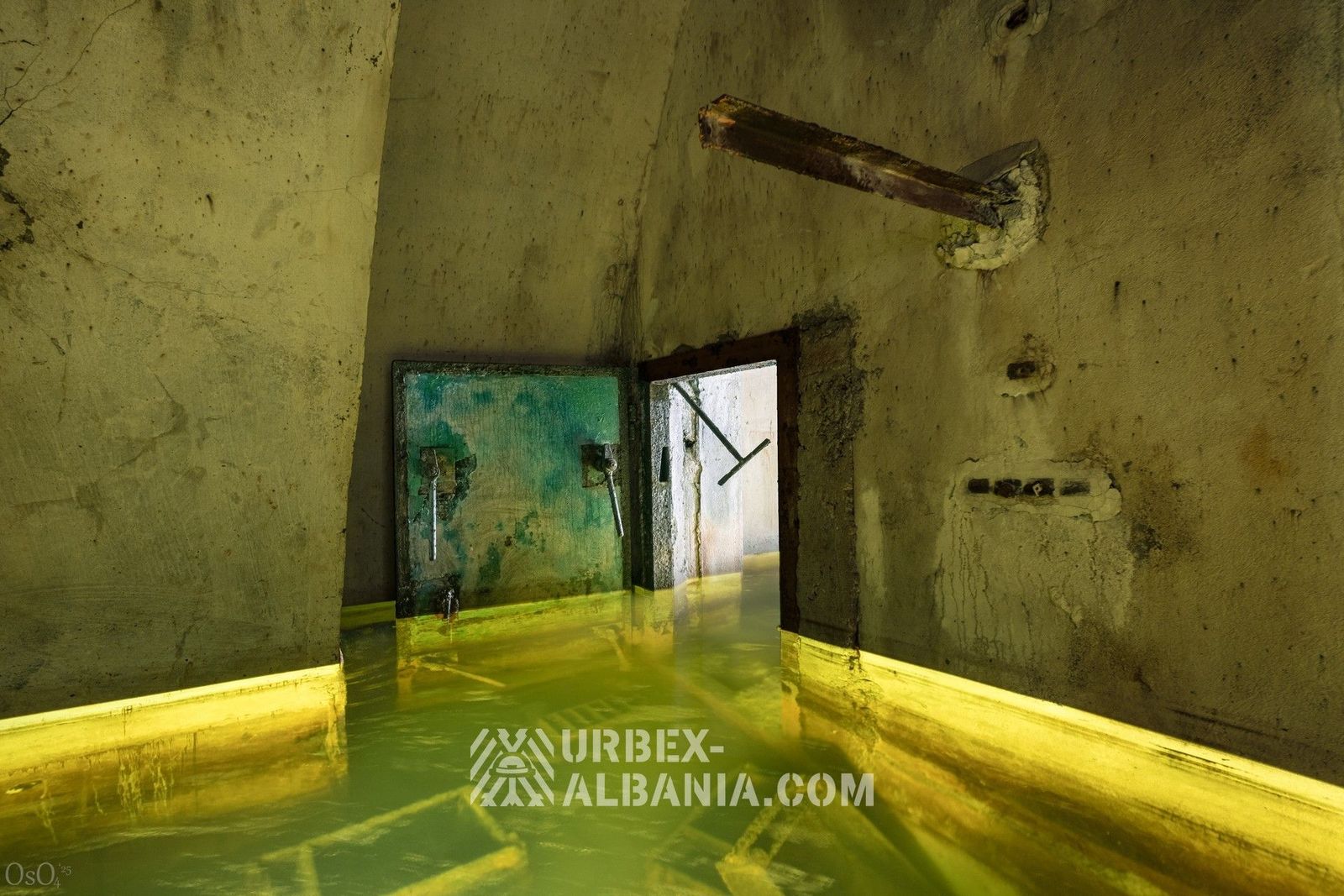
Both entrances to the horseshoe tunnel have been partially covered by soil that slid down the slope — one completely, the other roughly halfway. The soil acts as a dam holding back groundwater, so the horseshoe chamber is flooded to waist height. Hermetic doors and rusting ventilation ducts have survived. To all appearances the tunnel served as an ammunition store and was almost entirely looted during the chaos of the 1990s. Even so, after the plundering was done, rotting crates, rusty cartridges, decrepit Chinese shells and some kind of ebonite boxes were left behind — now all submerged.
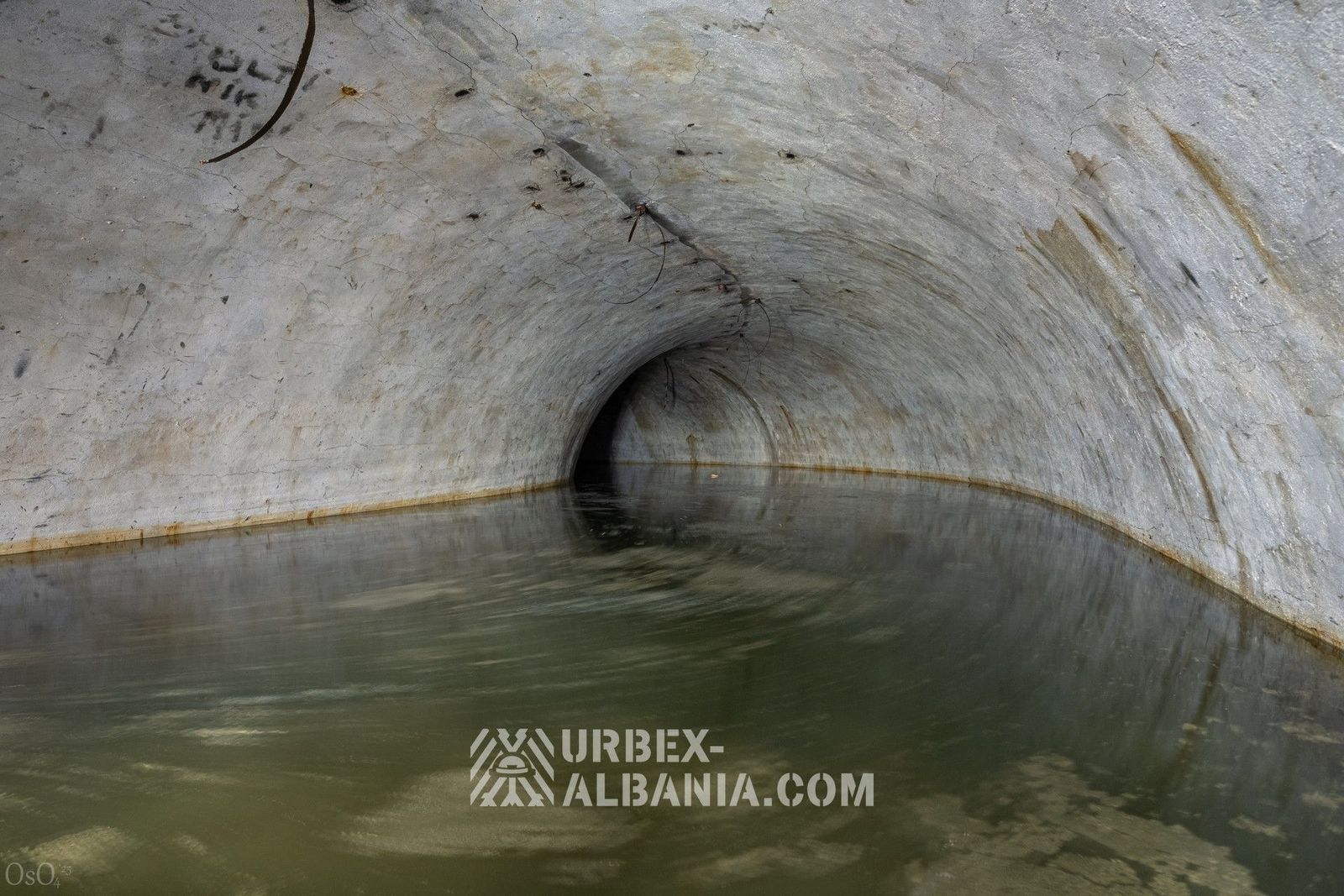
The water is clear (until you stir up the silt from the bottom) and quite cold. The unfinished tunnel has free access; water also seeps from it, and the ground outside is slightly boggy. Mineral solutions ooze from the rock face, leaving textured deposits on the floor and walls. The tunnel is tall and curves gently — it would probably have become another horseshoe had it ever been completed.
All the entrances are clustered close together, roughly twenty metres apart. Access to the tunnels is unrestricted, provided you don’t mind liquid and thorny plants. A car repair shop stands nearby; its workers may watch your escapades with complete indifference.