

Your Check-in Was Decayed
Premium content is available for this article. To read it, unlock the associated location:
A sanatorium with a hydrotherapy wing, built almost a hundred years ago, which outlived a kingdom and socialism, was abandoned in 2020.
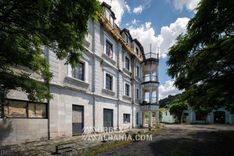
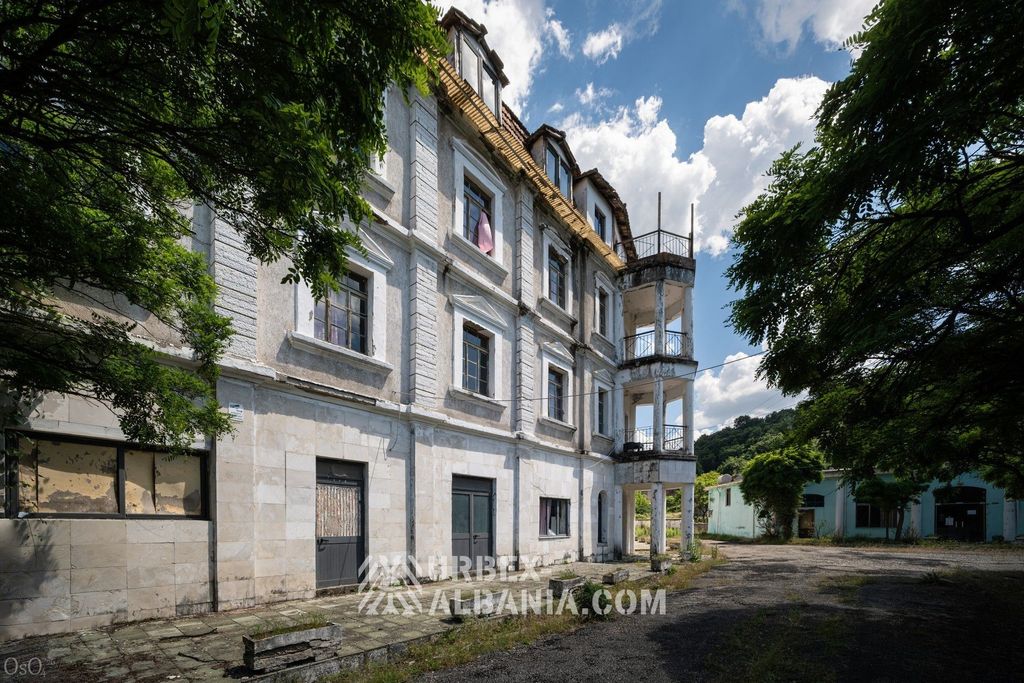
The bath house
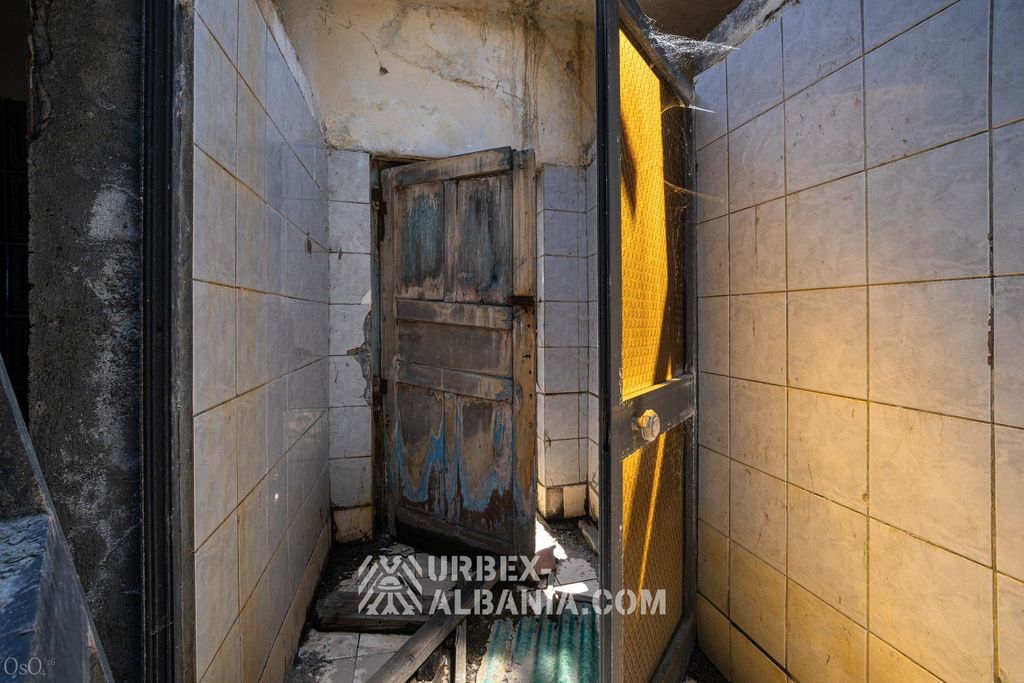
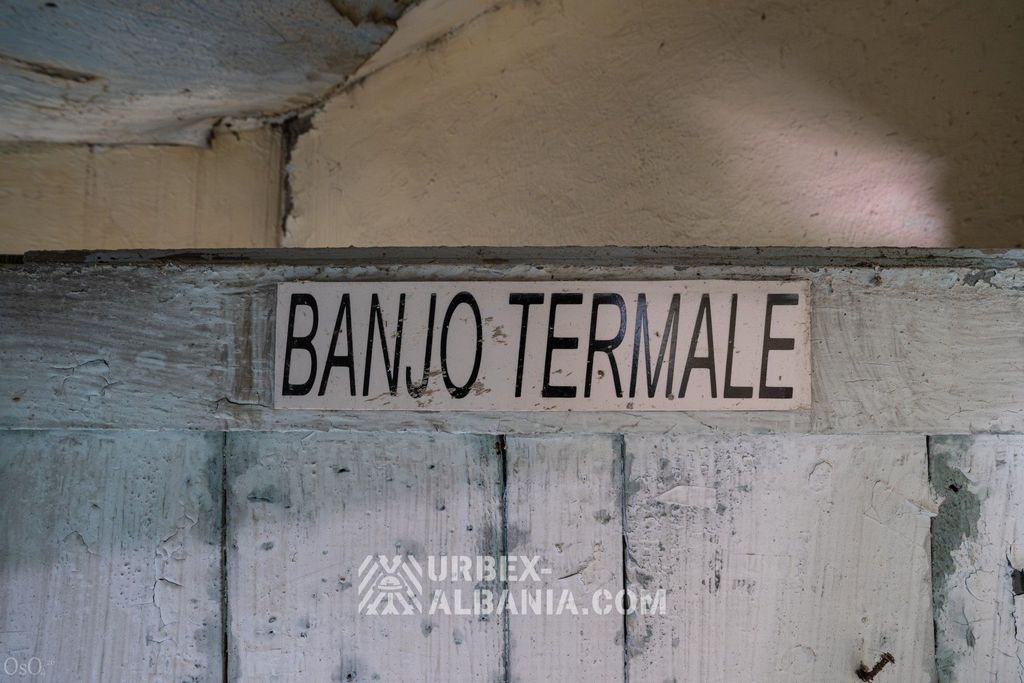
2. We get in through a door warped by age and damp. We are in the bath house.
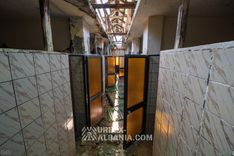
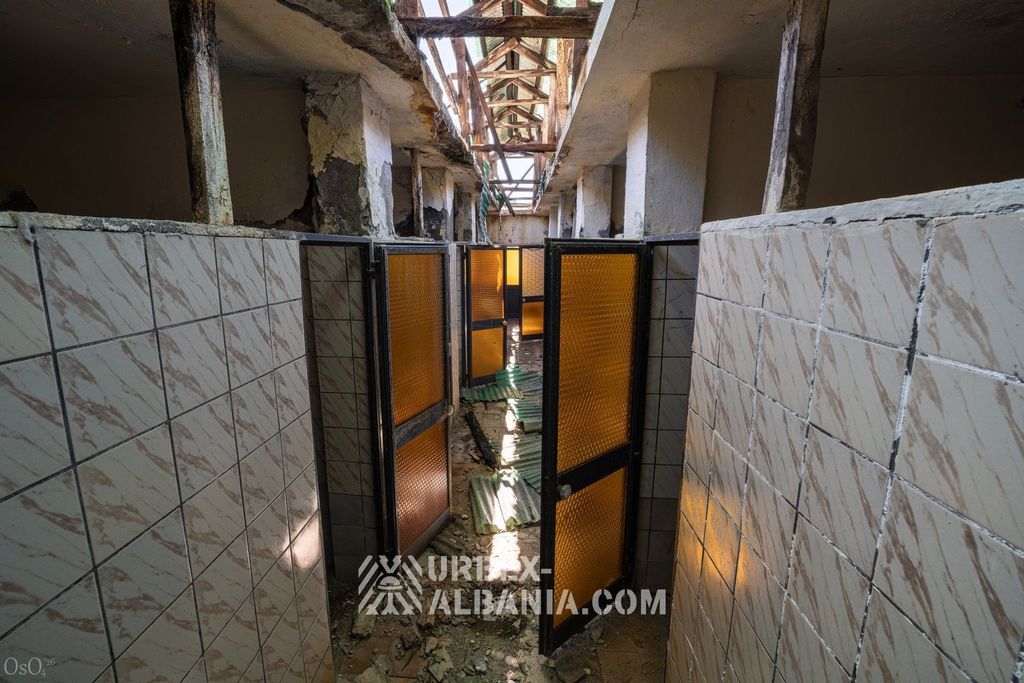
3. Before her bath, a granny who had come to the sanatorium would visit the doctor’s office, where her blood pressure was taken, her complaints were heard out, and she was told how many minutes in a hot sulphur bath she was allowed today.
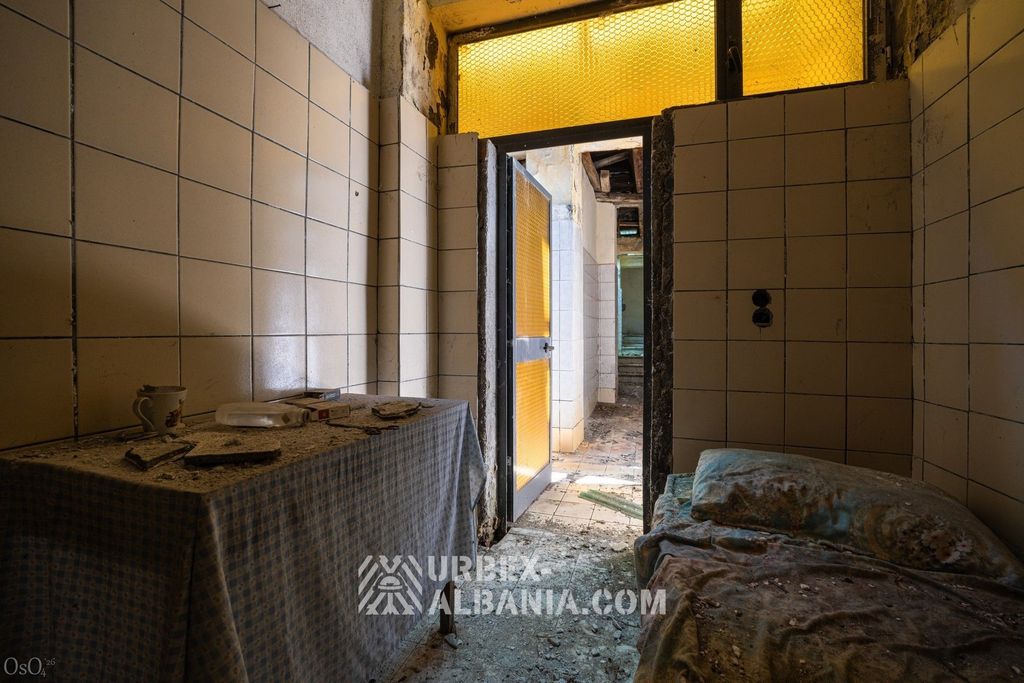
4. The granny would pick a cabin, open the taps and lower herself into the tub.
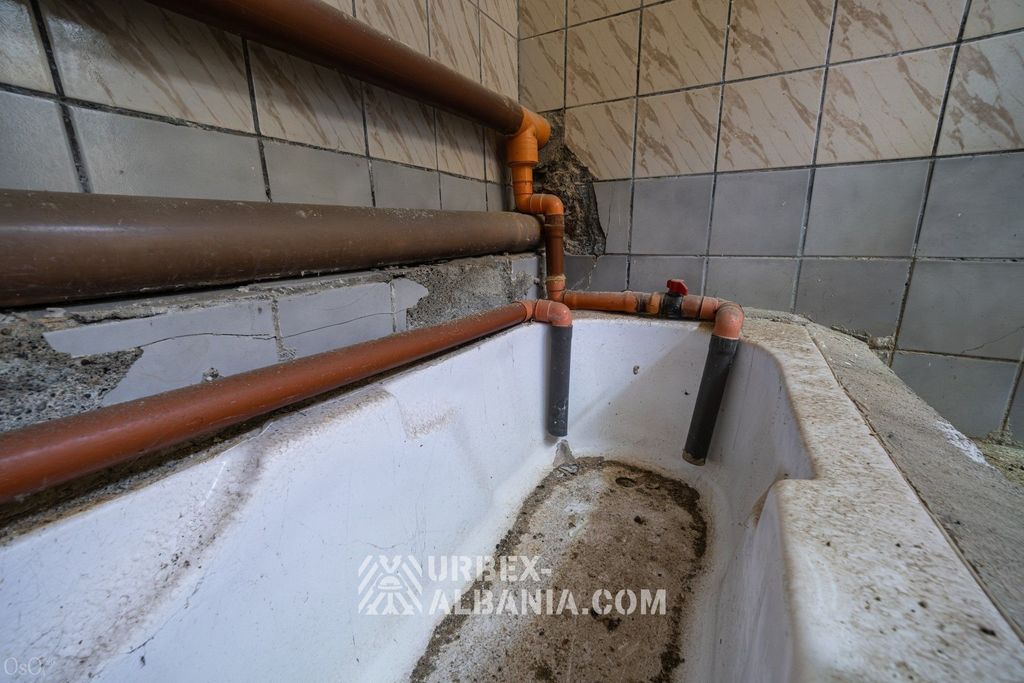
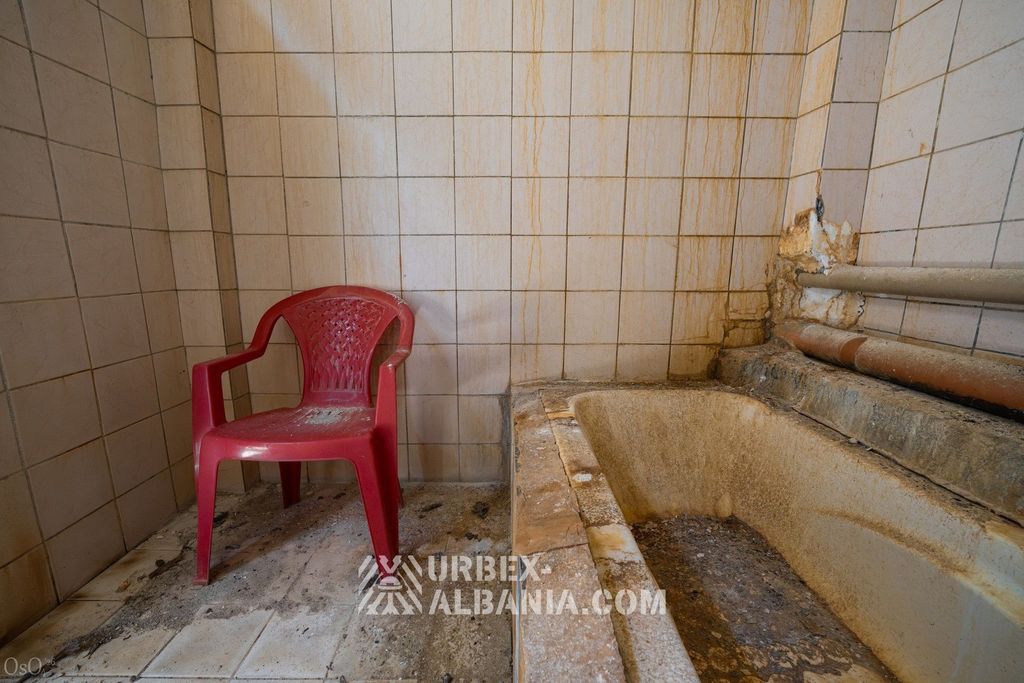
5. With a bit of luck you could get a monumental tiled tub.
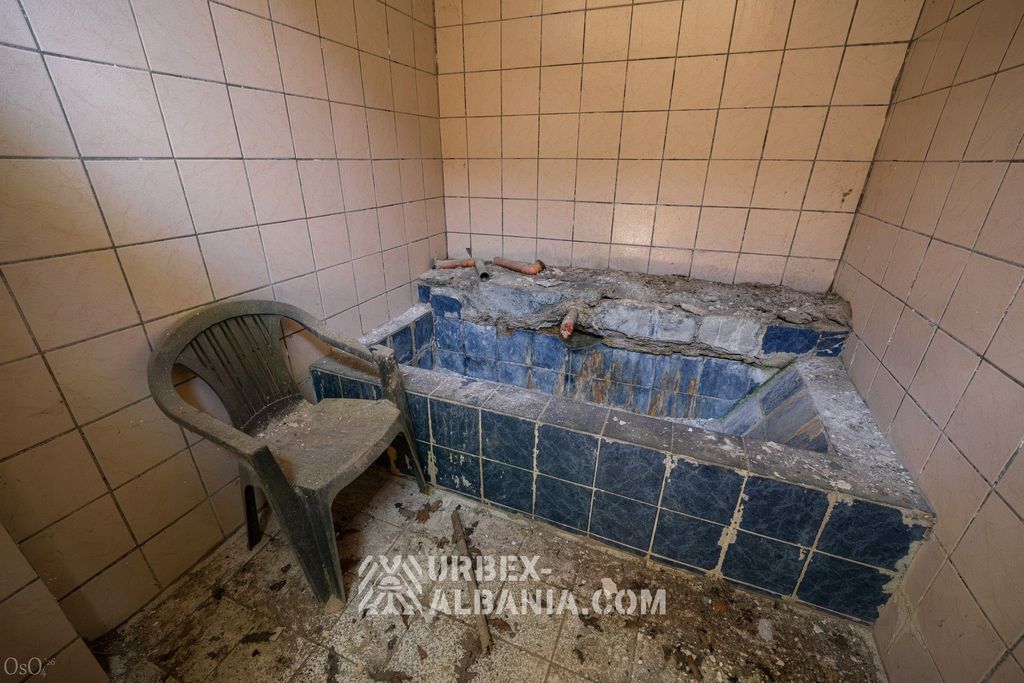
6. Or even an antique ceramic one. It seems to have survived here since the sanatorium was founded.
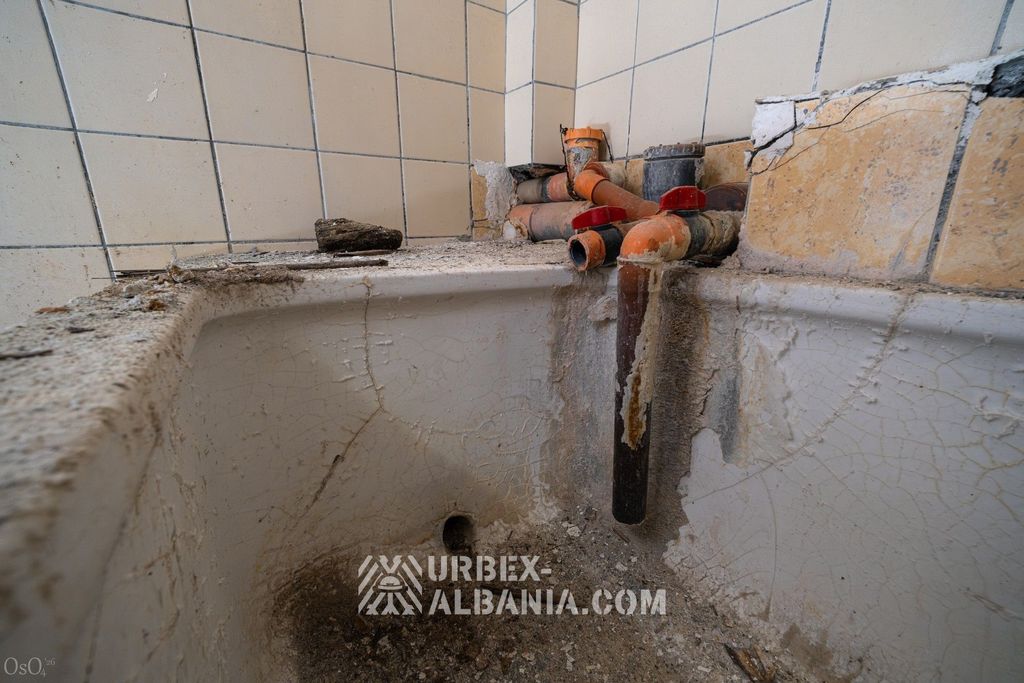
7. At the bottom of the tub.
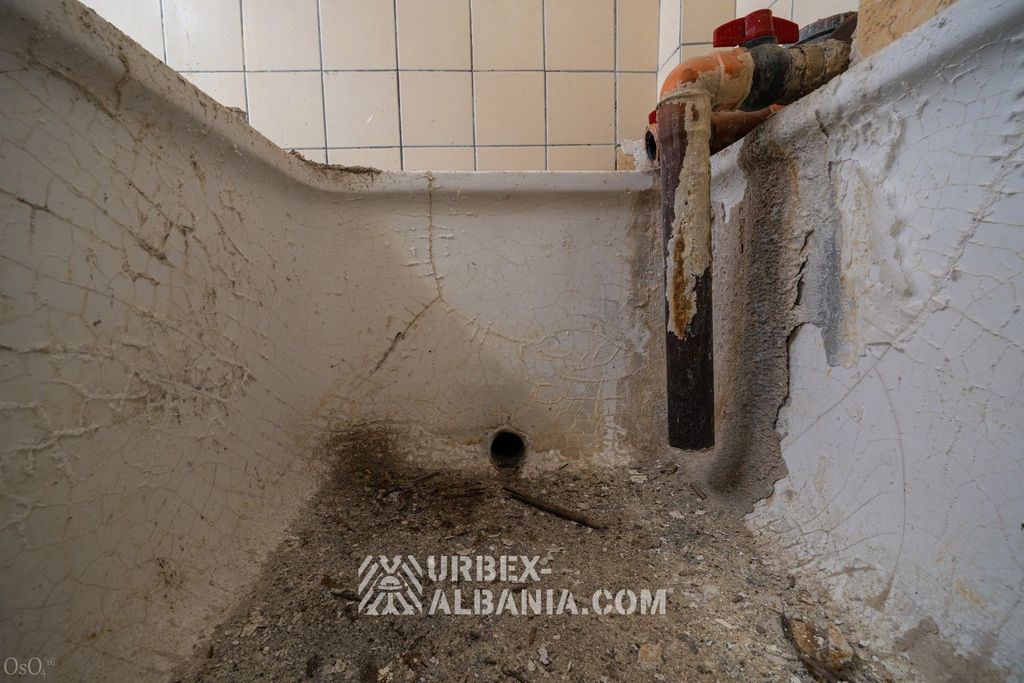
8. The cabins have taken on a handsome coat of decay and stains.
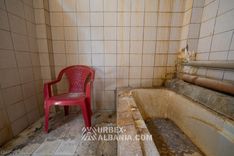
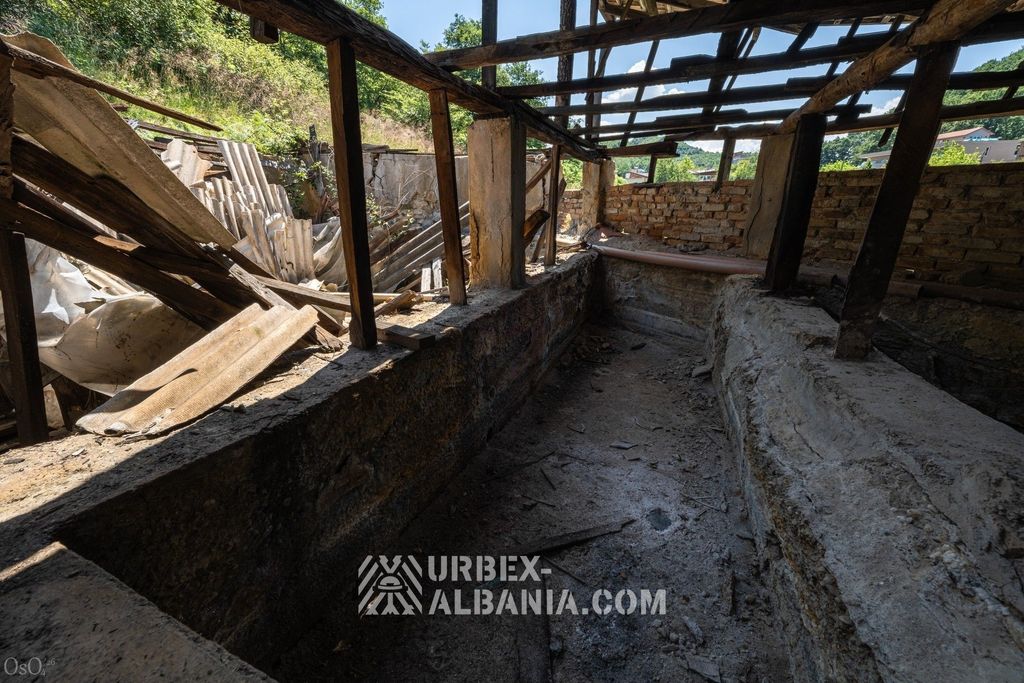
9. At the end of the building sit the tanks that served the sanatorium; they were filled with hot water from the borehole. The roof gave way and collapsed.
10. Cheap new plastic doors sit next to the old ones, probably the originals.
11. The royal bath. The whole room is finished in handsome tilework.
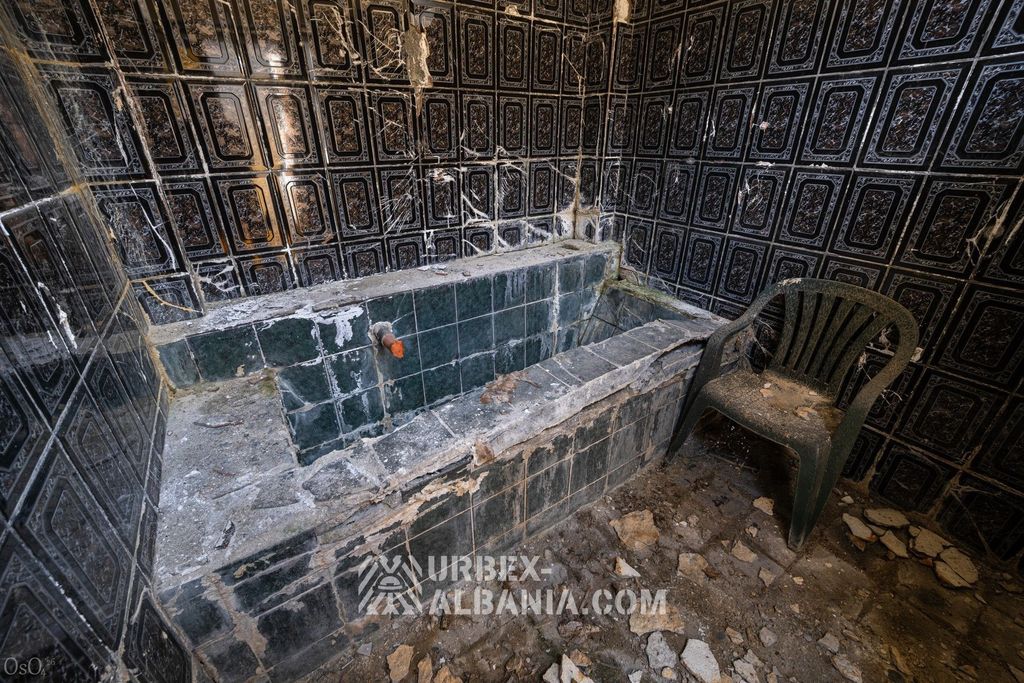
12. Even the pipes here are hidden inside the wall instead of running ugly along it.
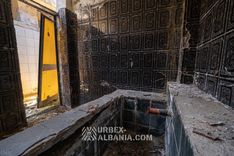
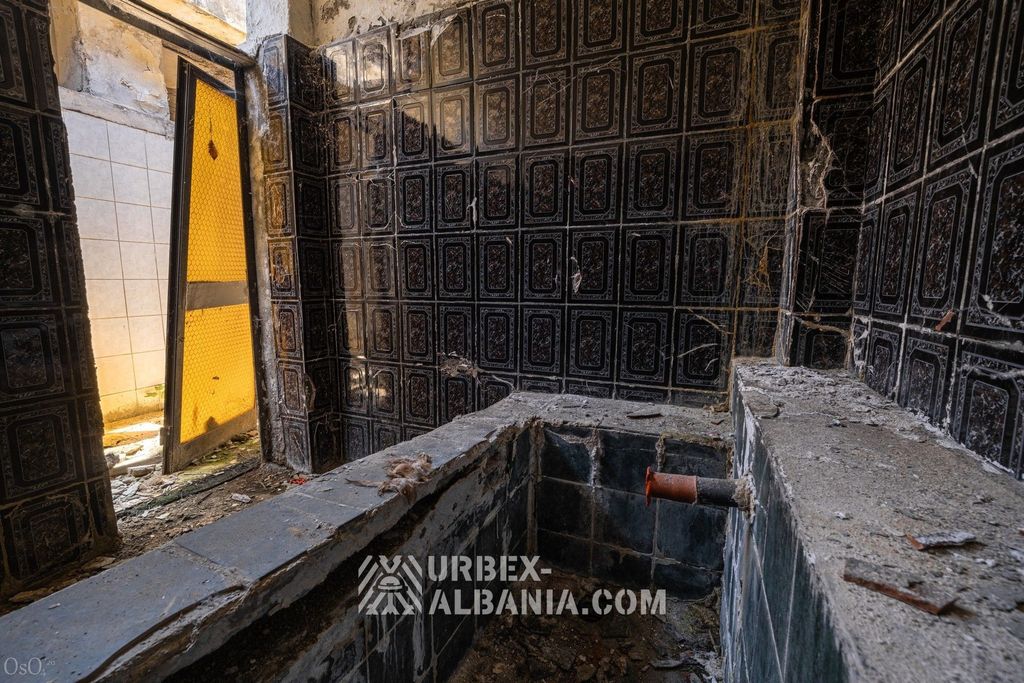
13. There are some thirty or forty cabins in all.
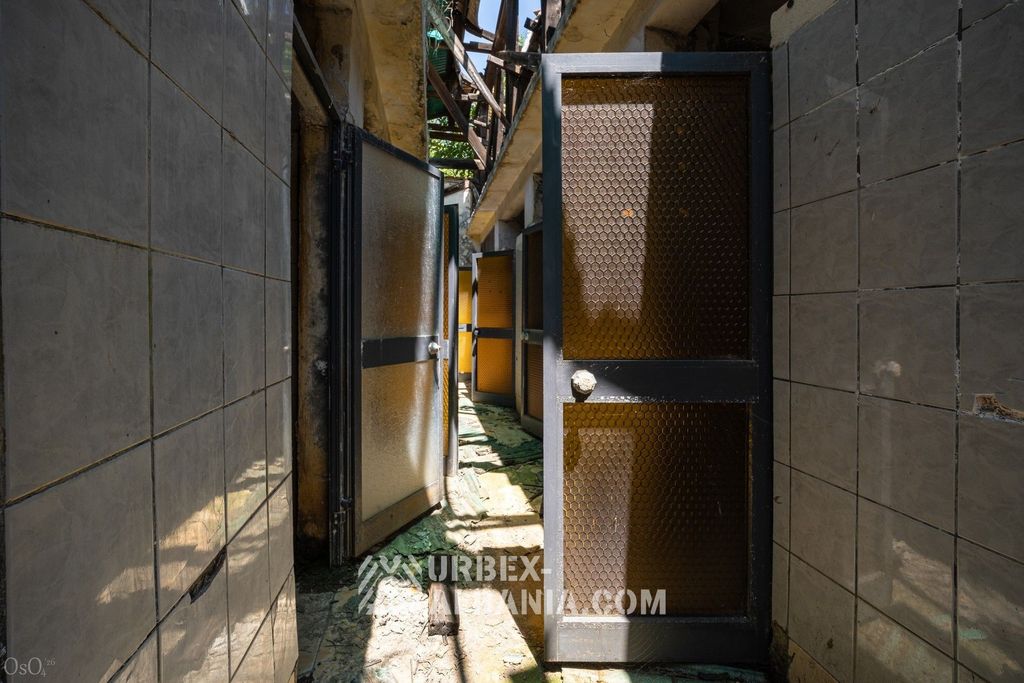
14. There are double cabins too.
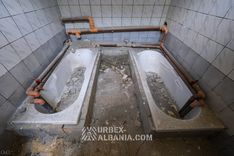
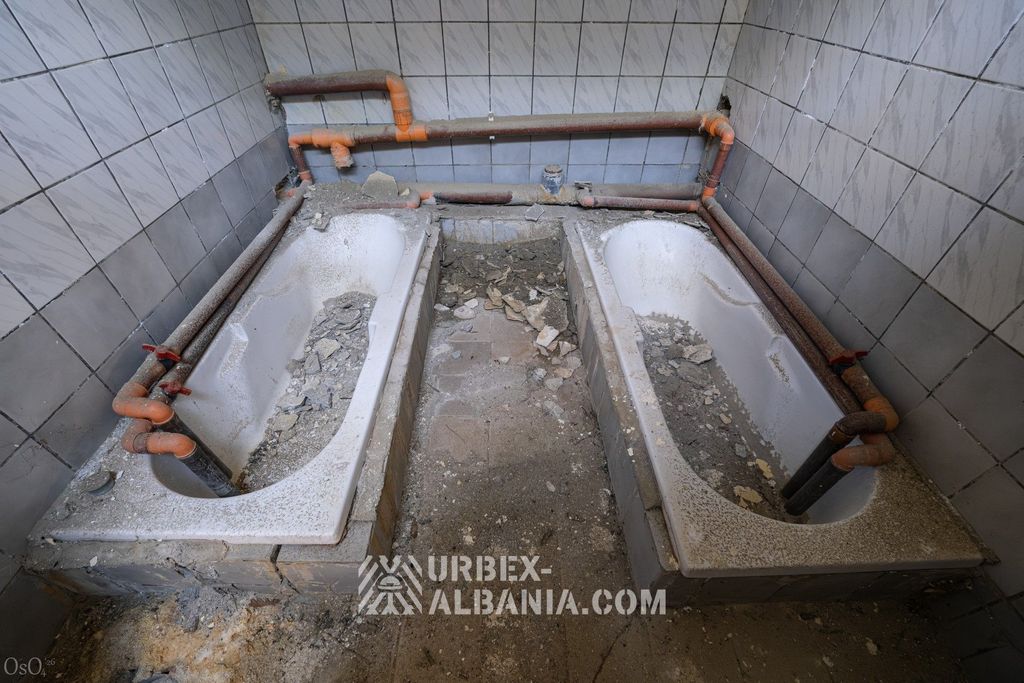
15. You could soak in pairs.
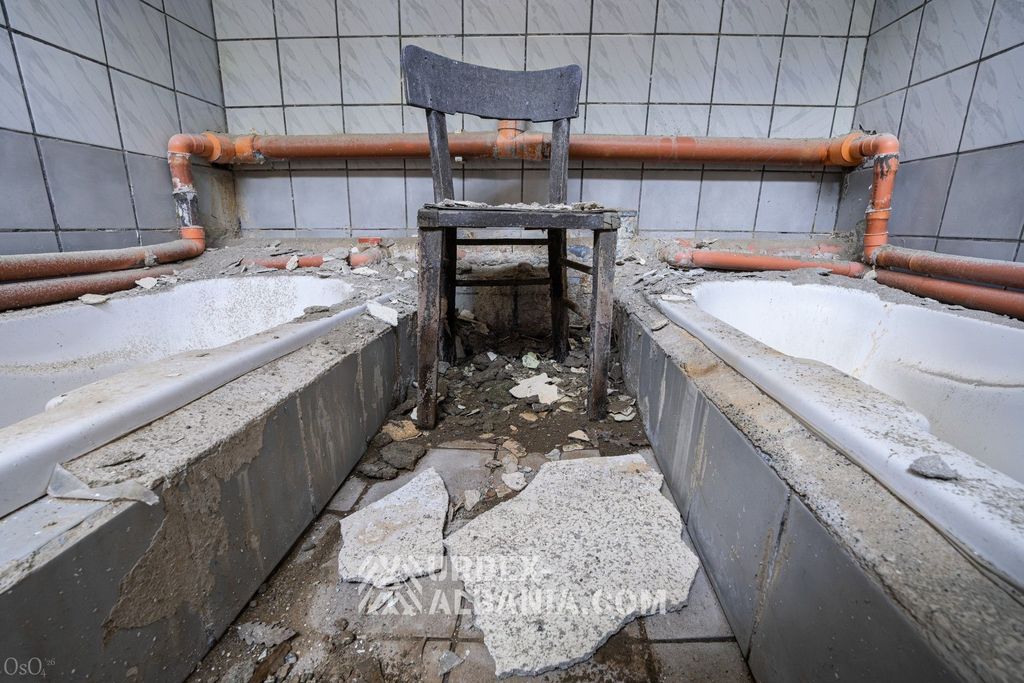
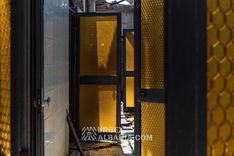
16. Playing with the light.
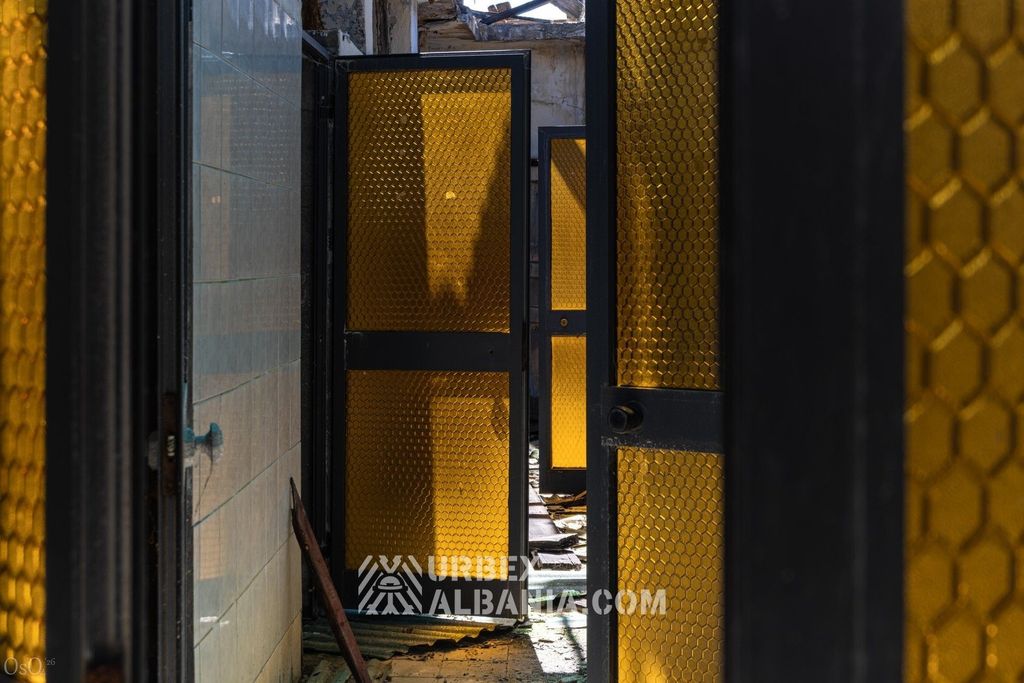
17. The attendant’s chair by the exit.
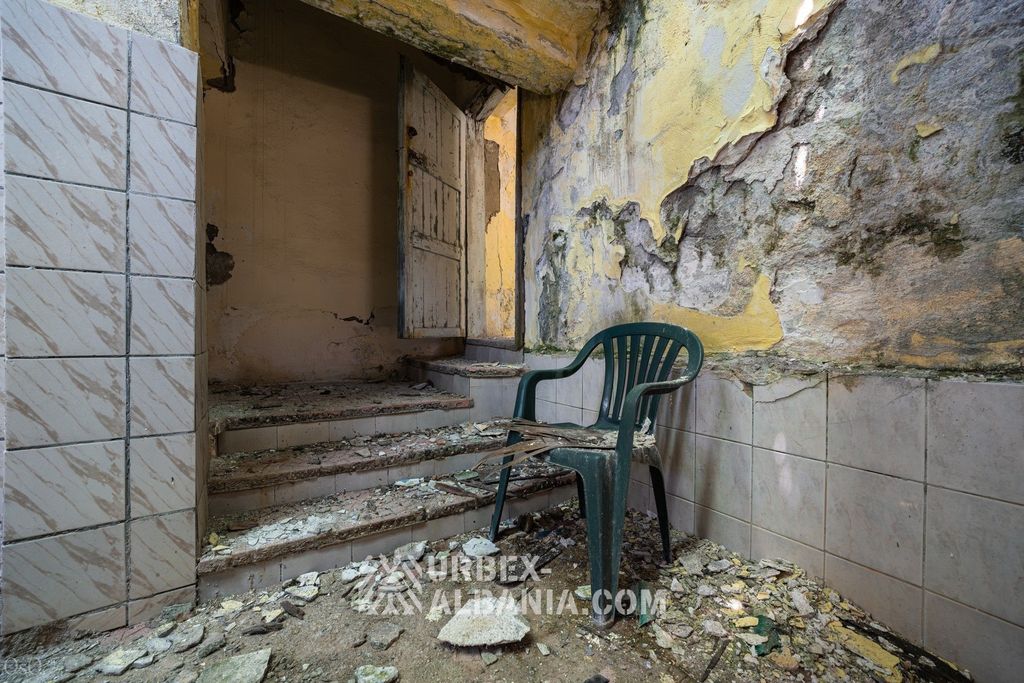
18. The voices in my head remind me to beware of the swamp beasts. Points to whoever gets it.
The rooms
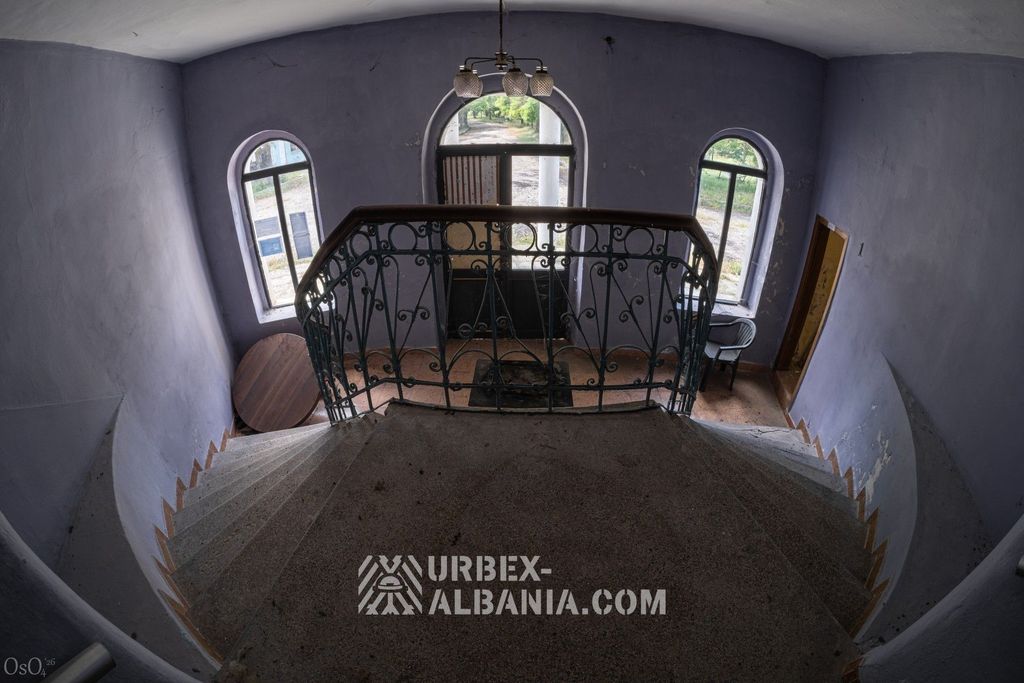
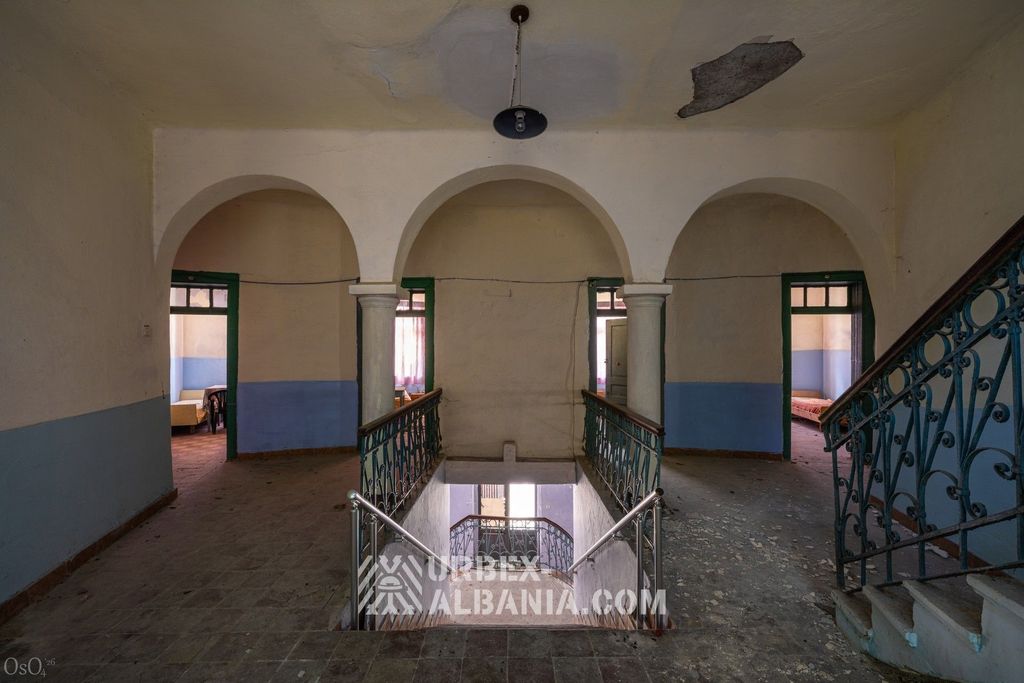
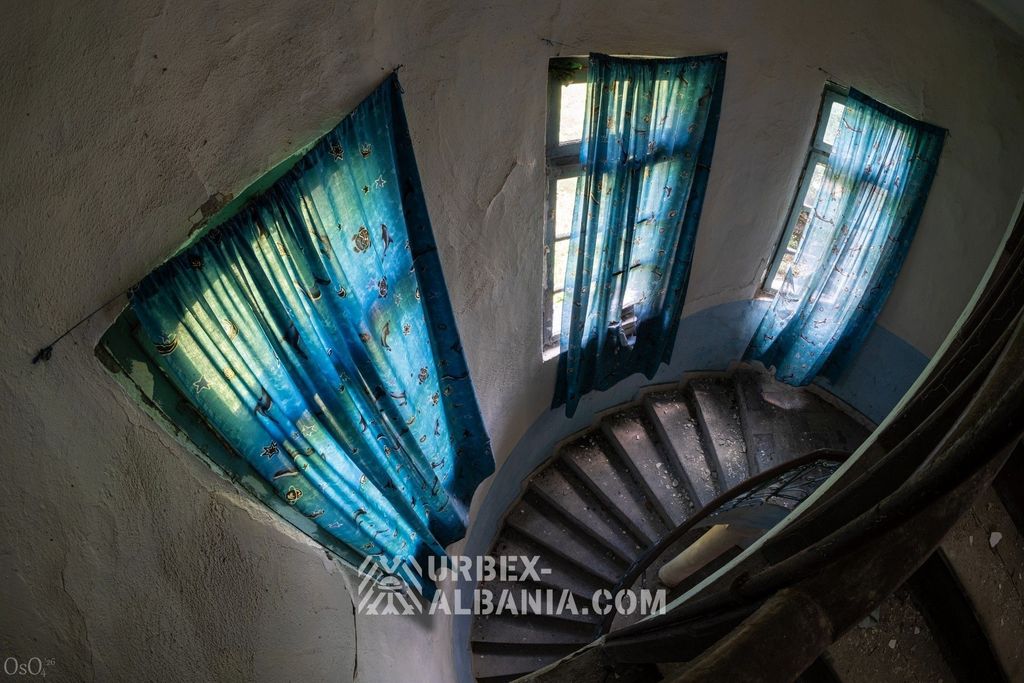
19. We step into the main block of the sanatorium. An almost symmetrical curved staircase.
20. The nurses’ station.
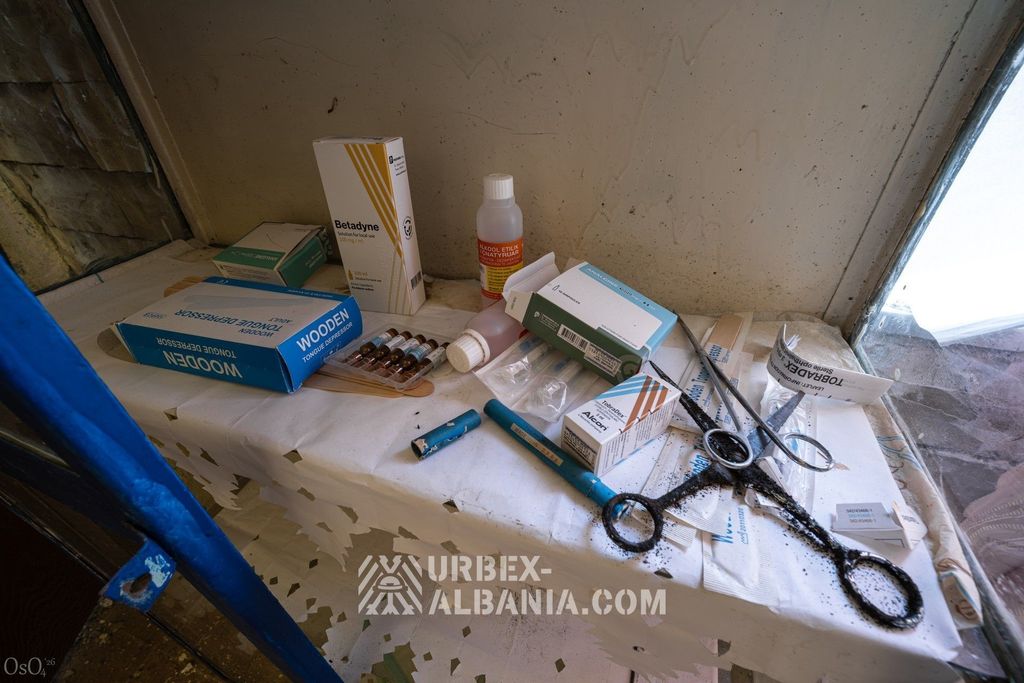
21. A unique artefact has survived in the cabinet: a thermometer from North Korea!
22. The main hall.
23. We walk into the first room and see the reason the hotel closed straight away: it did not survive covid. A pack of medical masks from 2020 lies on the table.
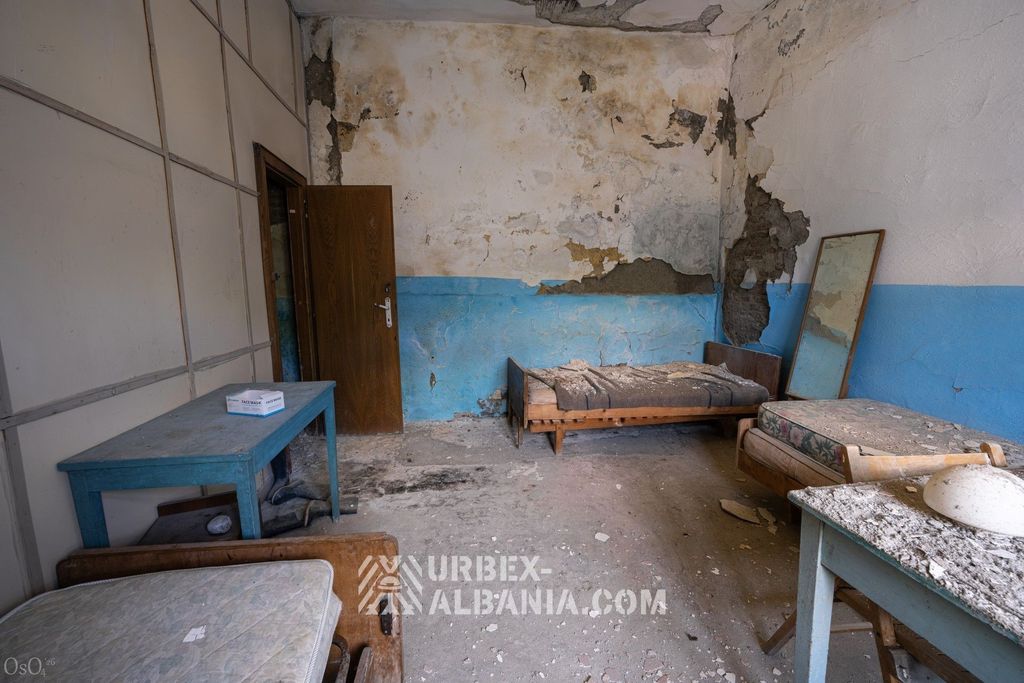
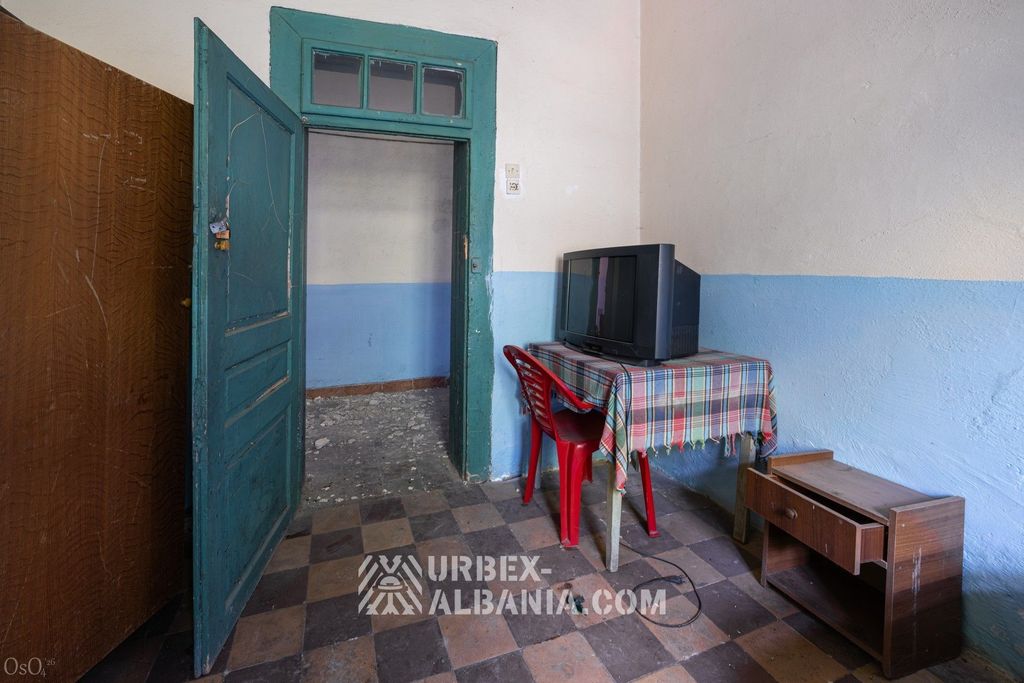
24. In six years the hotel has begun to rot away.
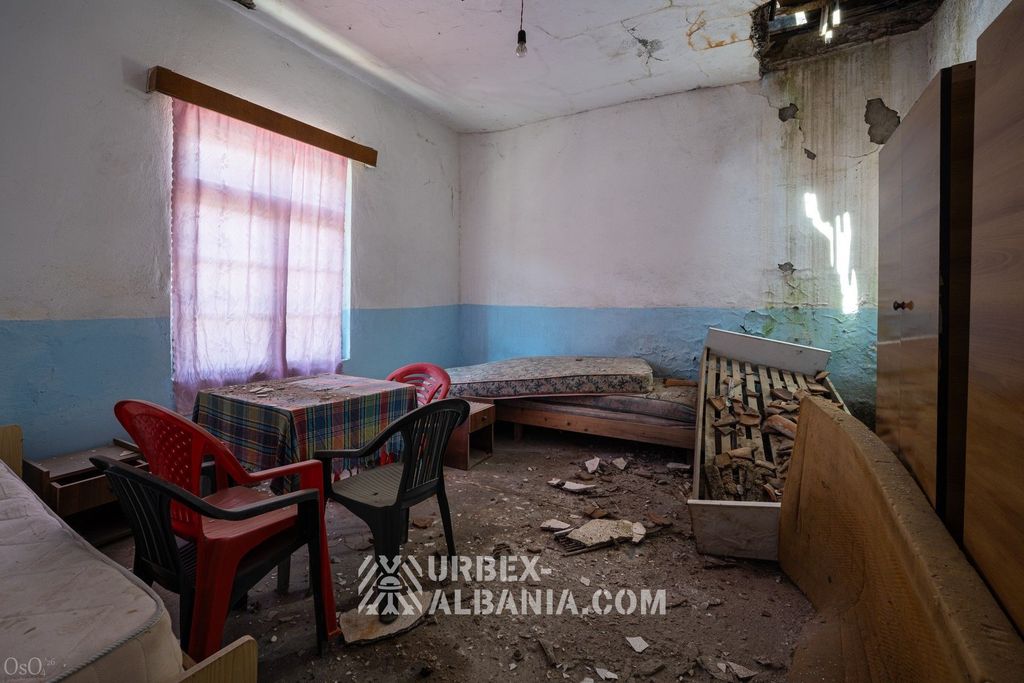
25. I notice a serious drawback: the rooms have no bathroom. There is nothing in them but furniture.
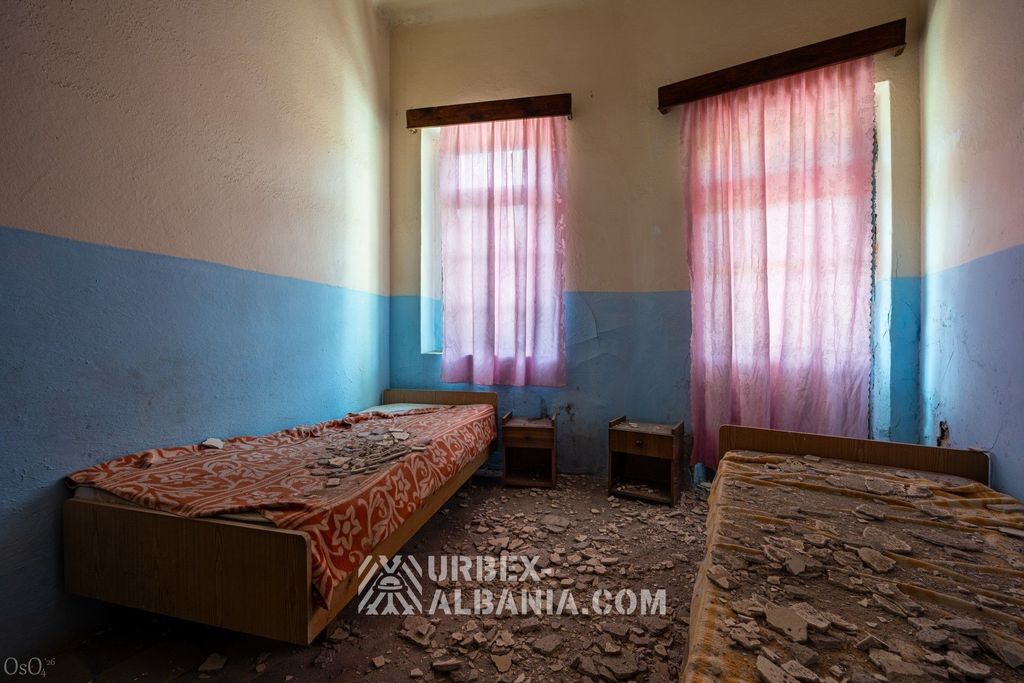
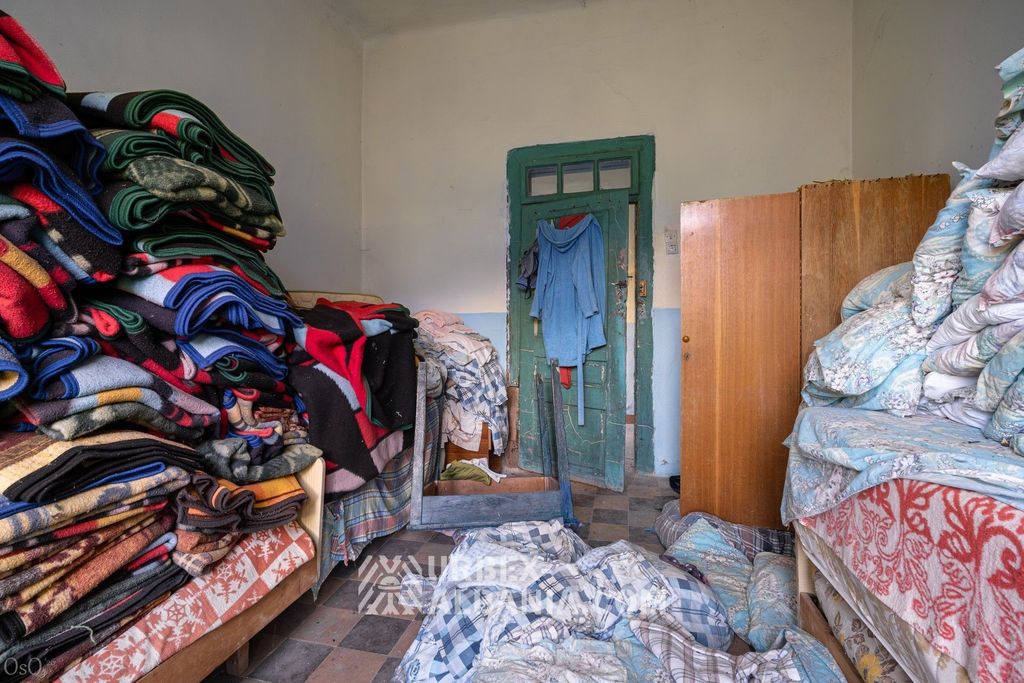
26. The toilet is shared by the whole floor. When the place opened that was of course acceptable, but by our time it was a serious drawback that cost the hotel against its competitors.
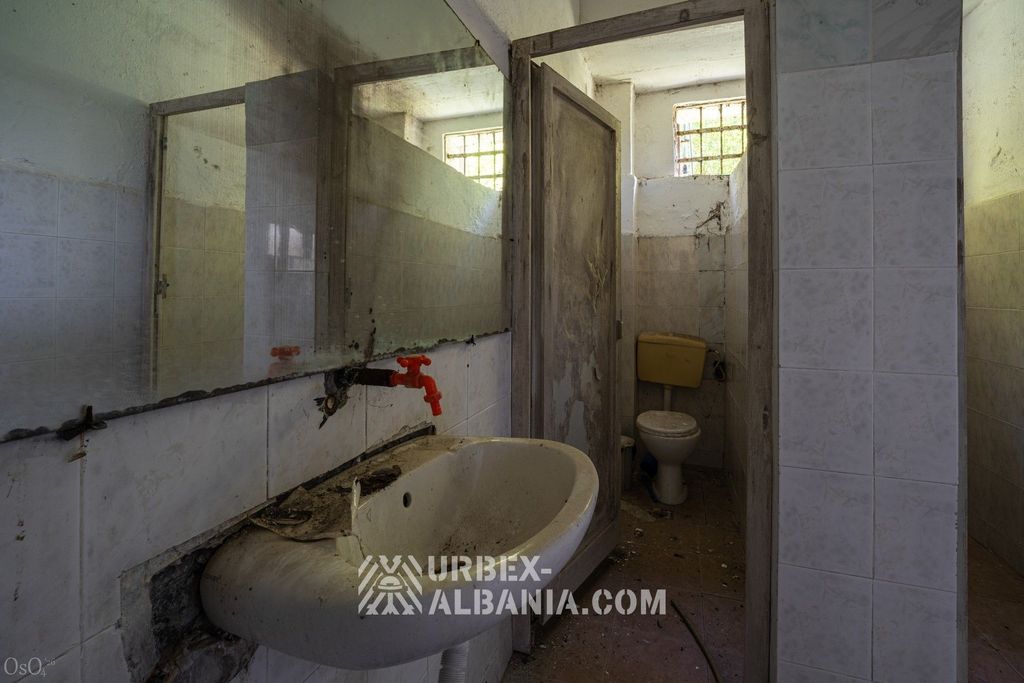
27. Very modest old interiors. The hotel ran without a single modernisation right to the end.
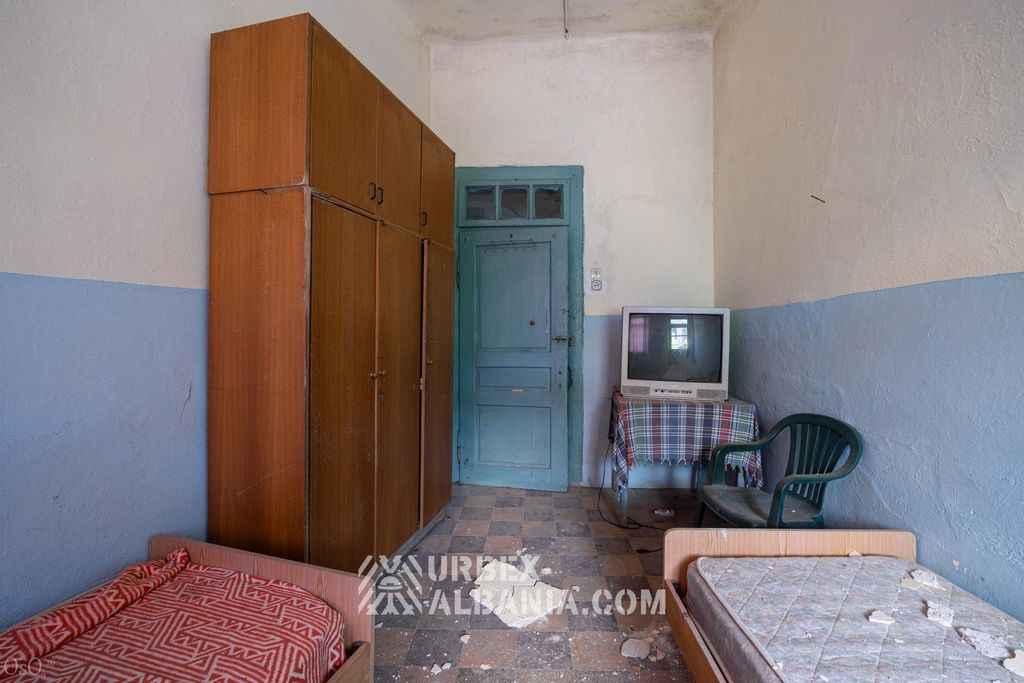
28. The television — the only entertainment in the room.
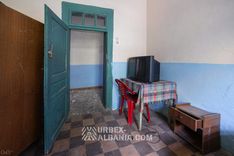
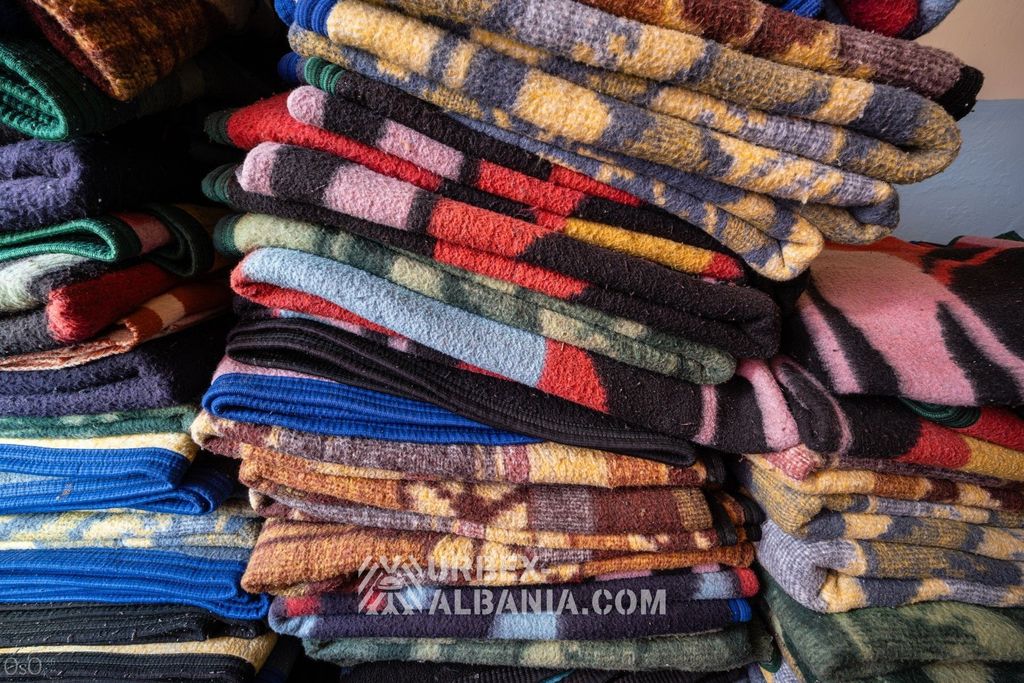
29. The last room holds a store of blankets and bed linen.
30. A stack of blankets.
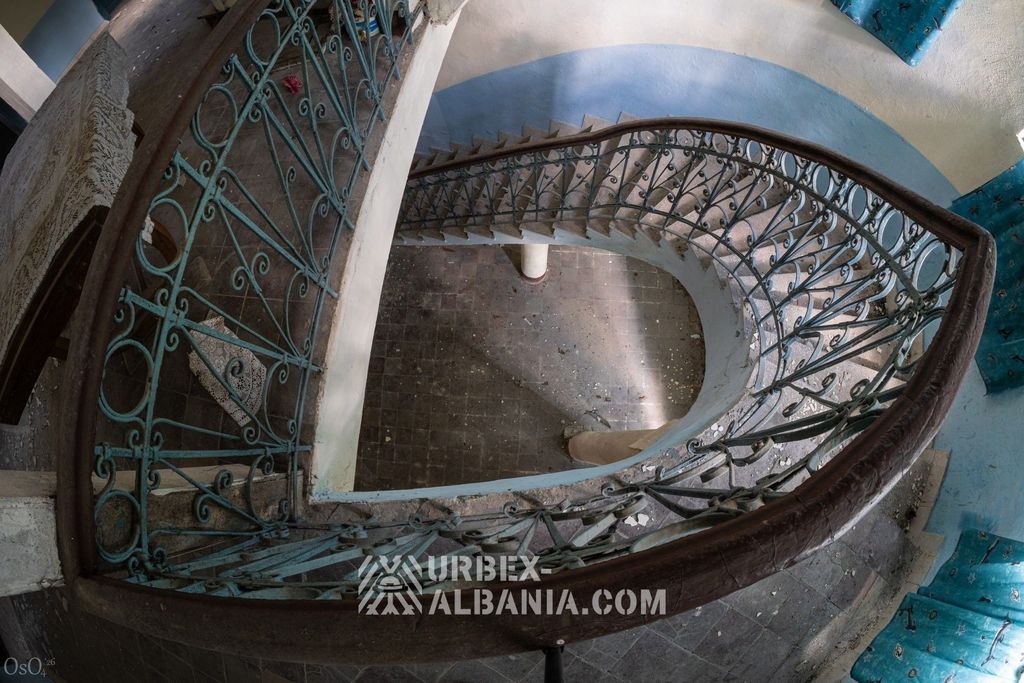
31. We climb the handsome staircase.
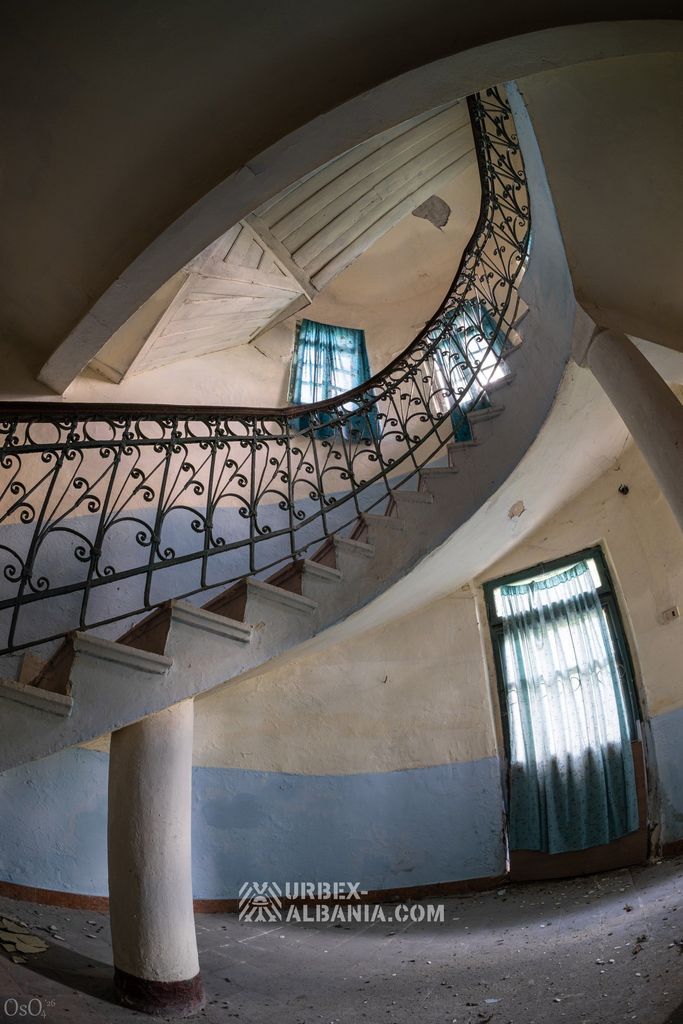
32. A century-old wrought-iron balustrade.
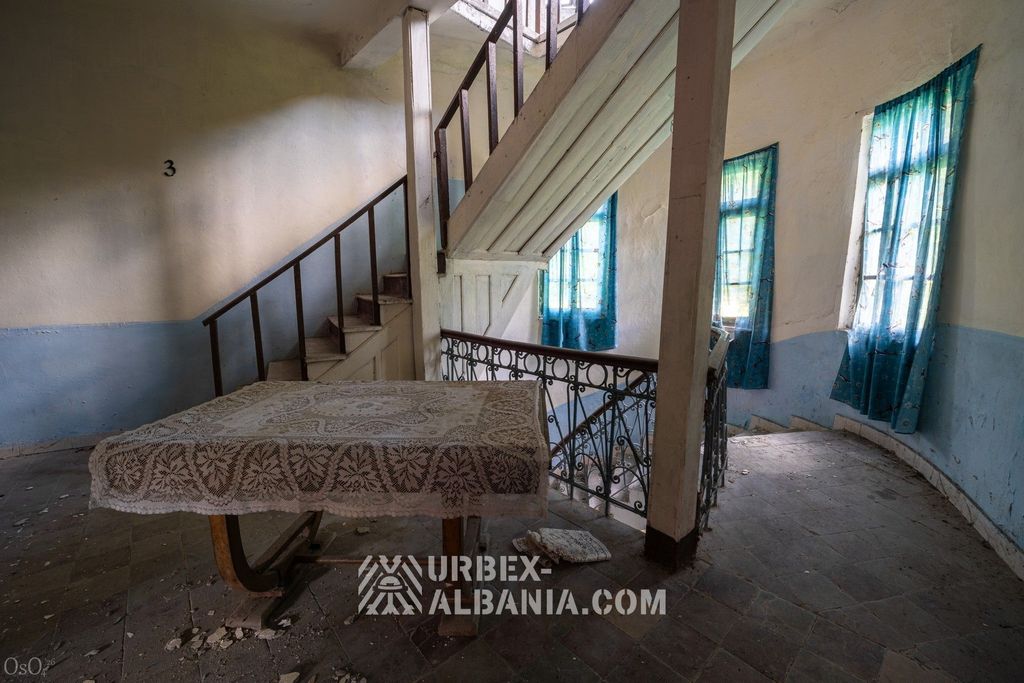
33. A table with granny’s tablecloth.
34. More rooms.
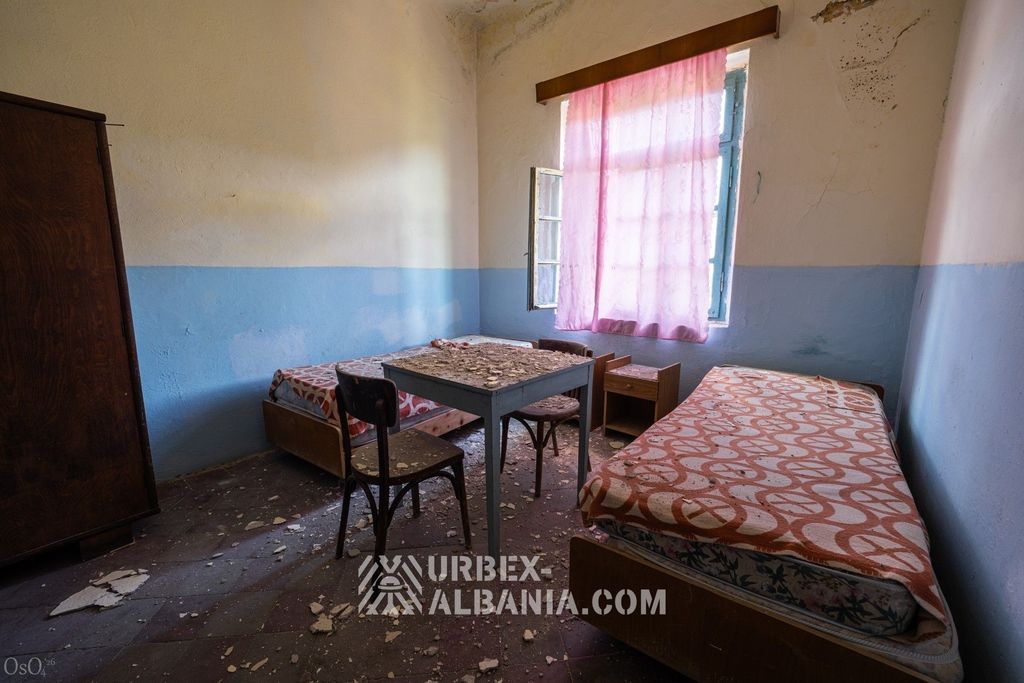
35. There are even rooms for three.
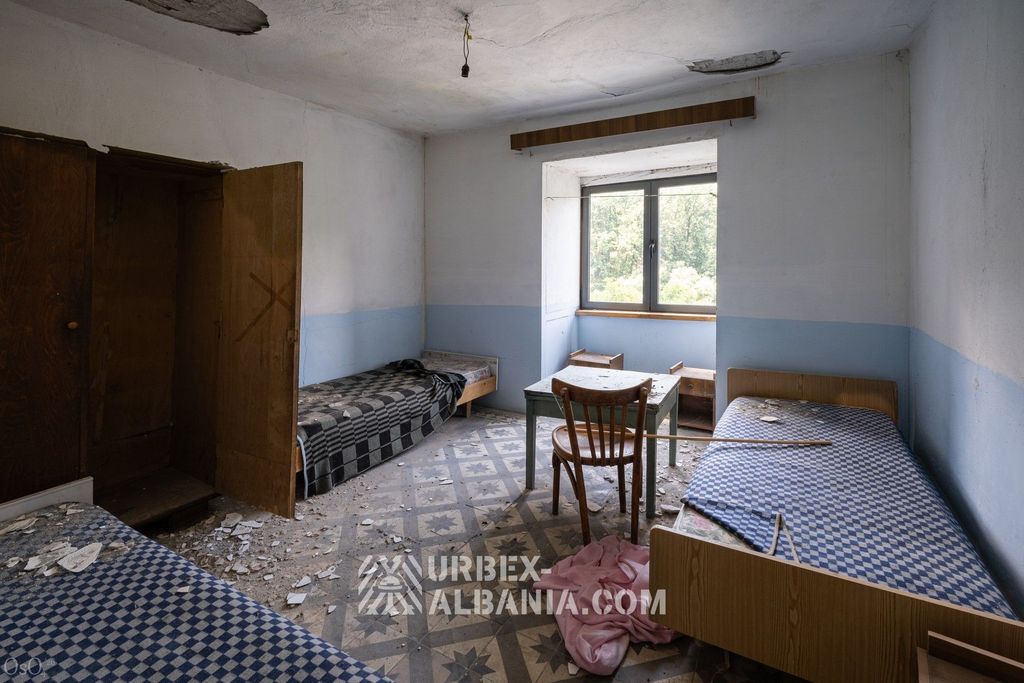
36. We go up to the third floor.
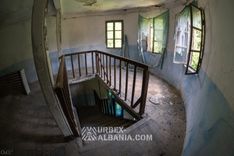
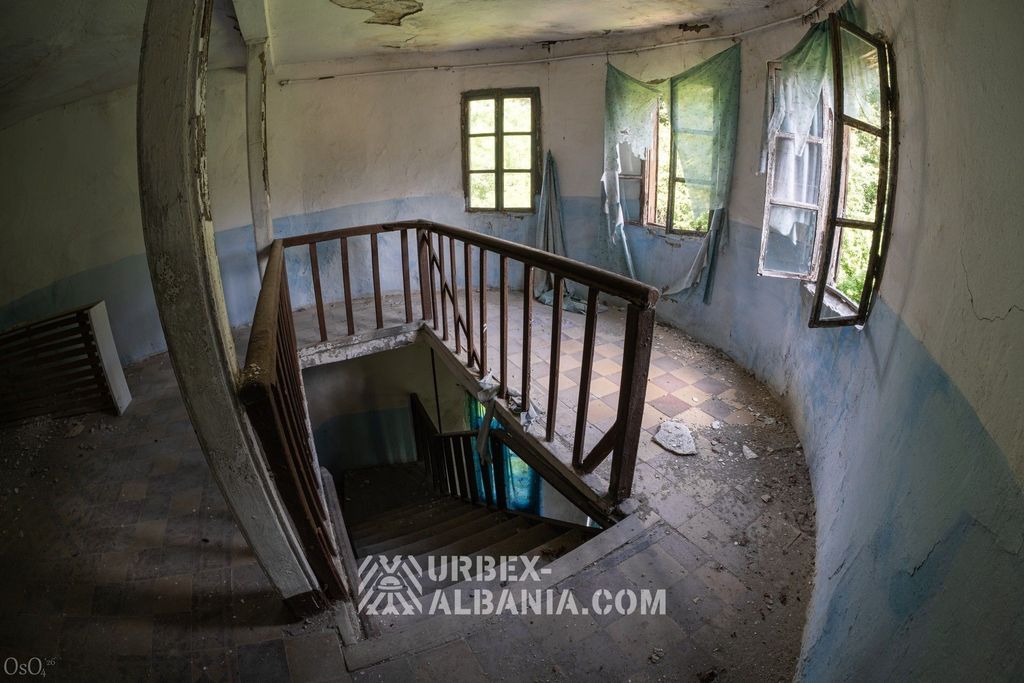
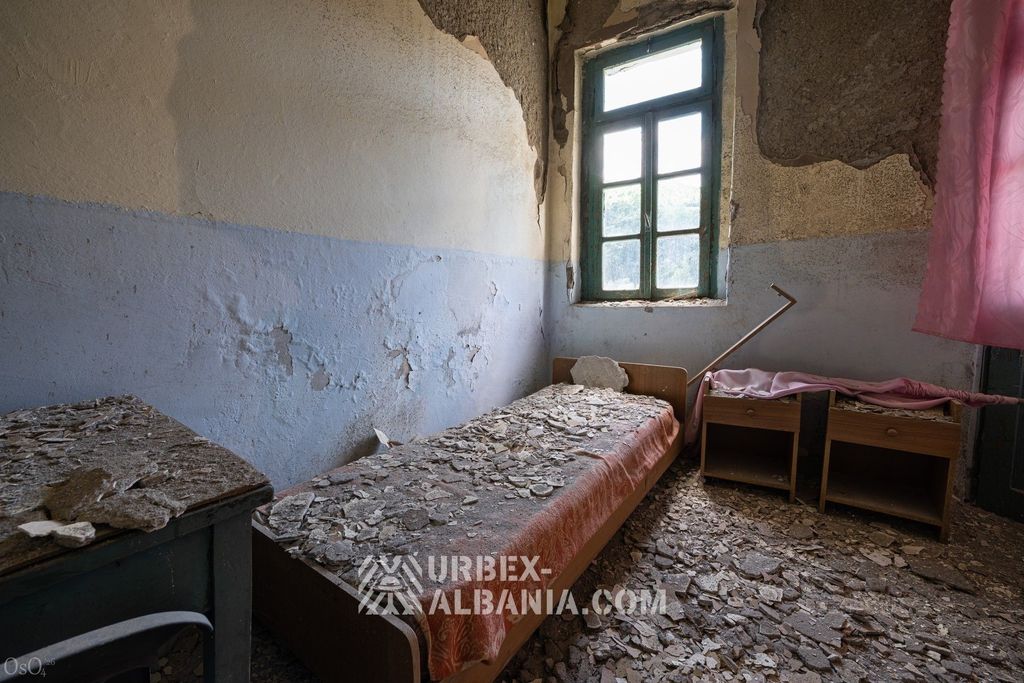
37. Torn curtains.
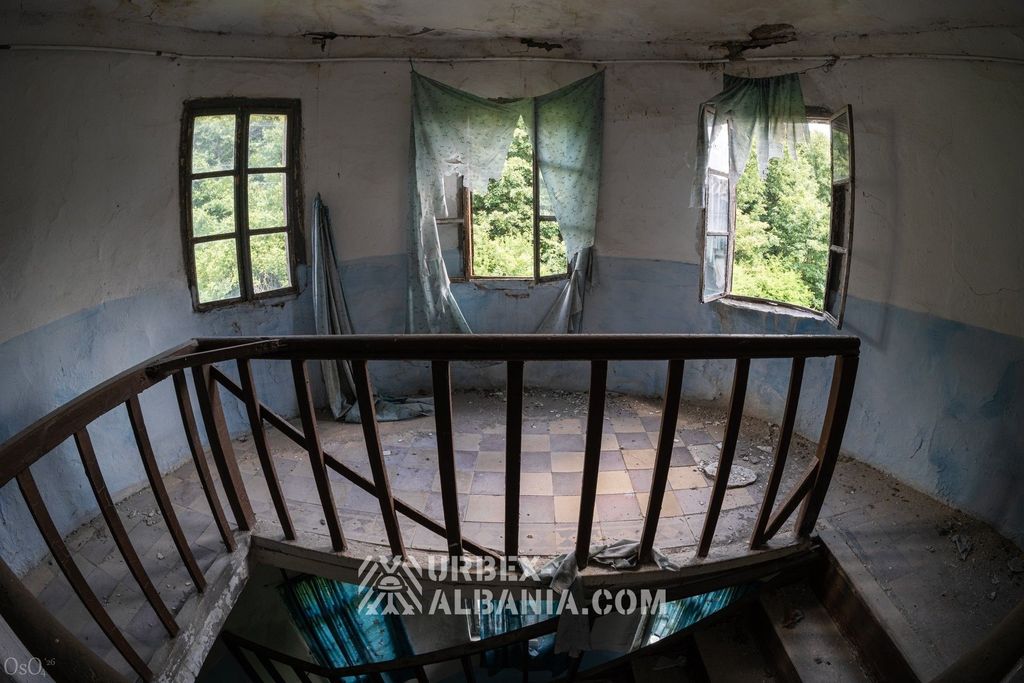
38. On the top floor the rooms have gone as far as decay can take them.
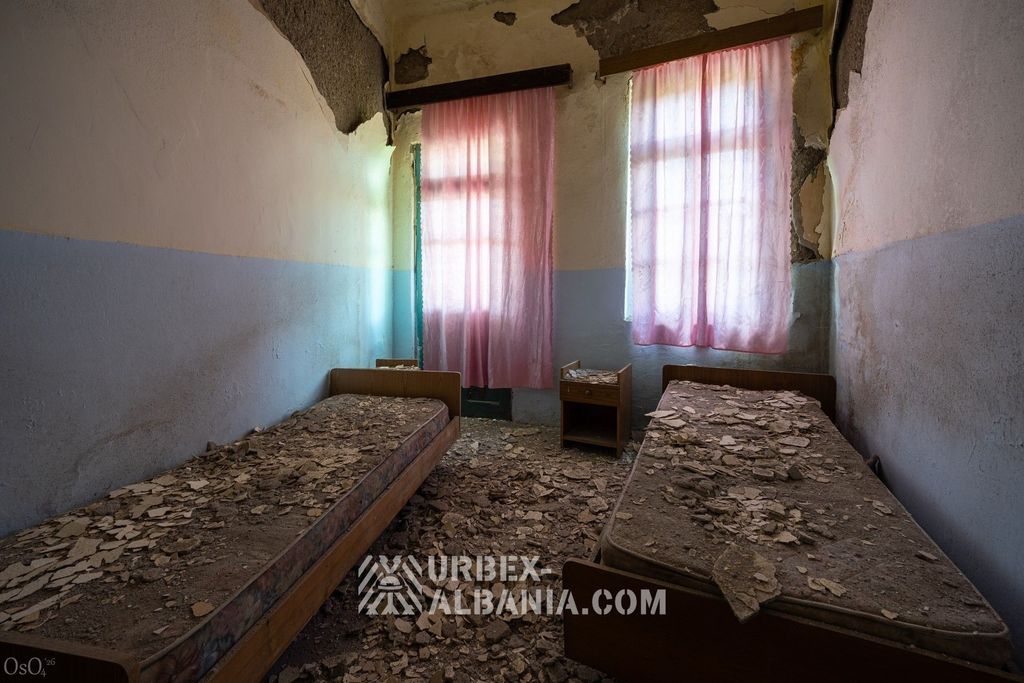
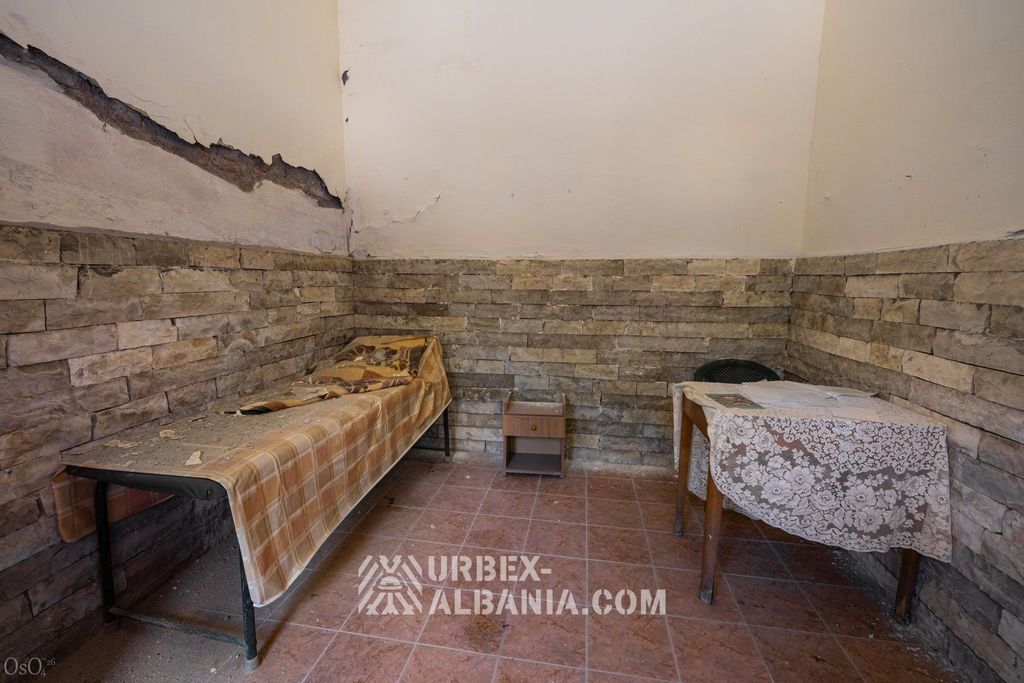
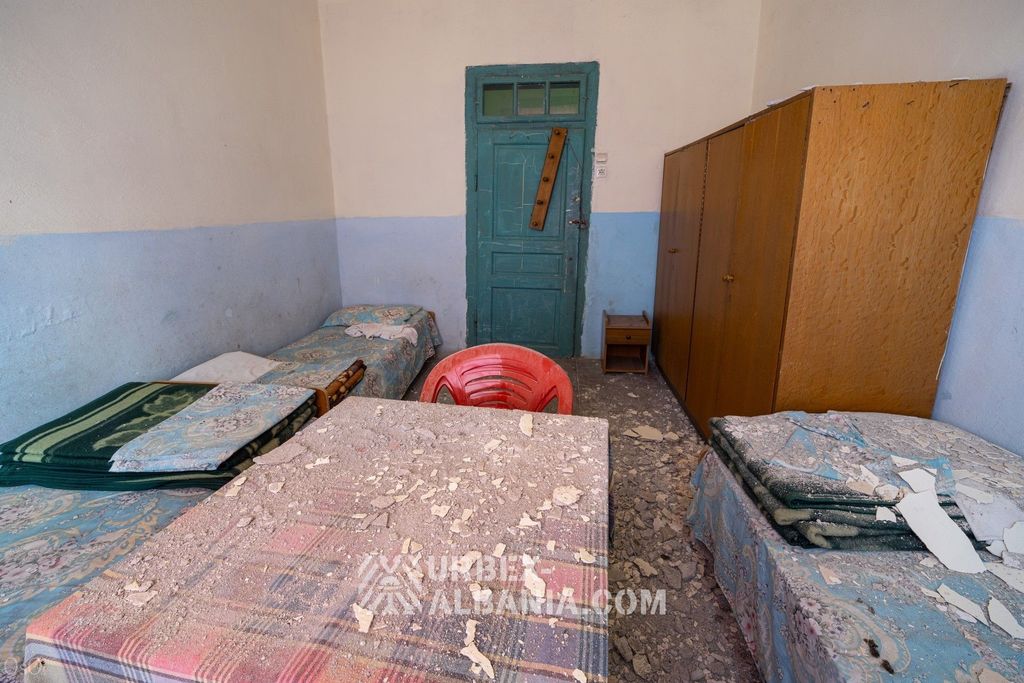
39. A double bed of dubious quality, made up of two singles.
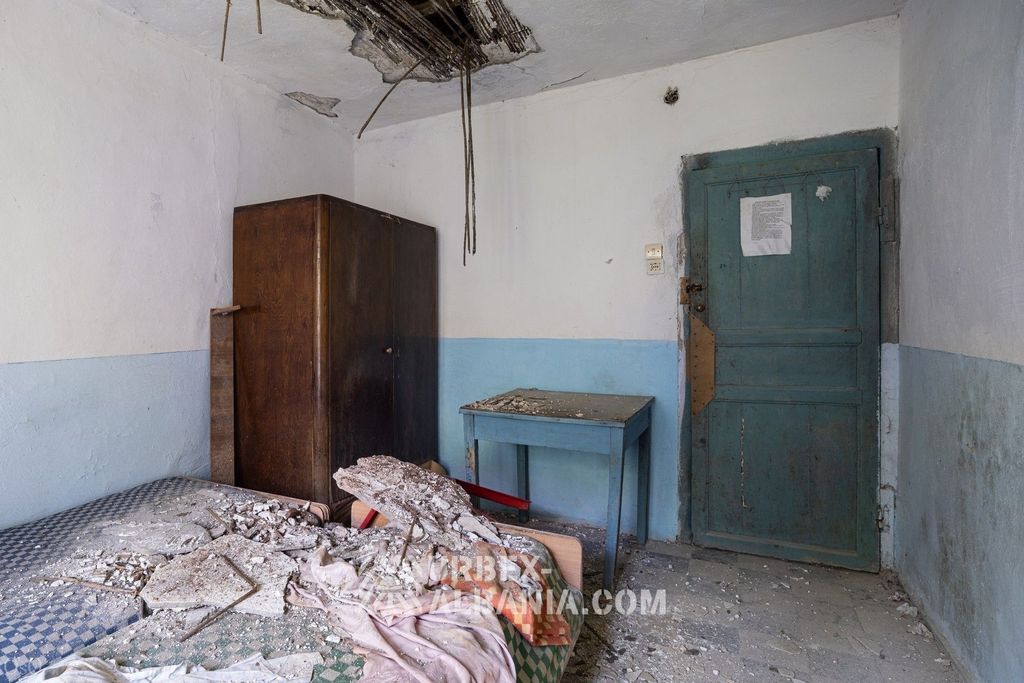
40. We crunch across the plaster.
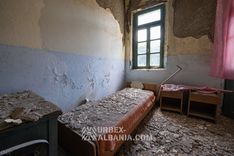
41. The blankets have lain like this since the day it closed.
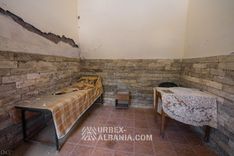
42. The single rooms look more like a prison cell.
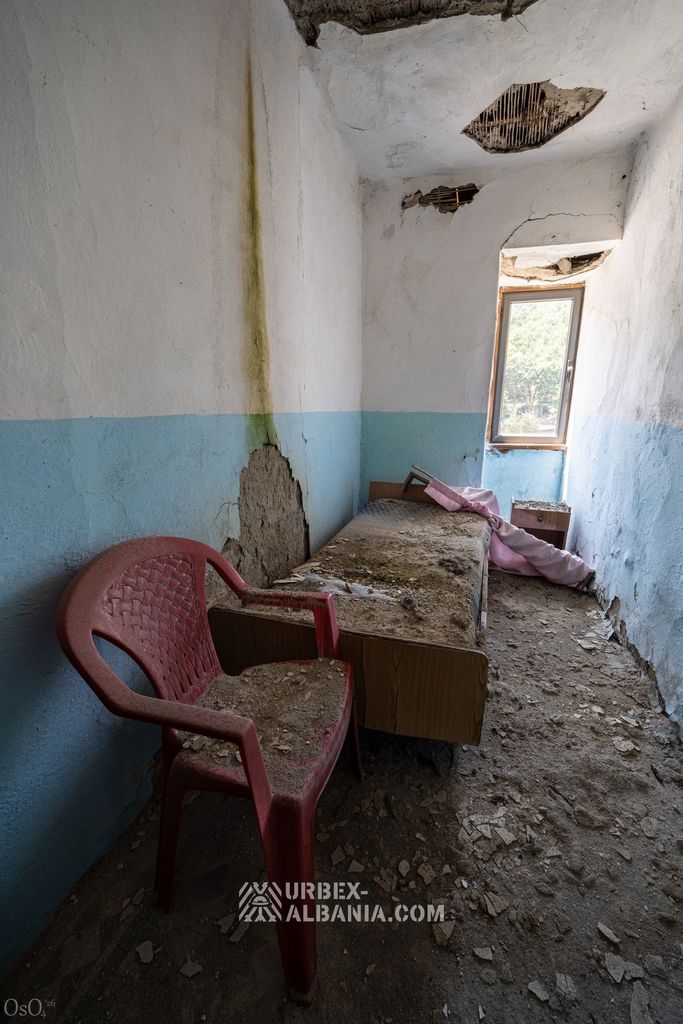
43. Living here must have been very sad.
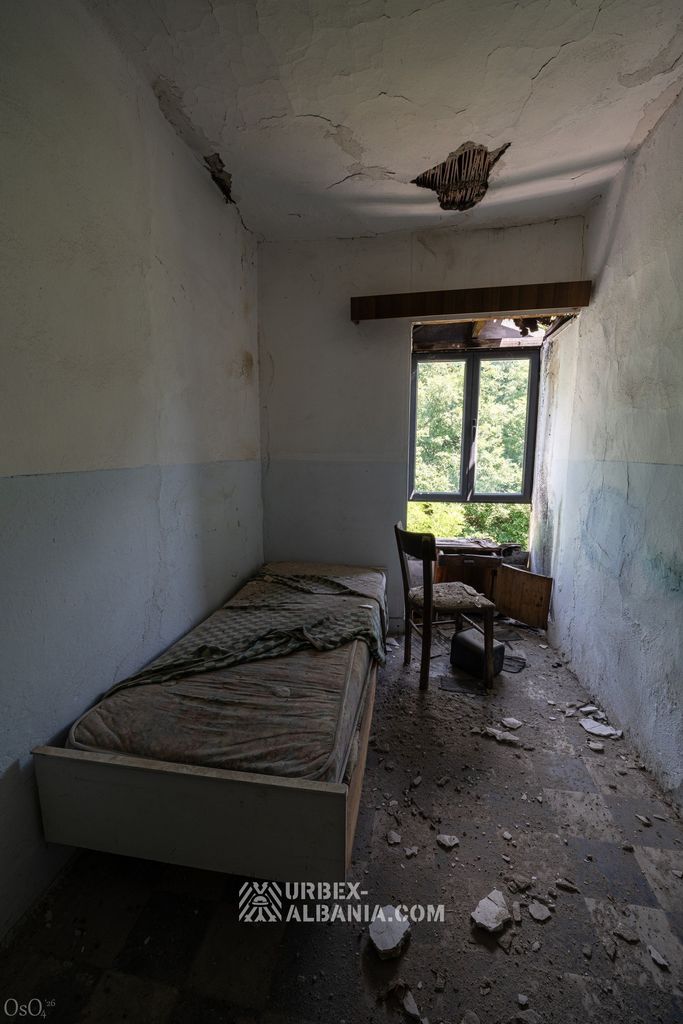
44. You can step out onto the balcony of one of the rooms.
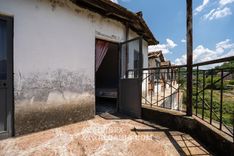
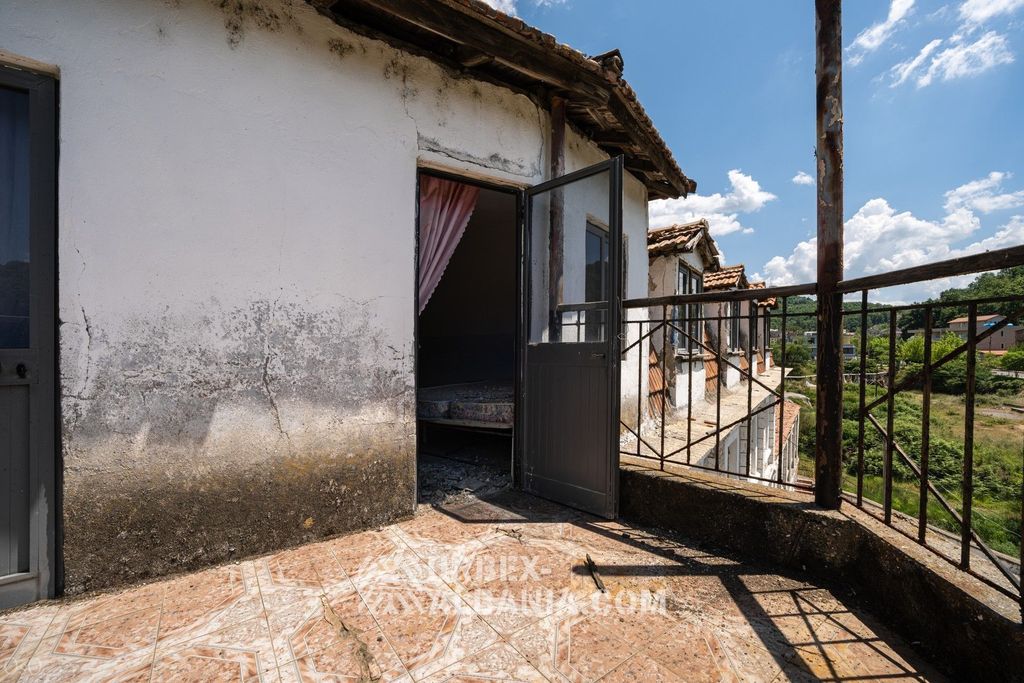
45. The balcony used to carry a little turret roof, but for some reason it was gone already under the communists.
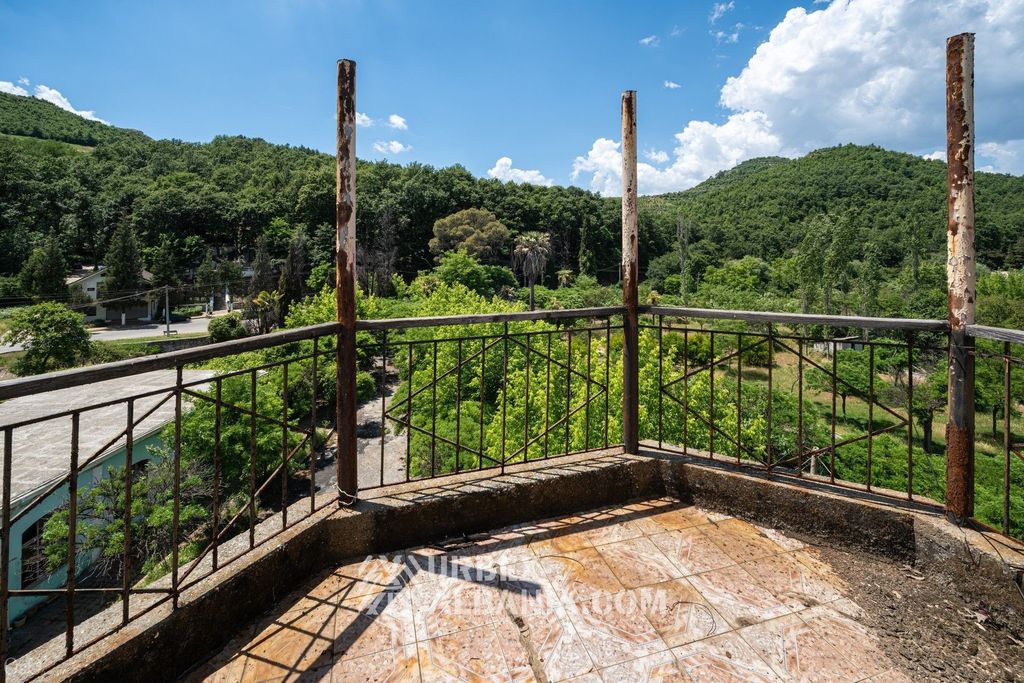
46. A look along the façade.
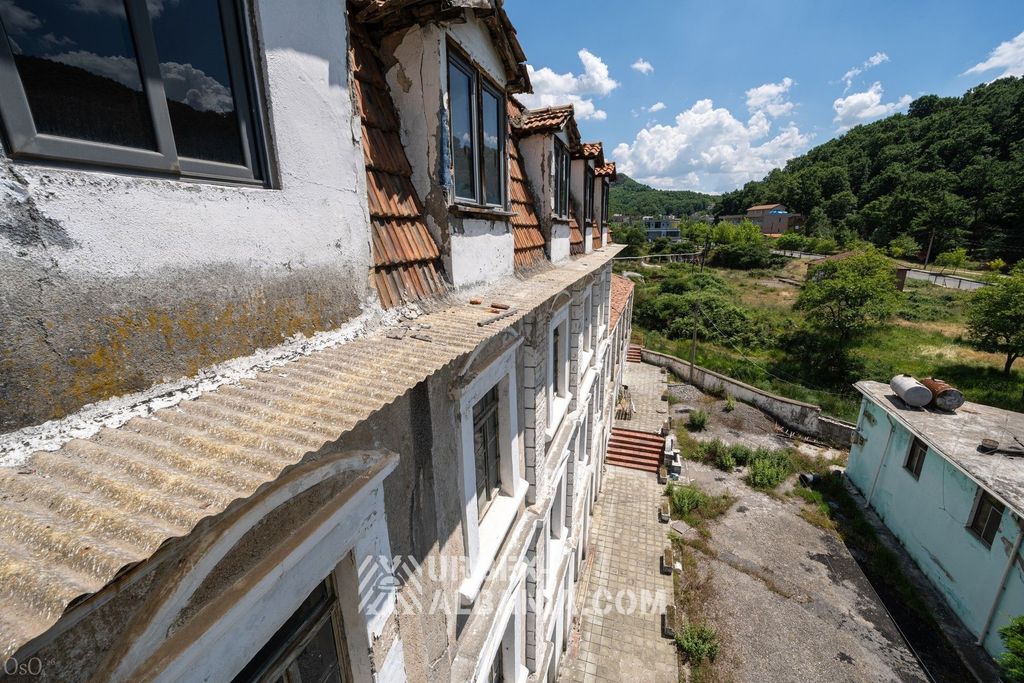
47. Let’s head outside and walk the grounds.
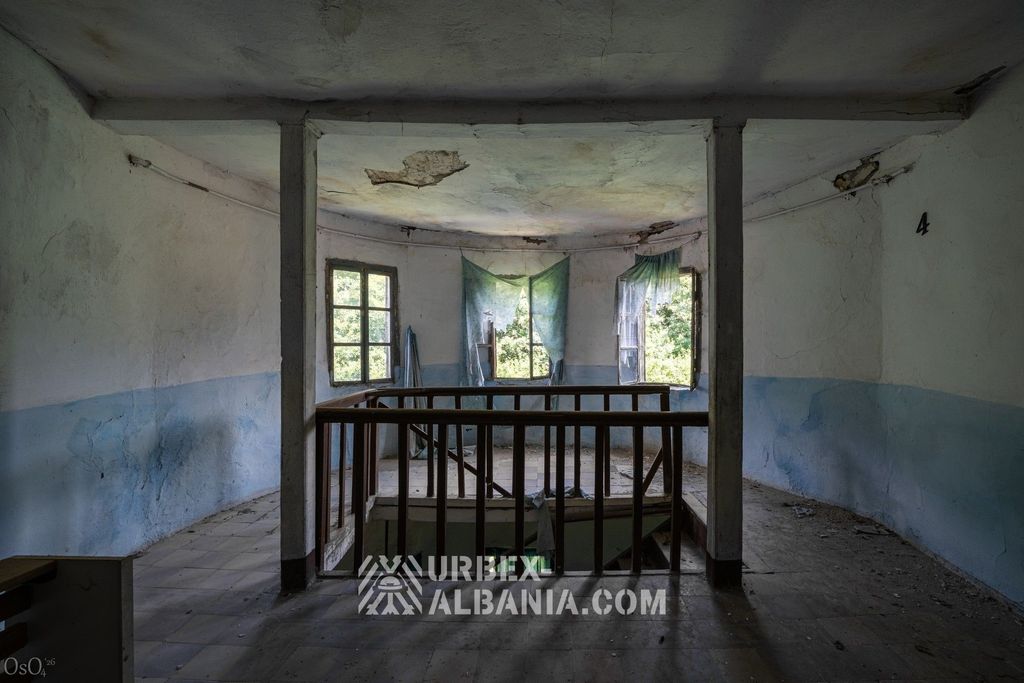
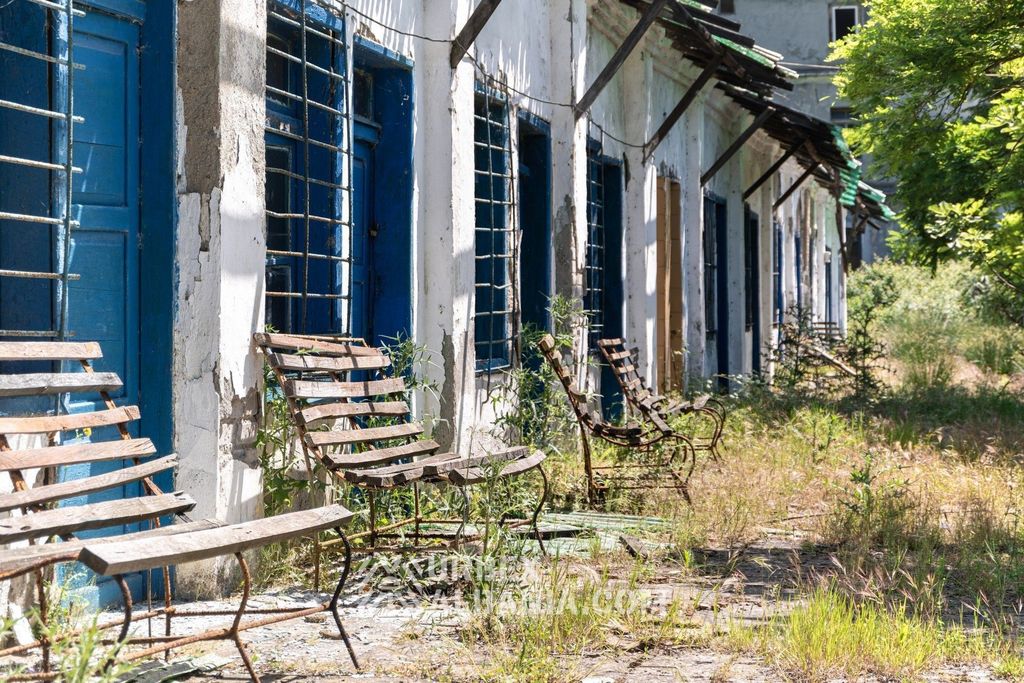
48. An excellent staircase.
The grounds
49. The rear side of the building.
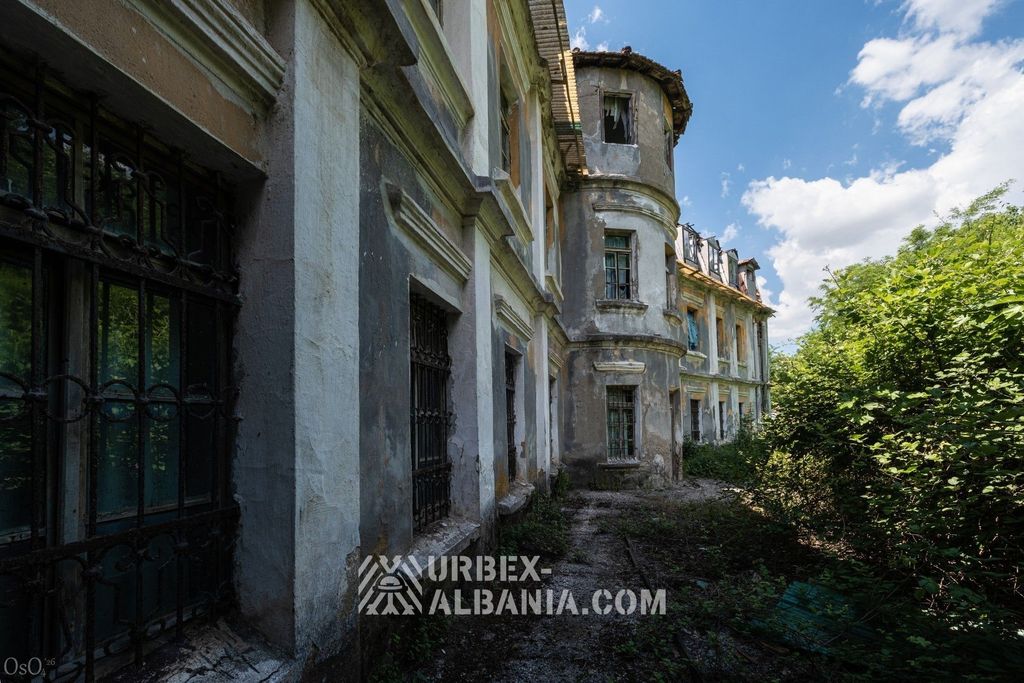
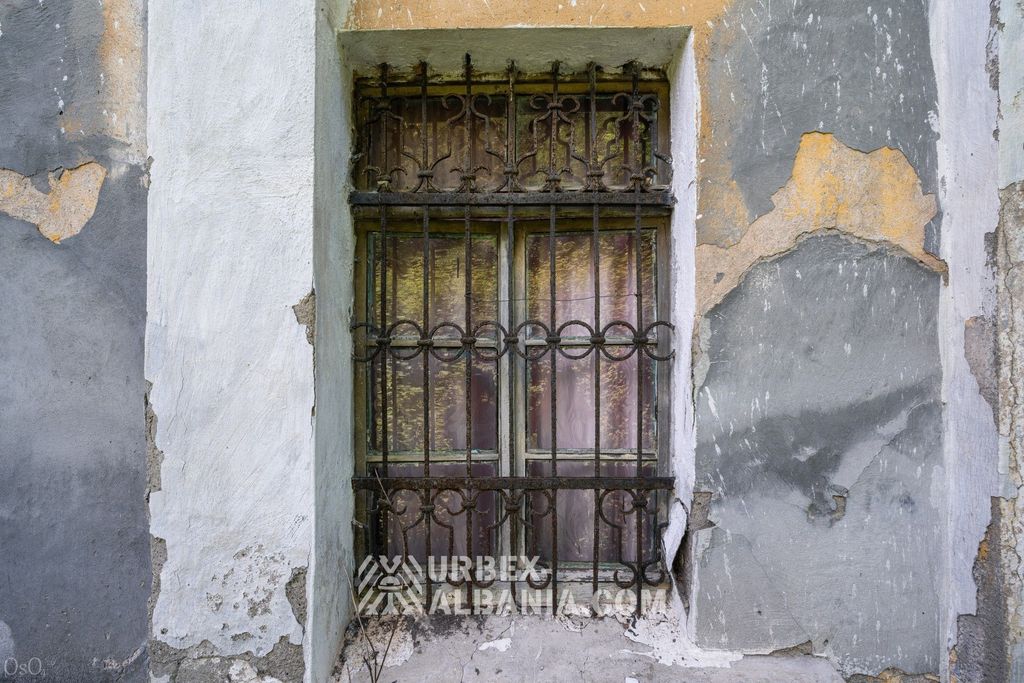
50. A window with an antique grille.
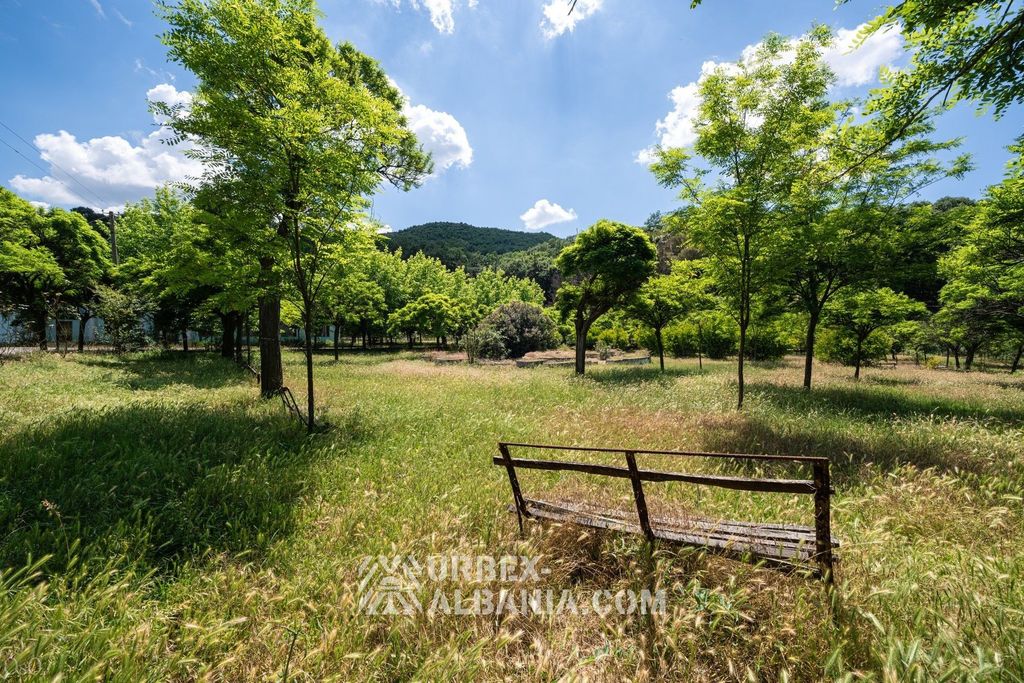
51. A utility barrack converted into guest rooms.
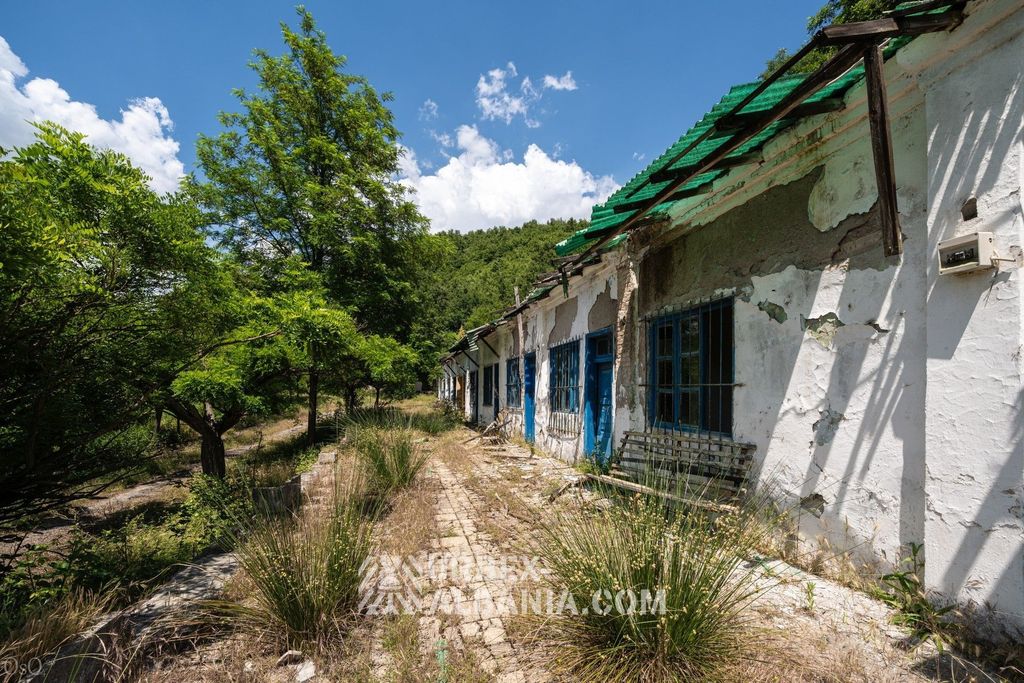
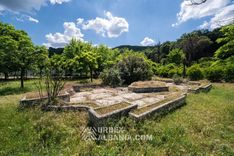
52. A bench in front of every room.
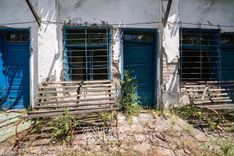
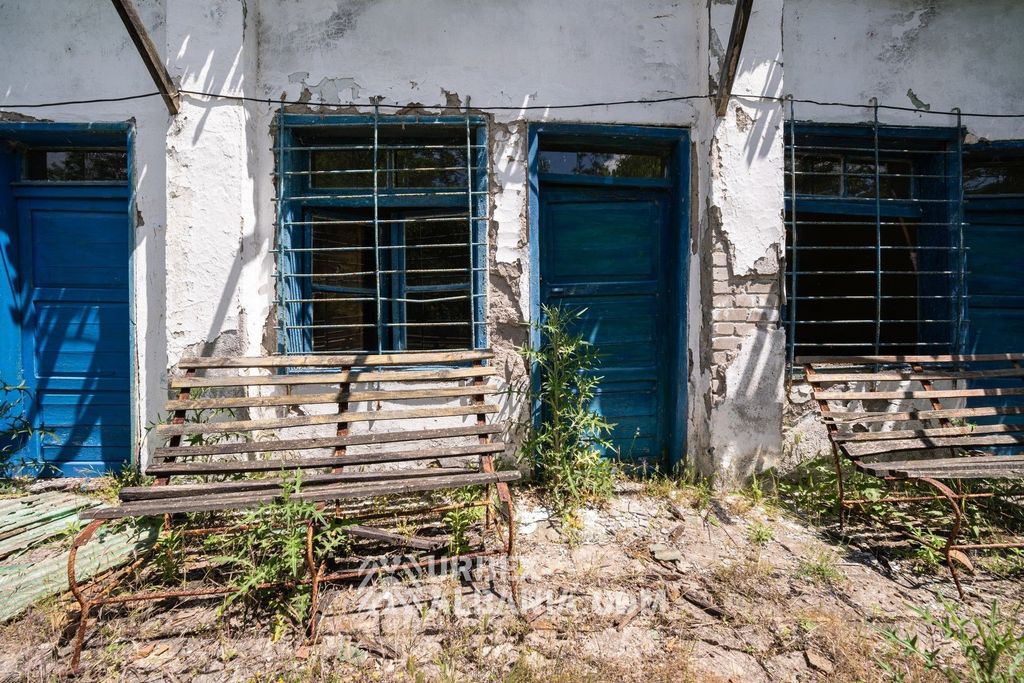
53. From the other side.
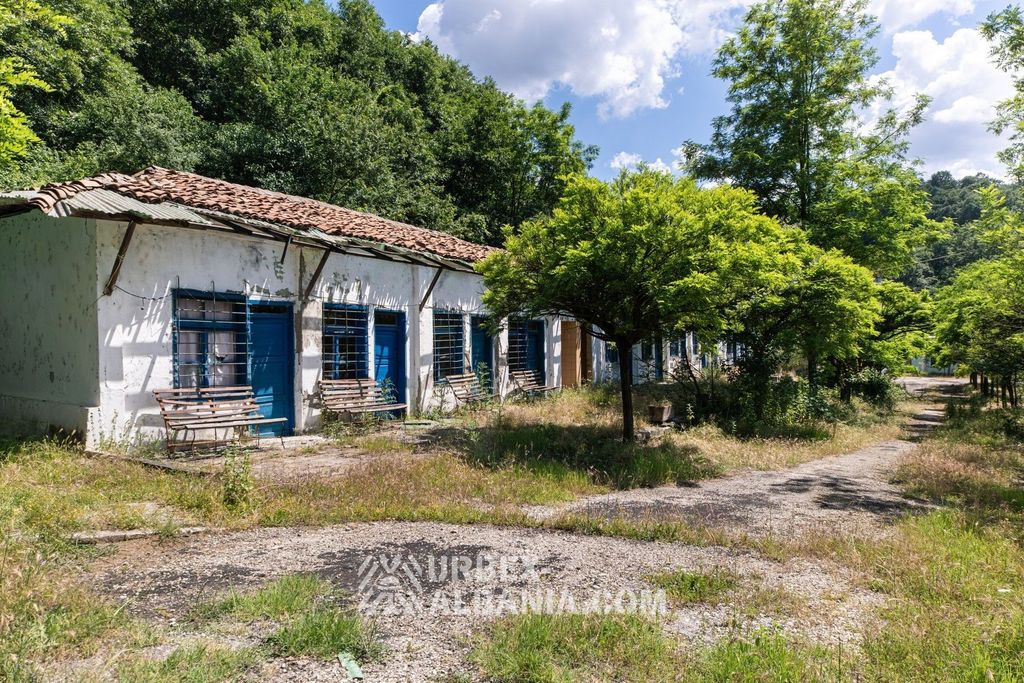
54. The view along the barrack.
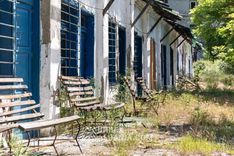
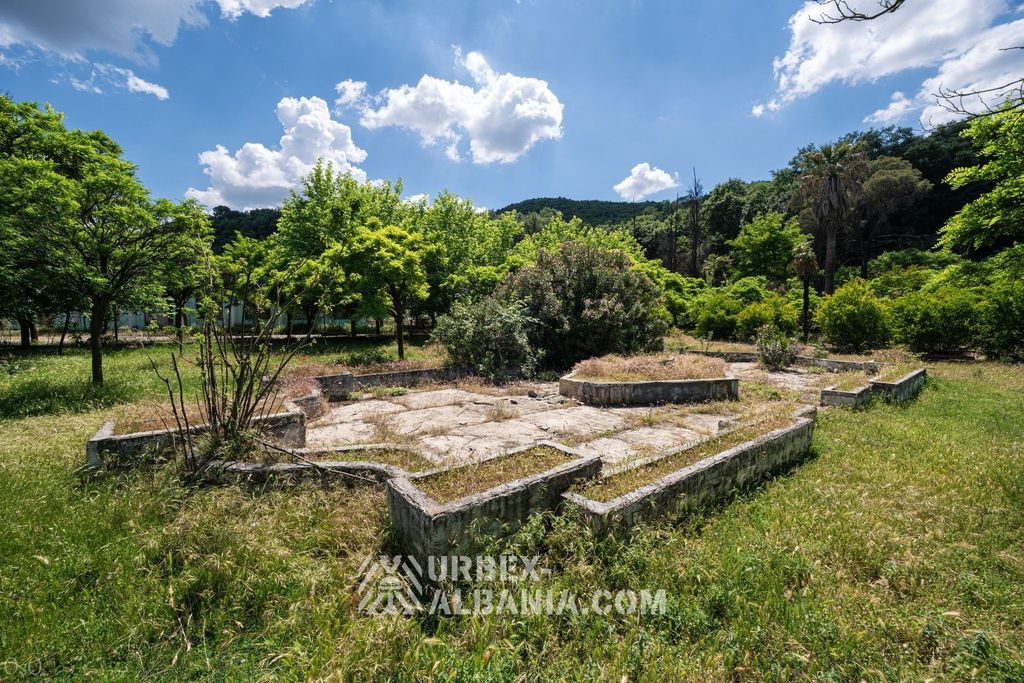
55. A cosy park with trees, benches and a fountain is laid out around the buildings. Because the grounds are abandoned, nothing holds the plants back — and so the benches are drowning in grass.
56. The fountain.
57. Let’s take a look at the façade.
Time to wrap up our visit to the abandoned sanatorium.
Until next time!